



 Chat with AI
Exam 25: Bacteria, Archaea, and Viruses

Exam 1: Studying Life246 Questions
Exam 2: Small Molecules and the Chemistry of Life246 Questions
Exam 3: Proteins, Carbohydrates, and Lipids246 Questions
Exam 4: Nucleic Acids and the Origin of Life246 Questions
Exam 5: Cells: the Working Units of Life248 Questions
Exam 6: Cell Membranes246 Questions
Exam 7: Cell Communication and Multicellularity246 Questions
Exam 8: Energy, Enzymes, and Metabolism246 Questions
Exam 9: Pathways That Harvest Chemical Energy246 Questions
Exam 10: Photosynthesis: Energy From Sunlight242 Questions
Exam 11: The Cell Cycle and Cell Division260 Questions
Exam 12: Inheritance, Genes, and Chromosomes250 Questions
Exam 13: Dna and Its Role in Heredity257 Questions
Exam 14: From Dna to Protein: Gene Expression252 Questions
Exam 15: Gene Mutation and Molecular Medicine251 Questions
Exam 16: Regulation of Gene Expression245 Questions
Exam 17: Genomes249 Questions
Exam 18: Recombinant Dna and Biotechnology243 Questions
Exam 20: Mechanisms of Evolution243 Questions
Exam 21: Reconstructing and Using Phylogenies246 Questions
Exam 22: Speciation247 Questions
Exam 23: Evolution of Genes and Genomes252 Questions
Exam 24: The History of Life on Earth246 Questions
Exam 25: Bacteria, Archaea, and Viruses262 Questions
Exam 26: The Origin and Diversification of Eukaryotes252 Questions
Exam 27: Plants Without Seeds: From Water to Land251 Questions
Exam 28: The Evolution of Seed Plants259 Questions
Exam 29: The Evolution and Diversity of Fungi261 Questions
Exam 30: Animal Origins and the Evolution of Body Plans248 Questions
Exam 31: Protostome Animals244 Questions
Exam 32: Deuterostome Animals246 Questions
Exam 33: The Plant Body243 Questions
Exam 34: Transport in Plants248 Questions
Exam 35: Plant Nutrition247 Questions
Exam 36: Regulation of Plant Growth246 Questions
Exam 37: Reproduction in Flowering Plants247 Questions
Exam 38: Plant Responses to Environmental Challenges246 Questions
Exam 39: Physiology, Homeostasis, and Temperature Regulation258 Questions
Exam 40: Animal Hormones249 Questions
Exam 41: Immunology: Animal Defense Systems265 Questions
Exam 42: Animal Reproduction261 Questions
Exam 43: Animal Development261 Questions
Exam 44: Neurons, Glia, and Nervous Systems250 Questions
Exam 45: Sensory Systems249 Questions
Exam 46: The Mammalian Nervous System: Structure and Higher Functions254 Questions
Exam 47: Musculoskeletal Systems259 Questions
Exam 48: Gas Exchange247 Questions
Exam 49: Circulatory Systems252 Questions
Exam 50: Nutrition, Digestion, and Absorption259 Questions
Exam 51: Salt and Water Balance and Nitrogen Excretion251 Questions
Exam 52: Animal Behavior249 Questions
Exam 53: The Physical Environment and Biogeography of Life248 Questions
Exam 54: Populations259 Questions
Exam 55: Species Interactions254 Questions
Exam 56: Communities247 Questions
Exam 57: Ecosystems238 Questions
Exam 58: A Changing Biosphere222 Questions
Select questions type


Which of the following types of prokaryotes are most adversely affected by oxygen?
(Multiple Choice)
4.8/5  (89)
(89) Refer to the figure, which shows the phylogenetic tree of major groups of living organisms. 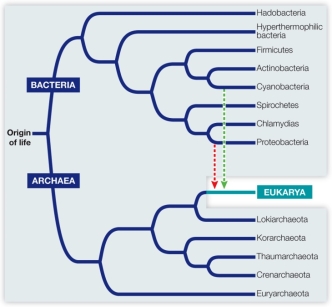 Based on the figure, which statement about the evolutionary history of life is false?
 (Multiple Choice)
4.9/5 (93)
(93) Before biologists had the ability to decipher nucleotide sequences, prokaryotes were characterized according to several characteristics.Which of the following was not one of these characteristics?
(Multiple Choice)
4.9/5 (77)
(77) _______ have a branched system of filaments and can superficially resemble fungi.
(Short Answer)
4.8/5 (70)
(70) Refer to the figure. 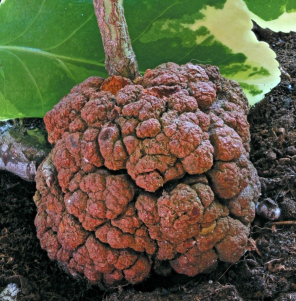 Crown gall disease is caused by Agrobacterium tumefaciens.This organism belongs to the group of bacteria known as
 (Multiple Choice)
4.8/5 (70)
(70) Refer to the figure. 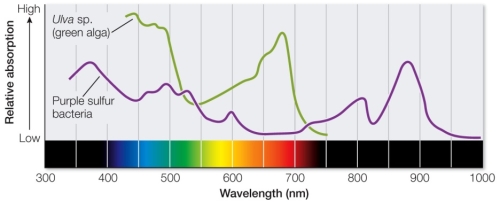 Based on the spectroscopy data shown, which conclusion concerning light absorption by the different chlorophyll types found in purple sulfur bacteria and green algae is false?
 (Multiple Choice)
4.8/5 (81)
(81) Match the name of the bacteria from the list below with the description that follows.
(Multiple Choice)
4.9/5 (75)
(75) Why aren't viruses placed on the tree of life for classification, as most other organisms are?
(Essay)
4.7/5 (93)
(93) You have learned that bioluminescence in Vibrio is a density-dependent phenomenon that depends on the presence of a signal molecule, its receptor, and luciferase.Design an experiment or application that takes advantage of this quorum-sensing communication system.
(Essay)
4.8/5 (85)
(85) One popular hypothesis for the origin of viruses is that they evolved
(Multiple Choice)
4.7/5 (69)
(69) Which statement about prokaryotes that use chlorophyll a as their photosynthetic pigment is true?
(Multiple Choice)
4.9/5 (83)
(83) _______ are viruses that infect bacteria and have been used in medicine to fight bacterial infections
(Short Answer)
4.7/5 (88)
(88) Retroviruses insert their genomes into those of their hosts.Which statement best describes a scenario that relates to this characteristic?
(Multiple Choice)
4.9/5 (66)
(66) Several human bacterial diseases, including tetanus, cholera, and bubonic plague, are induced by soluble proteins called _______ that are released by the living bacteria as they multiply.
(Short Answer)
4.8/5 (74)
(74) Why is reverse transcriptase essential for a retrovirus to successfully infect a host?
(Multiple Choice)
4.9/5 (66)
(66) Some normally aerobic bacteria, which include species of the genera Bacillus and Pseudomonas, use nitrate (NO3-) as an electron acceptor in place of oxygen if they are kept under anaerobic conditions.Which of the following statements concerning these ecologically important bacteria is false?
(Multiple Choice)
4.8/5 (83)
(83) 
Filters
- Essay(0)
- Multiple Choice(0)
- Short Answer(0)
- True False(0)
- Matching(0)