



 Chat with AI
Exam 40: Cancer: Cell Division Out of Control

Exam 1: The Nature of Science and the Characteristics of Life75 Questions
Exam 2: Organizing the Diversity of Life75 Questions
Exam 3: Major Groups of Living Organisms74 Questions
Exam 4: Chemical Building Blocks77 Questions
Exam 5: Cell Structure and Internal Compartments76 Questions
Exam 6: Cell Membranes, Transport, and Communication73 Questions
Exam 7: Energy and Enzymes68 Questions
Exam 8: Photosynthesis and Cellular Respiration70 Questions
Exam 9: Cell Division77 Questions
Exam 10: Patterns of Inheritance65 Questions
Exam 11: Chromosomes and Human Genetics70 Questions
Exam 12: DNA62 Questions
Exam 13: From Gene to Protein73 Questions
Exam 14: Control of Gene Expression66 Questions
Exam 15: DNA Technology64 Questions
Exam 16: How Evolution Works65 Questions
Exam 17: Evolution of Populations64 Questions
Exam 18: Adaptation and Speciation66 Questions
Exam 19: The Evolutionary History of Life69 Questions
Exam 20: Maintaining the Internal Environment66 Questions
Exam 21: Animal Nutrition and Digestion68 Questions
Exam 22: Gas Exchange68 Questions
Exam 23: The Circulatory System68 Questions
Exam 24: Animal Hormones69 Questions
Exam 25: The Nervous System69 Questions
Exam 26: Sensing the Environment66 Questions
Exam 27: Skeletons, Muscles, and Movement65 Questions
Exam 28: Defenses against Disease67 Questions
Exam 29: Reproduction and Development68 Questions
Exam 30: Animal Behavior61 Questions
Exam 31: Plant Structure, Nutrition, and Transport63 Questions
Exam 32: Plant Growth and Reproduction67 Questions
Exam 33: The Biosphere67 Questions
Exam 34: Growth of Populations65 Questions
Exam 35: Interactions among Organisms70 Questions
Exam 36: Communities of Organisms65 Questions
Exam 37: Ecosystems68 Questions
Exam 38: Global Change65 Questions
Exam 39: Biodiversity and People72 Questions
Exam 40: Cancer: Cell Division Out of Control69 Questions
Exam 41: Harnessing the Human Genome62 Questions
Exam 42: Humans and Evolution60 Questions
Exam 43: Smoking--Beyond Lung Cancer63 Questions
Exam 44: Feeding a Hungry Planet55 Questions
Exam 45: Building a Sustainable Society47 Questions
Select questions type


A mutated version of a virus that cannot disable the p53 gene can be used to
(Multiple Choice)
4.7/5  (80)
(80) A virus can insert its genes into the DNA of the host cell, thus ensuring that all daughter cells receive a copy of the viral genes.
(True/False)
5.0/5 (76)
(76) For cancer to form in the presence of a tumor suppressor gene, which of the following is necessary?
(Multiple Choice)
4.9/5 (69)
(69) _______ cancers spread throughout the body, with life-threatening consequences.
(Short Answer)
4.7/5 (89)
(89) This diagram shows the two states in which the Rb protein is found in the cell. 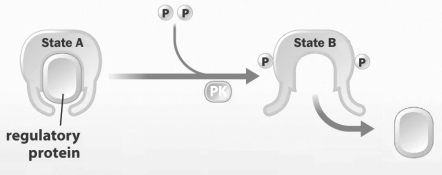 In which state would you find the Rb protein in a cell that needs to undergo rapid cell division?
 (Multiple Choice)
4.7/5 (72)
(72) A pesticide was found to cause cancer in laboratory mice. Which of the following would be the most reasonable hypothesis to pursue?
(Multiple Choice)
5.0/5 (90)
(90) In order to be healthy, an organism must stop all cell division activities.
(True/False)
4.9/5 (91)
(91) 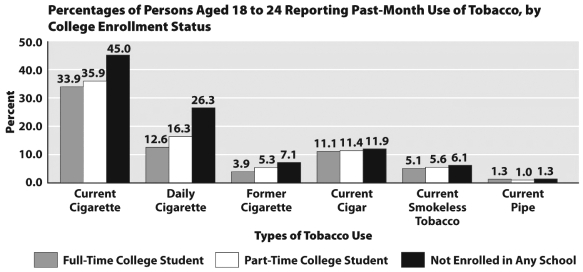 This graph shows that
The p53 protein is critical to the regulation of the cell cycle because it
(Multiple Choice)
4.8/5 (85)
(85) Cancer-causing chemicals increase the risk of cancer by promoting _______ in the DNA, causing changes in the DNA base sequences.
(Short Answer)
4.9/5 (83)
(83) An overactive viral protein _______ can turn on signal cascades in a host, thus leading to cancer.
(Short Answer)
4.9/5 (92)
(92) Peyton Rous's experiments with chicken tumors led to the discovery that
(Multiple Choice)
4.7/5 (82)
(82) 
Filters
- Essay(0)
- Multiple Choice(0)
- Short Answer(0)
- True False(0)
- Matching(0)