



 Chat with AI
Exam 1: Behavioral Sciences

Exam 1: Behavioral Sciences343 Questions
Exam 2: Biochemistry307 Questions
Exam 3: Biology319 Questions
Exam 4: Critical Analysis & Reasoning Skills358 Questions
Exam 5: General Chemistry317 Questions
Exam 6: Organic Chemistry191 Questions
Exam 7: Physics200 Questions
Select questions type


Passage
Both institutional and interpersonal factors contribute to persistent disparities in health outcomes for minorities in the U.S. In Study 1, researchers sought to categorize the major factors contributing to the disparity by surveying 2,000 African American and 3,000 Hispanic residents in a major metropolitan city. Of those surveyed, 64% met federal guidelines for living at or below the poverty threshold even though 90% of those surveyed were employed. When asked, "What prevents you from going to the doctor?" the most common responses were financial considerations (92%), inability to get time off from work for appointments (85%), lack of transportation (52%), difficulty communicating with the health care provider (51%), and fear/distrust of the health care system (48%).Interpersonally, patients tend to fare better when their physician is of their same racial or ethnic background. Study 2 observed all Hispanic patients (n = 110) who visited a clinic in an urban lower-income community over one week. Patients met with either a Hispanic physician (n = 43) or a white, non-Hispanic physician (n = 67). The Hispanic physician saw the patients who visited the clinic on Monday or Tuesday, and the white, non-Hispanic physician saw the patients who visited the clinic on Wednesday, Thursday, or Friday. Both physicians were men who spoke Spanish fluently, had been working at the clinic for 8-10 years, and were unaware of the study's purpose beforehand. This study collected data on the duration of the face-to-face appointment time with the physician, medication adherence one month after the appointment, and the number of symptoms disclosed to the physician by the patient. Ninety-eight of the patients were already on medication or were prescribed new medication at the time of their appointment, and patients were contacted one month later for assessment of adherence. The results of this study are shown in Figure 1.
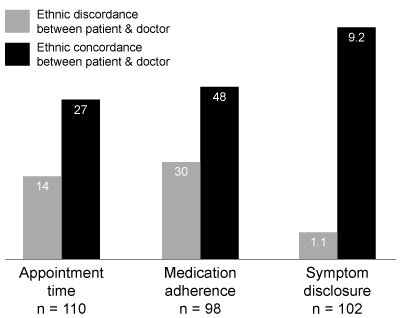 Figure 1 Average appointment time (minutes), medication adherence (percent), and number of symptoms disclosed according to patient-physician ethnic discordance vs. concordance
Adapted from W. Yost, (C)2007 Academic Press.
-Benzodiazepines, often used to treat anxiety, can have adverse and harmful effects when taken for an extended period. Suppose the Hispanic physician in Study 2 has a patient who asks for a refill of her benzodiazepine prescription. He wants to help his patient with her anxiety, but he is also concerned about the extended use of this drug. This scenario best illustrates:
Figure 1 Average appointment time (minutes), medication adherence (percent), and number of symptoms disclosed according to patient-physician ethnic discordance vs. concordance
Adapted from W. Yost, (C)2007 Academic Press.
-Benzodiazepines, often used to treat anxiety, can have adverse and harmful effects when taken for an extended period. Suppose the Hispanic physician in Study 2 has a patient who asks for a refill of her benzodiazepine prescription. He wants to help his patient with her anxiety, but he is also concerned about the extended use of this drug. This scenario best illustrates: (Multiple Choice)
4.9/5  (69)
(69) Passage
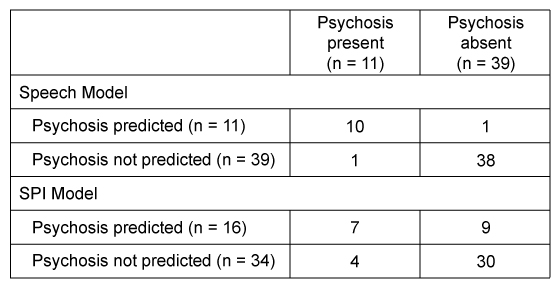
Psychotic disorders are characterized by a loss of contact with reality. The most common psychotic disorder is schizophrenia, which has a typical onset of psychotic symptoms in early adulthood. Schizophrenia displays considerable inter-individual variation throughout the course of the disorder; many factors appear to influence its progression. Comorbid (co-occurring) conditions, common in schizophrenia, may lead to poorer prognoses. For example, research suggests that fewer depressive symptoms are moderately associated with higher rates of medication compliance, whereas more depressive symptoms are associated with increased future relapses. The early detection of psychosis also appears to have a significant impact on long-term outcomes in schizophrenia. A first psychotic episode that goes untreated for a longer period is associated with more future hospitalizations and a diminished response to future therapeutic interventions.Researchers conducted a study to determine which was better at predicting the development of psychosis, a major component of schizophrenia, in high-risk young adults: the presence of certain speech pattern features or a standard clinical symptom inventory. The participant sample was restricted to 50 younger adults (age 18-30) who either met criteria for prodromal syndrome (preclinical signs of psychosis) or had a first-degree relative with schizophrenia.Every three months for three years, participants were interviewed and given the Symptoms of Psychosis Inventory (SPI), a standardized clinical assessment designed to measure psychosis and related symptoms. The SPI contains two subscales based on the major symptoms of schizophrenia: the Positive Symptom Scale (PSS) and the Negative Symptom Scale (NSS), which are summed to provide a total SPI score. Transcribed interview data were analyzed with software designed to assess the following speech pattern features: semantic coherence (the relatedness of phrases to one another), the number of determiners (eg, "that," "which," "what") used in a phrase (determiner density), and phrase length.Experienced clinicians diagnosed 11 participants with active psychosis by the end of the study. A computer program generated two models that predicted the development of active psychosis based on the data collected. One model based the prediction solely on a combination of the three speech pattern features ("Speech Model") and the other model based the prediction solely on SPI symptoms data ("SPI Model") (Table 1).Table 1 Comparison of Predictive Models
 -Which of the following would support the claim that the SPI is a valid assessment?
 (Multiple Choice)
4.7/5 (77)
(77) Passage
Post-traumatic stress disorder (PTSD) and generalized anxiety disorder (GAD) both involve an exaggerated response to everyday stressors and a heightened state of anxiety or arousal that can impede concentration and daily functioning. Both can be effectively treated with medication, including anxiolytics and antidepressants, and with therapy, the most effective of which is cognitive-behavioral therapy (CBT). Psychologists believe that the unpredictable nature of stressors plays a key role in the development and persistence of both disorders. However, the response to predictable threats is believed to be normal.A study was conducted to investigate how individuals diagnosed with PTSD or GAD respond to predictable and unpredictable threats. Twenty patients with PTSD, 20 patients with GAD, and 50 control participants took part in the study. The groups did not differ significantly with respect to age or gender. The study involved two conditions, each three minutes in duration. During the first (predictable) condition, participants were shown a cue (red box) at random times while gazing through a viewing apparatus. The cue signaled the imminent presentation of various loud noises such as thunder or screaming, meant to induce fear. During the second (unpredictable) condition, the loud noise was presented randomly with no warning.The magnitude of the participants' startle response was measured by an eye blink reflex recorded with electrodes placed under the eyes (measured in microvolts [Table 1]).Table 1 Mean Startle Response in Microvolts by Group and Condition
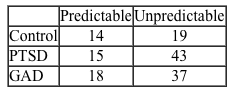 After the study, participants were asked to rate their subjective fear on a scale of 0 (no fear) to 10 (most fear). The controls reported the least fear under both conditions. PTSD participants expressed greater fear than GAD participants during the unpredictable condition, but GAD participants reported greater fear than PTSD participants during the predictable condition.
C. Grillon, D. S. Pine, S. Lissek, S. Rabin, and M. Vythilingam ©2009 by Society of Biological Psychiatry.
-Which of the following best explains how long-term exposure to chronic stress could account for the physiological findings in Table 1?
After the study, participants were asked to rate their subjective fear on a scale of 0 (no fear) to 10 (most fear). The controls reported the least fear under both conditions. PTSD participants expressed greater fear than GAD participants during the unpredictable condition, but GAD participants reported greater fear than PTSD participants during the predictable condition.
C. Grillon, D. S. Pine, S. Lissek, S. Rabin, and M. Vythilingam ©2009 by Society of Biological Psychiatry.
-Which of the following best explains how long-term exposure to chronic stress could account for the physiological findings in Table 1? (Multiple Choice)
4.8/5 (79)
(79) Symptoms of a myocardial infarction can differ between individuals. Women who experienced a myocardial infarction were later interviewed by a researcher about their decision to seek treatment. Many participants noted that they delayed seeking treatment because their symptoms didn't match the "prototypical" heart attack symptoms they had seen in the media. Which concept best explains this phenomenon?
(Multiple Choice)
4.8/5 (66)
(66) Passage
Psychophysiology examines the relationship between the properties of a physical stimulus (eg, amplitude of sound waves) and how we perceive that stimulus (eg, loudness). However, this relationship is often accompanied by a degree of uncertainty as the stimulus of interest, or signal, can be confounded by various sources of noise. Noise can be either external (arising from the environment) or internal (arising from physiological sources).To investigate the effect of distraction on auditory perception, researchers tested the ability of subjects to detect auditory tones presented during a visual-memory task. The study included 90 participants age 18-65, and each participant completed 10 trials. Trials consisted of five 800-Hz tones presented randomly while participants viewed a set of 15 sequential pictures of common objects on a computer screen. The objects fell into one of three categories: animals, vehicles, or things that make noise. Half the participants were asked to memorize as many objects as they could (objects group), and half were asked to remember only the categories of objects they saw (categories group). Tones were presented bilaterally within a range of 0-20 dB. Participants noted when they detected a tone during the trial by pressing a button. Results of the study are shown in Figure 1.
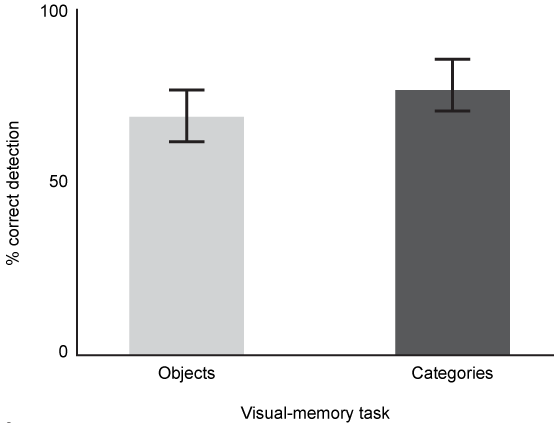 Figure 1 Mean percentage of tones correctly identified in each visual-memory task group (Note: Error bars indicate 95% confidence intervals.)
W. Yost ©2007 Academic Press.
-If the researchers first wanted to determine each subject's absolute threshold for tone detection in the presence of external white noise, which of the following would accurately represent the variables for such an assessment?
Figure 1 Mean percentage of tones correctly identified in each visual-memory task group (Note: Error bars indicate 95% confidence intervals.)
W. Yost ©2007 Academic Press.
-If the researchers first wanted to determine each subject's absolute threshold for tone detection in the presence of external white noise, which of the following would accurately represent the variables for such an assessment? (Multiple Choice)
4.8/5 (81)
(81) Passage
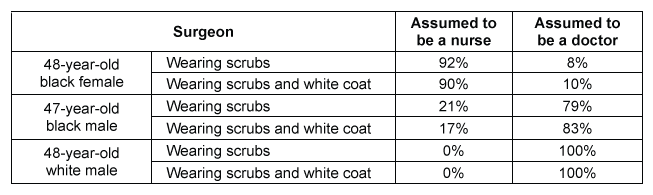
Numerous studies suggest that physicians make both conscious and unconscious assumptions about their patients, and these assumptions often impact patient care and outcomes. However, little research has focused on the assumptions patients make about their physicians.Researchers designed an observational study to investigate assumptions made by patients in health care settings. For this study, three different surgeons were asked to interact with pre-surgery patients whom they had never met using a standardized script. Each surgeon participated in 30 total interactions over the course of two weeks. The purpose of the study was to assess how the patient's assumptions regarding the surgeon's status were impacted by the surgeon's race, gender, and attire.According to the script, the surgeon did not introduce him- or herself upon entering the room. All three surgeons were in their late 40s; one surgeon was a black woman, one was a black man, and one was a white man. The surgeons wore either surgical scrubs alone or a white coat over their surgical scrubs. Researchers analyzed how patients addressed or referred to the surgeon to assess assumptions about the surgeon's role as a doctor or a nurse. The results are presented in Table 1.Table 1 Percentage of Patients Who Assumed the Surgeon Was a Doctor or a Nurse
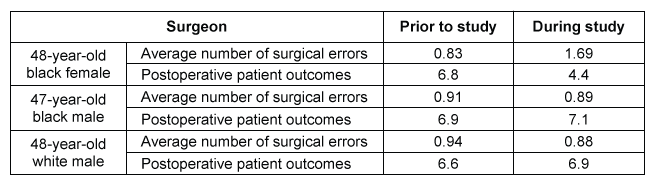
 The researchers also retrospectively analyzed minor (non-life-threatening) surgical errors and postoperative patient outcomes for one month prior to the study and during the study timeframe for each surgeon. The number of minor errors was averaged per surgery, and postoperative patient outcomes were quantified using a multifactor (eg, pain, infection, bleeding, other complications) assessment scale of 1 (worst outcome) to 12 (best outcome).Table 2 Average Number of Minor Surgical Errors (Per Surgery) and Aggregated Postoperative Patient Outcome Scores
 -Based on the concept of the looking-glass self, which of the following unintended study effects is most likely?
The researchers also retrospectively analyzed minor (non-life-threatening) surgical errors and postoperative patient outcomes for one month prior to the study and during the study timeframe for each surgeon. The number of minor errors was averaged per surgery, and postoperative patient outcomes were quantified using a multifactor (eg, pain, infection, bleeding, other complications) assessment scale of 1 (worst outcome) to 12 (best outcome).Table 2 Average Number of Minor Surgical Errors (Per Surgery) and Aggregated Postoperative Patient Outcome Scores
-Based on the concept of the looking-glass self, which of the following unintended study effects is most likely? (Multiple Choice)
4.7/5 (63)
(63) Which of the following statements about race is most consistent with the social constructionist perspective? In society, race is:
(Multiple Choice)
4.8/5 (85)
(85) Which of the following sets of symptoms is most consistent with a diagnosis of generalized anxiety disorder? A 39-year-old man who reports:
(Multiple Choice)
4.8/5 (84)
(84) Passage
Both institutional and interpersonal factors contribute to persistent disparities in health outcomes for minorities in the U.S. In Study 1, researchers sought to categorize the major factors contributing to the disparity by surveying 2,000 African American and 3,000 Hispanic residents in a major metropolitan city. Of those surveyed, 64% met federal guidelines for living at or below the poverty threshold even though 90% of those surveyed were employed. When asked, "What prevents you from going to the doctor?" the most common responses were financial considerations (92%), inability to get time off from work for appointments (85%), lack of transportation (52%), difficulty communicating with the health care provider (51%), and fear/distrust of the health care system (48%).Interpersonally, patients tend to fare better when their physician is of their same racial or ethnic background. Study 2 observed all Hispanic patients (n = 110) who visited a clinic in an urban lower-income community over one week. Patients met with either a Hispanic physician (n = 43) or a white, non-Hispanic physician (n = 67). The Hispanic physician saw the patients who visited the clinic on Monday or Tuesday, and the white, non-Hispanic physician saw the patients who visited the clinic on Wednesday, Thursday, or Friday. Both physicians were men who spoke Spanish fluently, had been working at the clinic for 8-10 years, and were unaware of the study's purpose beforehand. This study collected data on the duration of the face-to-face appointment time with the physician, medication adherence one month after the appointment, and the number of symptoms disclosed to the physician by the patient. Ninety-eight of the patients were already on medication or were prescribed new medication at the time of their appointment, and patients were contacted one month later for assessment of adherence. The results of this study are shown in Figure 1.
Figure 1 Average appointment time (minutes), medication adherence (percent), and number of symptoms disclosed according to patient-physician ethnic discordance vs. concordance
Adapted from W. Yost, (C)2007 Academic Press.
-Which of the following concepts LEAST helps to explain the results of Study 1?
Figure 1 Average appointment time (minutes), medication adherence (percent), and number of symptoms disclosed according to patient-physician ethnic discordance vs. concordance
Adapted from W. Yost, (C)2007 Academic Press.
-Which of the following concepts LEAST helps to explain the results of Study 1? (Multiple Choice)
4.9/5 (70)
(70) Passage
Physical modifications important for consolidating memory are particularly apparent in the hippocampus, especially a pathway called the Schaffer Collateral, which contains CA1 (cornu Ammonis) neurons that have been implicated in learning and memory. To study learning and memory in live mice, scientists use a stimulating electrode to generate brief electrical pulses on the dendrites of CA1 neurons in the Schaffer Collateral pathway and use a recording electrode to measure the excitatory postsynaptic potentials (EPSPs) in the CA1 postsynaptic neurons.In Study 1, researchers used brief low-frequency stimulations (1-5 stimuli per second) to establish a baseline response in the CA1 postsynaptic neurons. Then, the same dendrites were given a high-frequency stimulation (50-100 stimuli per second), referred to as a tetanus. The researchers discovered that the high-frequency tetanus induced an increase in the response in postsynaptic CA1 neurons that was long-lasting. For the control, the researchers established a baseline in a second set of CA1 neurons in the same region but did not give a high-frequency tetanus (Figure 1).
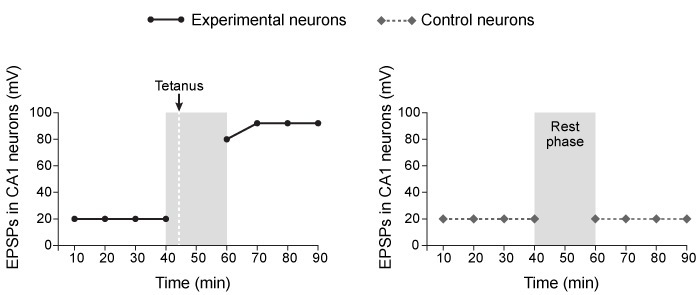 Figure 1 CA1 neuron response after a brief tetanus (experimental) or no tetanus (control)In a second behavioral study, mice were housed in either a standard cage (control) or a cage with an enhanced learning environment, including toys and access to a running wheel (experimental condition). For the first 12 days, both groups of mice received injections of a dye that is incorporated into newly synthesized DNA, thereby providing a biomarker of neurogenesis.Following 30 days in their respective environments, all mice were tested each day for one week in the Morris Water Maze, a test that measures spatial learning and memory consolidation. Results showed that mice in the experimental condition demonstrated greater improvement on Morris Water Maze performance compared to controls. When hippocampi were examined, the results revealed that mice in the experimental condition had a greater number of dye-labeled cells than did the controls.
W. C. Abraham, B. Logan, J. M. Greenwood, and M. Dragunow ©2002 The Society of Neuroscience, and H. van Praag, B. R. Christie, T. J. Sejnowski, and F. H. Gage ©1999 National Academy of Sciences.
-If Study 2 were repeated with a third group of mice with ablated hippocampi (ablation condition), this condition would be most expected to:
Figure 1 CA1 neuron response after a brief tetanus (experimental) or no tetanus (control)In a second behavioral study, mice were housed in either a standard cage (control) or a cage with an enhanced learning environment, including toys and access to a running wheel (experimental condition). For the first 12 days, both groups of mice received injections of a dye that is incorporated into newly synthesized DNA, thereby providing a biomarker of neurogenesis.Following 30 days in their respective environments, all mice were tested each day for one week in the Morris Water Maze, a test that measures spatial learning and memory consolidation. Results showed that mice in the experimental condition demonstrated greater improvement on Morris Water Maze performance compared to controls. When hippocampi were examined, the results revealed that mice in the experimental condition had a greater number of dye-labeled cells than did the controls.
W. C. Abraham, B. Logan, J. M. Greenwood, and M. Dragunow ©2002 The Society of Neuroscience, and H. van Praag, B. R. Christie, T. J. Sejnowski, and F. H. Gage ©1999 National Academy of Sciences.
-If Study 2 were repeated with a third group of mice with ablated hippocampi (ablation condition), this condition would be most expected to: (Multiple Choice)
4.9/5 (78)
(78) Passage
Patients undergoing chemotherapy frequently experience a number of side effects in response to the cytotoxic drugs administered during treatment, including nausea and/or vomiting (N/V), hair loss, fatigue, cognitive dysfunction, anemia, and others. However, there is ample evidence that learning and cognition may play a role in the development of some of these side effects. For example, 20%-30% of patients undergoing chemotherapy continue to experience N/V merely in the setting and presence of chemotherapy equipment even after taking antiemetic medication.Three studies were conducted to better understand the acquisition of a learned, anticipatory nausea (AN) response. Studies 1 and 2 used the classical conditioning principle of overshadowing, in which a powerful stimulus is presented alongside a less salient stimulus during the acquisition phase. This results in a stronger relationship between the salient stimulus and the response, as compared with the less salient stimulus and response.In Study 1, nausea was induced in 50 healthy volunteers through motion sickness in a rotating chair. Subjects were divided into two groups and drank specific beverages prior to the rotation: One group received a different novel-tasting beverage (eg, elderberry, sloe) each day, and the other group drank only water. Nausea-related symptoms were recorded before and after the rotation. Results showed that subjects who drank the novel-tasting beverages reported less AN than those who drank water.Study 2 tested the protocol from Study 1 in cancer patients undergoing chemotherapy. Immediately prior to chemotherapy infusion, one group received a different novel-tasting beverage each day and the other group drank only water. Results again demonstrated that subjects in the group with different novel-tasting beverages experienced less AN than those who drank water.Study 3 researchers investigated whether patients' pretreatment expectations of developing nausea or medication-induced post-chemotherapy nausea (PN) were a better predictor of subsequent AN. Before their first round of chemotherapy (session #1), subjects were surveyed about their degree of certainty of developing nausea. PN was measured after session #1, and then AN was measured before session #3 (Figure 1).
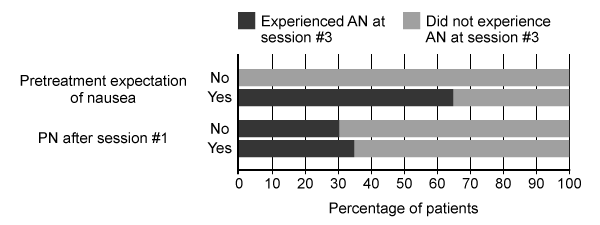 Figure 1 AN before session #3
J. T. Hickok, J. A. Roscoe, and G. R. Morrow ©2001 Elsevier; U. Stockhorst, P. Enck, and S. Klosterhalfen ©2007 Baishideng Publishing Group.
-Based on Figure 1, which conclusion is most likely to be supported?
Figure 1 AN before session #3
J. T. Hickok, J. A. Roscoe, and G. R. Morrow ©2001 Elsevier; U. Stockhorst, P. Enck, and S. Klosterhalfen ©2007 Baishideng Publishing Group.
-Based on Figure 1, which conclusion is most likely to be supported? (Multiple Choice)
4.7/5 (62)
(62) A hospital administrator claims that her hospital operates as a meritocracy in regard to employee hiring and promotion. Which of the following observations would most support this administrator's claim? Employees are:
(Multiple Choice)
4.8/5 (84)
(84) Passage
Language is a skill acquired during early childhood that continues to develop for many years. Communication using language involves multiple complex processes, including listening, speaking, comprehension, and cognition. Receptive language ("language input") involves language comprehension, while expressive language ("language output") involves the ability to produce intelligible language. In normally developing children, receptive language emerges first, followed by expressive language.To examine how age plays a role in the activation of the neurological networks involved in processing more complex language, researchers used functional magnetic resonance imaging (fMRI) to analyze how the use of receptive language generates metabolic activity in the brains of children. A total of 672 participants were divided into three groups by age: Age 4-6 (n = 219), age 7-9 (n = 224), and age 10-12 (n = 229).Participants in each group were asked to listen to pre-recorded stories while undergoing fMRI of the brain to determine if an age-related difference could be found in activated brain tissue volume during the listening task. The recorded fMRI-monitored listening portion of the experiment lasted approximately 5 minutes. Immediately following this listening exercise, fMRI monitoring was discontinued and the children were administered tests to determine comprehension of the material. None of the children had been informed that they would be taking a comprehension test prior to its actual administration.
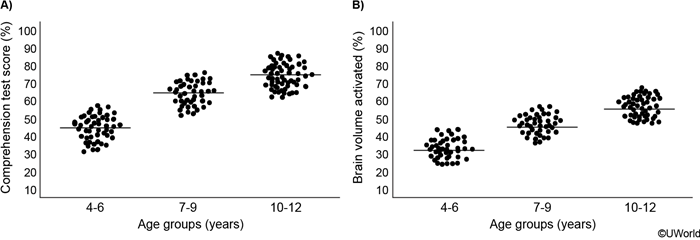 Figure 1 fMRI listening task analyzed per age group: (A) comprehension test scores, and (B) brain volume activated (Note: Solid lines represent the mean in each group.)
M. M. Berl, E. S. Duke, J. Mayo, L. R. Rosenberger, E. N. Moore, J. VanMeter, N. Bernstein Ratner, C. J. Vaidya, and W. D. Gaillard ©2010 by Elsevier, Inc.
-According to Piaget's theory of cognitive development, the children in the group:
Figure 1 fMRI listening task analyzed per age group: (A) comprehension test scores, and (B) brain volume activated (Note: Solid lines represent the mean in each group.)
M. M. Berl, E. S. Duke, J. Mayo, L. R. Rosenberger, E. N. Moore, J. VanMeter, N. Bernstein Ratner, C. J. Vaidya, and W. D. Gaillard ©2010 by Elsevier, Inc.
-According to Piaget's theory of cognitive development, the children in the group: (Multiple Choice)
4.8/5 (71)
(71) Passage
Research suggests that cognitive changes occur with age. Though dementia is common, occurring in about 14% of individuals age 71 and older and in almost 34% of individuals 90 and older, a majority of older adults exhibit some degree of "normal" cognitive decline. The following studies were conducted on 605 older adults (mean age = 78.2) who did not show any signs of dementia and 590 younger adult participants (mean age = 28.8).Cognition studiesParticipants were asked to solve five puzzles designed to test their ability to apply new information, reason inductively and deductively, and use logic. Participants were also asked to complete a 20-item vocabulary and grammar test. The older adults performed significantly worse than the younger adults on the puzzles, but there was no significant difference between the groups on the vocabulary/grammar test.Focus studiesWhen asked to read a short story and then answer a series of questions assessing comprehension (focused condition), older adults performed equally well as the younger adults. However, when asked to read a similar story while wearing headphones playing another story that was to be ignored (distraction condition), older adults performed worse than younger adults when answering questions assessing comprehension of the story they read.Memory studiesWhen asked to memorize 30 neutral items (eg, a key, a pencil, a book), the images of which were presented serially, younger adults performed significantly better when asked to list the items immediately after seeing them and when asked to list the items after performing a distraction task. In a second trial, both groups were serially presented with 30 pictures of faces showing positive, negative, or neutral expressions. The groups were later asked to identify these faces among a set of 100. Results are shown in Figure 1.
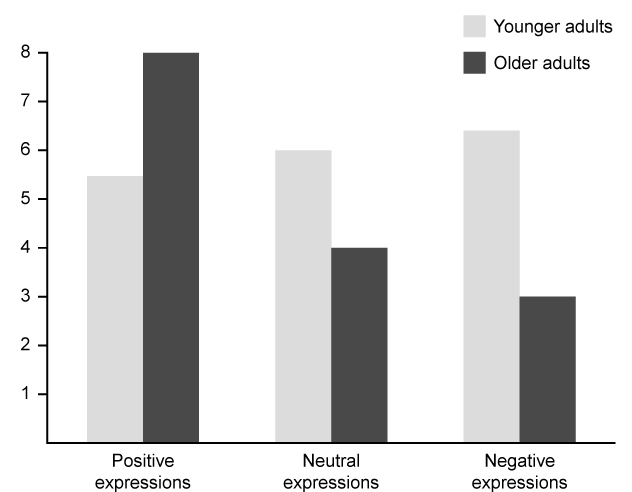 Figure 1 Average number of correctly identified faces for older and younger adult groups
-Decreased memory caused by the distraction task demonstrates:
Figure 1 Average number of correctly identified faces for older and younger adult groups
-Decreased memory caused by the distraction task demonstrates: (Multiple Choice)
4.9/5 (96)
(96) According to the demographic transition model, a newly industrializing society is characterized by which of the following?
(Multiple Choice)
4.8/5 (72)
(72) Passage
Studies suggest that health outcomes for preventable diseases are impacted by delayed treatment and lack of compliance. People often postpone seeking medical care because they fear hearing bad news from their physician. Paradoxically, when they finally do see a doctor, they may find out that their disease is indeed serious, but only because treatment was so delayed.Refusal to comply with a physician's instructions is another major issue. Although there are many reasons for this, one possible explanation is that patients are responding with psychological reactance. Reactance theory suggests that when an individual perceives that free choice is threatened or limited, he or she may respond by wanting to perform the threatened behavior even more, as if to preserve original freedoms. For example, if a physician tells a patient to quit smoking, the smoker might respond by smoking even more in an effort to preserve the freedom to smoke.Researchers hypothesize that psychological reactance may be reduced or avoided when physicians communicate with their patients through a process known as deliberation. In the following example, the physician has already explained to the patient that her weight could be having a negative impact on her diabetes. The physician, using deliberation, then initiates a dialogue about how the patient would like to address the situation:Physician: "You are already taking pretty strong medications, so your options are either to change your eating habits or increase your level of exercise. It's your choice."Patient: "I think I could exercise more by joining a gym. I could stop eating dessert, but I would hate to give up chocolate."Physician: "Okay. Let's negotiate. Why don't you try going to the gym and giving up sweets-except chocolate-for the next month. Then come back to see me, and we'll see where we are."
Adapted from S. Bigi ©2016 Frontiers.
-To test whether the process of deliberation described in the passage had its hypothesized effect (paragraph 3), researchers would need to operationalize which dependent variable?
(Multiple Choice)
4.9/5 (78)
(78) Passage
The highly addictive nature of cigarettes can be partly explained by how nicotine, the primary addictive ingredient, is administered. The fastest route of administration for most drugs is through inhalation; cigarette smoking results in the transmission of nicotine to the brain in about 15 seconds. In the brain, nicotine activates the nicotinic acetylcholine receptors, which stimulate the brain's reward pathway and produce mild feelings of euphoria. Those who quit smoking often relapse due to stress, weight gain, and withdrawal symptoms such as cravings and irritability. Of those who attempt to quit without formal treatment, only 3%-5% remain abstinent after a year.Research suggests that mindfulness meditation-based programs can be an effective strategy to quit smoking. Mindfulness is an aspect of meditation that involves cultivating a nonjudgmental awareness of the thoughts, emotions, and sensations arising in the present moment.For one study, researchers randomly assigned 88 smokers to either Mindfulness Training (MT) or the Freedom From Smoking (FFS) intervention developed by the American Lung Association. Both groups participated in 90-minute group training sessions twice a week for four weeks. The FFS intervention educated participants on the negative health consequences of smoking, coping strategies for cravings, and the development of healthy lifestyle habits. The MT intervention taught mindfulness meditation techniques as a way of gaining awareness and acceptance of the cognitive, emotional, and physical components of cravings. The number of cigarettes smoked per day and self-reported abstinence, as verified by exhaled carbon monoxide, were measured at the end of treatment and at a 17-week follow-up for participants in each group (Figure 1).
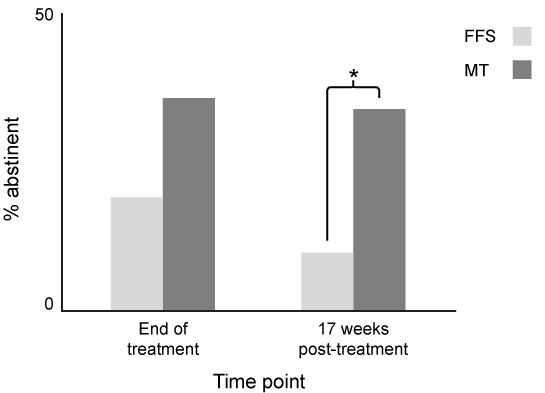 Figure 1 Percentage of participants in each group abstinent at the end of treatment and at 17-week follow-up (* indicates p < 0.05)
-Smoking behavior is:
Figure 1 Percentage of participants in each group abstinent at the end of treatment and at 17-week follow-up (* indicates p < 0.05)
-Smoking behavior is: (Multiple Choice)
4.9/5 (79)
(79) Passage
Until the middle of the twentieth century, most researchers believed that infants possess only the most rudimentary ways of perceiving the world. Then, in the 1950s, innovative investigative strategies allowed researchers to better assess the complexity of infants' perceptual abilities.Studies on the visual perception of infants used gaze time as an indicator of interest or preference. In Study 1, 36 babies age 2 weeks to 4 months were shown 6 pictures of identical size simultaneously, such as pictures of a bull's-eye, a bird, three squares of different colors, and a human face. Researchers recorded the time the infants spent looking at each picture and calculated the mean gaze time for each picture. It was found that the babies gazed far longer at the human face than at any other picture.Studies on the auditory perception of infants also employed gaze time as an indicator of preference. In Study 2, researchers exposed infants age 1-4 months to four types of auditory stimuli. The first type was human speech consisting of a series of randomly selected short words, each stated in a neutral tone, followed by a second of silence. The other stimuli included environmental sounds (eg, forest noises); neutral, human, noncommunicative sounds (eg, sneezing, coughing, throat clearing); and monkey vocalizations. A red light was shown on a computer monitor to attract the babies' attention. Once their gaze was fixed on the monitor, they were shown a picture of a checkerboard along with the auditory stimulus for up to 40 seconds. The time the infants gazed at the monitor was recorded. Results indicated that babies preferred human speech to any other sound.
Adapted from S. Shultz and A. Vouloumanos ©2010 Taylor & Francis Group, and R. L. Fantz ©1961 Scientific American.
-Based on the results of these two studies, which conclusion is most supported?
(Multiple Choice)
4.9/5 (78)
(78) Passage
Text messaging while driving increases the risk of a motor vehicle accident more than twenty-fold. The number of deadly highway accidents has spiked after decades of decline, mainly because of texting while driving. Despite this, nearly 40% of American drivers report having texted while driving and 20% of drivers report doing so regularly. Motor vehicle traffic accidents are the leading cause of death among Americans age 16 to 25.Researchers conducted a study to investigate the extent to which driving is impaired by prolonged gazes away from the highway (as a correlate to texting while driving) for males with and without attention-deficit hyperactivity disorder (ADHD). Eighty 16-year-old males with a valid driver's license were recruited for the study; half had ADHD (26 diagnosed as mild, 14 diagnosed as moderate) and half did not. Each participant was asked to complete six driving tasks (eg, avoiding an object on the road, merging, making unexpected stops) using a highly realistic driving simulator that projects computer-generated, two-dimensional, 360º visuals, requiring the use of side and rearview mirrors. The baseline condition included no distraction. In the first distraction condition, participants drove while conducting a hands-free phone conversation, and in the second distraction condition they were texting while driving. Two dependent variables were assessed: (1) percentage of driving time with eyes diverted from the road, and (2) number of glances away from the road lasting longer than two seconds.Under both distraction conditions, participants with ADHD (compared to those without ADHD) demonstrated a significantly higher percentage of driving time with eyes diverted from the road, as well as a significantly higher number of prolonged glances away from the road. In addition, unsteady lane position while driving was correlated with both ADHD and texting. The researchers concluded that impairments in driving performance were due to the extreme cognitive workload of competing tasks and visual inattention.
-Which of the following conclusions about ADHD is most supported by this study?
(Multiple Choice)
4.9/5 (84)
(84) Passage
Suicide is one of the leading causes of death in the United States. Suicide risk is associated with a variety of factors. Personal factors include childhood abuse, certain personality traits (eg, impulsiveness, aggression), and history of mental illness. Over 90% of people who attempt suicide meet diagnostic criteria for at least one psychological disorder, and suicide risk increases as the number of co-occurring disorders increases. Diagnosis severity also matters: studies suggest that individuals are at greatest risk of attempting suicide while inpatient at or newly discharged from a psychiatric hospital.Social factors also play a role in suicide. Sociologist Émile Durkheim argued that embeddedness in society is a key feature in determining the likelihood of an individual committing suicide. Specifically, the more people that depend on an individual financially, emotionally, or physically, the less likely that individual is to commit suicide. Studies suggest that suicide is also linked to religious affiliation and income level. Religious groups that place more value on community events, church attendance, and collective solidarity tend to have lower rates of suicide among members, whereas more affluent individuals are more likely to commit suicide.Economic trends have also been linked to suicide. One study retrospectively analyzed the relationship between the U.S. economy and suicide rates. It found that the overall suicide rate tends to rise during economic recessions and drop during economic expansions (Figure 1).
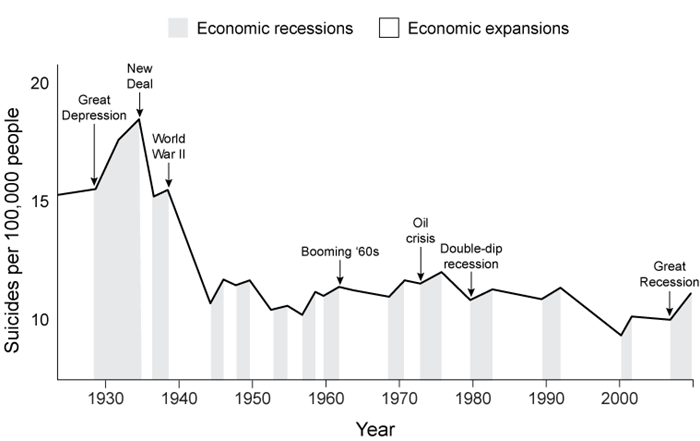 Figure 1 U.S. suicide rates compared to economic trendsFurther analysis of suicide data suggests that for every individual who successfully commits suicide, approximately 25 individuals are unsuccessful in such attempts, costing the United States billions of dollars annually in both lost wages and treatment expense. Although white, middle-aged men are the most likely cohort to successfully commit suicide, women attempt suicide three times more often than men.
-"Suicide clusters" are greater-than-average rates of suicide occurring within a short time frame. After a well-publicized initial suicide, suicide rates tend to rise, particularly among teenagers and young adults. This phenomenon can also be described as:
Figure 1 U.S. suicide rates compared to economic trendsFurther analysis of suicide data suggests that for every individual who successfully commits suicide, approximately 25 individuals are unsuccessful in such attempts, costing the United States billions of dollars annually in both lost wages and treatment expense. Although white, middle-aged men are the most likely cohort to successfully commit suicide, women attempt suicide three times more often than men.
-"Suicide clusters" are greater-than-average rates of suicide occurring within a short time frame. After a well-publicized initial suicide, suicide rates tend to rise, particularly among teenagers and young adults. This phenomenon can also be described as: (Multiple Choice)
4.8/5 (81)
(81) 
Filters
- Essay(0)
- Multiple Choice(0)
- Short Answer(0)
- True False(0)
- Matching(0)