



 Chat with AI
Exam 3: Biology

Exam 1: Behavioral Sciences343 Questions
Exam 2: Biochemistry307 Questions
Exam 3: Biology319 Questions
Exam 4: Critical Analysis & Reasoning Skills358 Questions
Exam 5: General Chemistry317 Questions
Exam 6: Organic Chemistry191 Questions
Exam 7: Physics200 Questions
Select questions type


A patient found to have an abnormally low number of helper T cells in her blood contracts a bacterial infection. During the infection, which of the following is most likely NOT affected by the patient's low count of helper T cells?

Free
(Multiple Choice)
4.8/5  (81)
(81) Correct Answer: Verified
A
Passage
At the blood-brain barrier, the cerebral spinal fluid (CSF) is separated from lymphatic circulation by epithelial cells bound by tight junctions. Within the central nervous system (CNS), CSF surrounds and protects the brain and spinal cord and is believed to function in waste clearance for the CNS analogous to the role of the lymphatic system within the body.This waste clearance system has been dubbed the "glymphatic system." Although the mechanism of clearance is largely unknown, specialized glial cells known as astrocytes appear to modify the interstitial volume between neurons. This increase in interstitial volume allows for greater CSF flow, which increases the efficiency of neurotoxic clearance. Waste products removed from the brain include metabolic products such as ammonia and harmful compounds such as amyloid proteins.Recent advances in imaging technology suggest that interstitial clearance may be modified during sleep. To test this hypothesis, researchers indirectly studied changes in interstitial volume by measuring the percentage of CSF coverage in animal models during the first hour of sleep and again during the first hour of wakefulness (Figure 1).
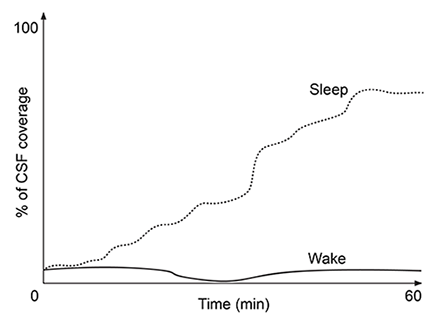 Figure 1. Percentage of CSF coverage of interstitial space during sleep and wakefulness
-Given the role of the glymphatic system outlined in the passage, chronic sleep deprivation might contribute to the development of which of the following disease states?
Figure 1. Percentage of CSF coverage of interstitial space during sleep and wakefulness
-Given the role of the glymphatic system outlined in the passage, chronic sleep deprivation might contribute to the development of which of the following disease states?Free
(Multiple Choice)
4.9/5 (74)
(74) Correct Answer:Verified
VerifiedA
Passage
Proteins known as cancer/testis antigens (CTAs) are normally expressed exclusively in germline cells but may become reactivated in cancer cells due to chromatin remodeling (eg, gene activation due to DNA demethylation). Because of their normally restricted expression, CTAs can elicit an immune response when expressed by cancer cells derived from other tissue types. Several CTAs are known to inhibit apoptosis or promote cell division in cancer cells, making them more resistant to traditional chemotherapy. Accordingly, cancer research instead has focused on immunotherapy treatments targeting CTAs.In a study, researchers isolated peripheral blood lymphocytes (B lymphocytes, T lymphocytes, natural killer [NK] cells) from two healthy individuals. These lymphocytes were cultured with signaling factors known to promote helper T cell (Th cell) proliferation. After 7 days, cultures from both individuals were enriched for Th cells, which expressed proteins generally involved in activating other lymphocytes. A subset of the cultures from each individual was treated with 5-Aza-CdR, a DNA-demethylating agent. Reverse transcription polymerase chain reaction (RT-PCR) was used to analyze expression of several CTAs (ie, MAGEs) in both untreated and 5-Aza-CdR-treated lymphocyte cultures, as well as in untreated melanoma (skin cancer) and breast cancer cell lines (Figure 1). GAPDH, a protein expressed in most cell types, served as a control.
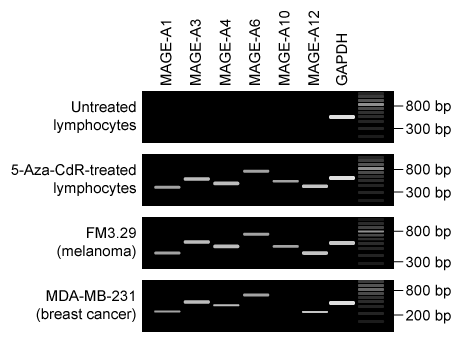 Figure 1 Gels showing RT-PCR results for MAGE expressionAdditional peripheral blood lymphocytes were isolated from the same healthy individuals and incubated with the Th cells that had been treated with 5-Aza-CdR. After 11 days, these cultures consisted primarily of an increased number of NK cells and cytotoxic T lymphocytes (CTLs). Researchers found that these CTLs were able to induce apoptosis in breast cancer cell lines but did not affect healthy cells.Researchers used a similar procedure to induce CTL proliferation in lymphocytes isolated from a breast cancer patient. The CTLs were then incubated with cells obtained from a biopsy of the patient's cancerous tissue. Following this experiment, researchers found that apoptosis was induced in the patient's cancer cells.
Kirkin et al. Adoptive cancer immunotherapy using DNA-demethylated T helper cells as antigen-presenting cells. Nature Communications. 2018; 9:785
-Which of the following conclusions is best supported by the results presented in Figure 1?
Figure 1 Gels showing RT-PCR results for MAGE expressionAdditional peripheral blood lymphocytes were isolated from the same healthy individuals and incubated with the Th cells that had been treated with 5-Aza-CdR. After 11 days, these cultures consisted primarily of an increased number of NK cells and cytotoxic T lymphocytes (CTLs). Researchers found that these CTLs were able to induce apoptosis in breast cancer cell lines but did not affect healthy cells.Researchers used a similar procedure to induce CTL proliferation in lymphocytes isolated from a breast cancer patient. The CTLs were then incubated with cells obtained from a biopsy of the patient's cancerous tissue. Following this experiment, researchers found that apoptosis was induced in the patient's cancer cells.
Kirkin et al. Adoptive cancer immunotherapy using DNA-demethylated T helper cells as antigen-presenting cells. Nature Communications. 2018; 9:785
-Which of the following conclusions is best supported by the results presented in Figure 1?Free
(Multiple Choice)
4.8/5 (70)
(70) Correct Answer:Verified
VerifiedB
Passage
At the blood-brain barrier, the cerebral spinal fluid (CSF) is separated from lymphatic circulation by epithelial cells bound by tight junctions. Within the central nervous system (CNS), CSF surrounds and protects the brain and spinal cord and is believed to function in waste clearance for the CNS analogous to the role of the lymphatic system within the body.This waste clearance system has been dubbed the "glymphatic system." Although the mechanism of clearance is largely unknown, specialized glial cells known as astrocytes appear to modify the interstitial volume between neurons. This increase in interstitial volume allows for greater CSF flow, which increases the efficiency of neurotoxic clearance. Waste products removed from the brain include metabolic products such as ammonia and harmful compounds such as amyloid proteins.Recent advances in imaging technology suggest that interstitial clearance may be modified during sleep. To test this hypothesis, researchers indirectly studied changes in interstitial volume by measuring the percentage of CSF coverage in animal models during the first hour of sleep and again during the first hour of wakefulness (Figure 1).
Figure 1. Percentage of CSF coverage of interstitial space during sleep and wakefulness
-A second study is performed to measure CSF coverage against brain wave frequency, measured by electroencephalography. Which of the following findings would best support the data provided in the passage?
Figure 1. Percentage of CSF coverage of interstitial space during sleep and wakefulness
-A second study is performed to measure CSF coverage against brain wave frequency, measured by electroencephalography. Which of the following findings would best support the data provided in the passage? (Multiple Choice)
4.8/5 (77)
(77) Scientists studying evolution in yeast found that a certain species underwent a reduction in chromosome number with no loss of coding information. Given this, which of the following mechanisms best explains how this reduction in chromosome number may have occurred?End-to-end fusion of two chromosomes followed by inactivation of one centromere on the newly formed chromosomeBreakage of a chromosome at the centromere and fusion of the two resulting chromosomal portions to the ends of other chromosomesTransfer of a DNA sequence from one chromosomal arm to a different chromosomal arm
(Multiple Choice)
4.8/5 (79)
(79) A neurotransmitter released from one neuron causes an influx of negatively charged ions into the cytosol of an adjacent neuron. In the adjacent neuron, the influx of these ions would most likely:
(Multiple Choice)
4.9/5 (63)
(63) Passage
The Bloom syndrome helicase (BLM) transcript is catalytically inactive in Bloom syndrome (BS), a genetic disorder that leads to genomic instability characterized by excessive somatic recombination events. Research studies have shown that BLM may be involved in DNA synthesis repair of stalled replication forks during replication stress (arrest). To investigate this further, an experiment was conducted using cell lines derived from a patient with BS. One set of cells differed only by BLM status: PSNF5 (BLM+, vector with BLM cDNA transfected) and PSNG13 (BLM−, empty vector transfected). Additional mutations, BLM-K695T and BLM-T99A, were studied in stable transfected cells.The nucleoside analogs iododeoxyuridine (IdU) and chlorodeoxyuridine (CldU) were used to label and track genomic regions of active replication. Cells were initially treated with IdU for 15 minutes. Subsequently, either 4 mM of hydroxyurea (HU) or 30 µM of aphidicolin (Aph) were used to induce replication stress for 4 hours, after which cells were treated with CldU for 85 minutes to assess replication recovery. Cells were mounted on microscope slides, lysed to isolate chromosome fibers, and then fixed on the slides. Sites of IdU and CldU incorporation into the growing DNA strand were then detected by immunostaining the isolated chromosome fibers with analog-specific, fluorescent-coupled antibodies. Replication activity was visualized via microscopy and measured.
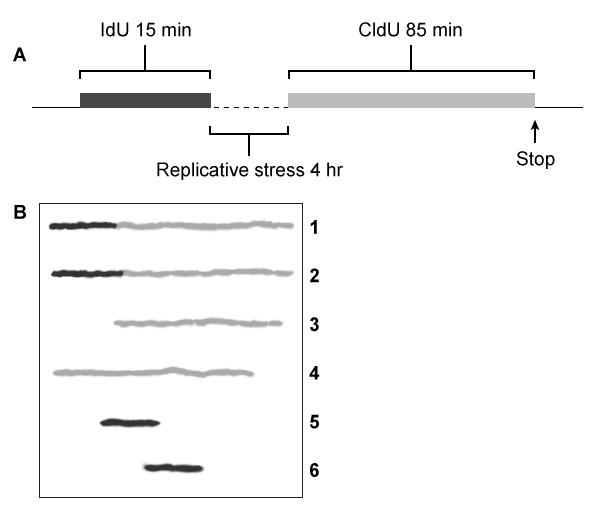 Figure 1 (A) Experimental protocol and (B) fluorescent imaging of a microscope slide showing incorporation of IdU (black lines) and CldU (gray lines) into DNA fibers isolated from a group of BLM+ and BLM− cells, with single fibers depicted in each row
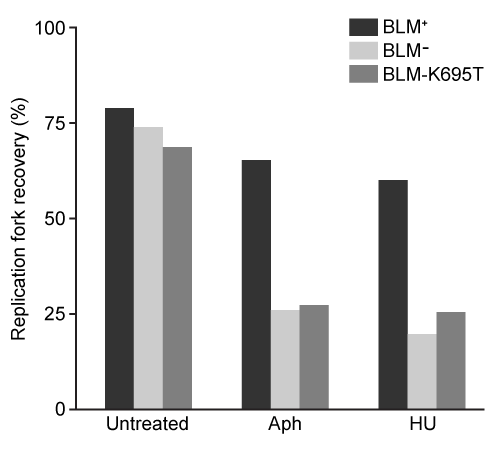 Figure 2 Replication fork recovery in cells expressing BLM+, BLM−, and the mutation BLM-K695T (antagonistic to wild-type)
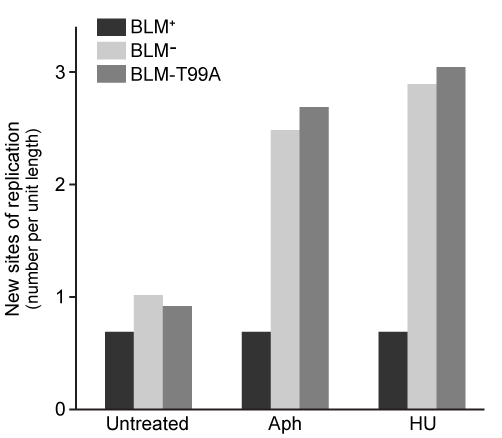 Figure 3 New sites of replication in cells expressing BLM+, BLM−, and the mutation BLM-T99A (T99 phosphorylated after replication arrest)
Adapted from Davies SL, North PS, Dart A, Lakin ND, Hickson ID. Mol Cell Biol. 2004;24(3):1279-91.
-All of the following enzymes would be used to generate the vector transfected into PSNF5 cells EXCEPT:
Figure 1 (A) Experimental protocol and (B) fluorescent imaging of a microscope slide showing incorporation of IdU (black lines) and CldU (gray lines) into DNA fibers isolated from a group of BLM+ and BLM− cells, with single fibers depicted in each row
Figure 2 Replication fork recovery in cells expressing BLM+, BLM−, and the mutation BLM-K695T (antagonistic to wild-type)
Figure 3 New sites of replication in cells expressing BLM+, BLM−, and the mutation BLM-T99A (T99 phosphorylated after replication arrest)
Adapted from Davies SL, North PS, Dart A, Lakin ND, Hickson ID. Mol Cell Biol. 2004;24(3):1279-91.
-All of the following enzymes would be used to generate the vector transfected into PSNF5 cells EXCEPT: (Multiple Choice)
4.9/5 (91)
(91) Passage
Saliva, a secreted fluid with multiple physiologic functions, is composed of water (~99%), proteins, and electrolytes. Together, these components facilitate nutrient consumption, respiration, and communication. For example, saliva aids in digestion by serving as a lubricant during mastication and by initiating carbohydrate and fat metabolism. In addition, the calcium and phosphate present in saliva promote tooth remineralization, and antimicrobial and chemical buffering agents give saliva protective properties.The gustatory-salivary reflex, the secretion of saliva from the salivary glands in response to gustation (taste), is primarily mediated by the parasympathetic division of the nervous system. In general, parasympathetic pathways originate from the brain stem or the sacral spinal cord. Fibers originating from nuclei in these regions synapse onto ganglia that lie in close proximity to the target organ. Both preganglionic neurons (those originating from the nuclei) and postganglionic neurons (those originating from the ganglia) release acetylcholine (ACh).In the gustatory-salivary reflex, activation of taste receptors in the tongue sends impulses to the superior and inferior salivatory nuclei in the brainstem. Local processing within these nuclei activates the parasympathetic pathways that innervate the salivary glands. Ultimately, ACh released from postganglionic neurons acts on the muscarinic acetylcholine receptors (mAChRs) on the secretory cells of the salivary gland to stimulate salivation (Figure 1).
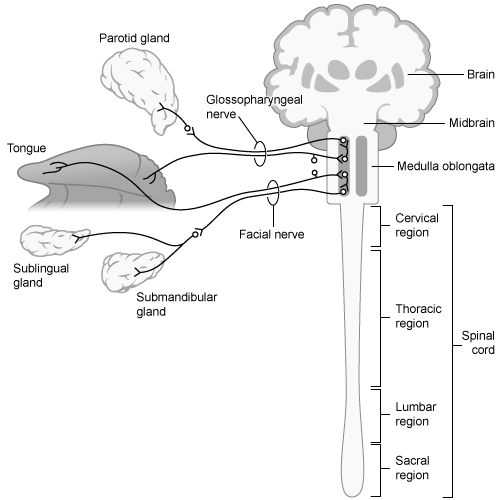 Figure 1 Parasympathetic regulation of salivary secretionSympathetic stimulation of the salivary glands also promotes salivation but to a lesser degree than parasympathetic stimulation. This may contribute to what is often perceived to be decreased salivation when the sympathetic division is more active than its counterpart. Unlike parasympathetic pathways, sympathetic pathways originate in the thoracic and lumbar spinal segments, and the ganglia lie in close proximity to the spinal cord. Although preganglionic neurons of the sympathetic nervous system release ACh, the postganglionic neurons often release norepinephrine.
-The drug cevimeline hydrochloride is a cholinergic agonist. Administration of cevimeline hydrochloride would be expected to cause:
Figure 1 Parasympathetic regulation of salivary secretionSympathetic stimulation of the salivary glands also promotes salivation but to a lesser degree than parasympathetic stimulation. This may contribute to what is often perceived to be decreased salivation when the sympathetic division is more active than its counterpart. Unlike parasympathetic pathways, sympathetic pathways originate in the thoracic and lumbar spinal segments, and the ganglia lie in close proximity to the spinal cord. Although preganglionic neurons of the sympathetic nervous system release ACh, the postganglionic neurons often release norepinephrine.
-The drug cevimeline hydrochloride is a cholinergic agonist. Administration of cevimeline hydrochloride would be expected to cause: (Multiple Choice)
4.8/5 (76)
(76) Passage
Skin grafting is a procedure in which healthy skin from a different region of the body is transplanted onto an area of absent or damaged skin. Skin grafts are used for partial-thickness burns, which damage the epidermis and dermis, and for full-thickness burns, which damage the epidermis, dermis, and hypodermis. Superficial burns injure only epidermal tissue and heal without skin grafts. Skin grafting has greatly improved the long-term survival of burn victims. However, because grafted skin cannot effectively dissipate heat, burn survivors are at an increased risk of hyperthermia (abnormally high body temperature), a condition that can lead to heat-related medical emergencies such as heat stroke. The greater the grafted body surface area (BSA), the greater the risk for complications related to thermoregulation.Heat acclimation (HA) is the process by which the body increases heat tolerance through adaptive changes in the sympathetic control of skin heat dissipation. It can be induced in healthy individuals by repeated exercise at elevated ambient temperature and humidity. A group of researchers tested whether skin graft recipients could also undergo HA. Skin graft recipients who were otherwise healthy and had at least 15% grafted BSA were recruited for the study, as were controls with no history of receiving grafts. The skin graft recipients were split into two groups, those with 15%-40% grafted BSA and those with >40% grafted BSA. For a period of seven days, subjects participated daily in 90 min of exercise at 50% maximal oxygen consumption in a room where the temperature was maintained at 40°C. Exercise modality, fluid intake, and frequency and duration of rest were strictly monitored.On the days immediately preceding and following the HA regimen, the heat tolerance of participants was tested with a 90-min exercise regimen at a fixed heat production rate (Figure 1). Tolerance testing was halted before 90 min for subjects whose internal body temperature exceeded 40°C. The change in internal temperature of participants was calculated by subtracting their internal temperature before exercise from their internal temperature at exercise cessation (either once temperature reached 40°C or at the 90-min endpoint).
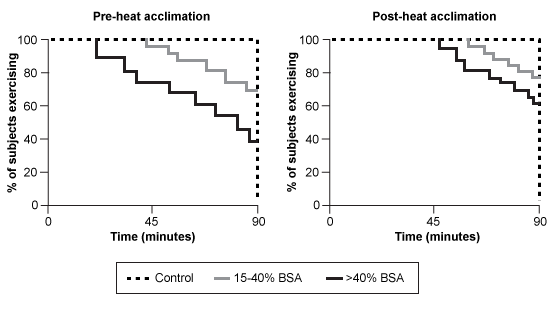 Figure 1 HA in controls and in skin graft recipients
Adapted from Schlader ZJ, Ganio MS, Pearson J, et al. J Appl Physiol. 2015;119(1):69-76.
-Which of the following skin functions will most likely be impaired in tissue with superficial burns?Keratinocyte maturationImmune surveillanceShock absorption
Figure 1 HA in controls and in skin graft recipients
Adapted from Schlader ZJ, Ganio MS, Pearson J, et al. J Appl Physiol. 2015;119(1):69-76.
-Which of the following skin functions will most likely be impaired in tissue with superficial burns?Keratinocyte maturationImmune surveillanceShock absorption (Multiple Choice)
4.9/5 (84)
(84) Autonomous retrotransposons are segments of DNA that encode specialized enzymes. These enzymes allow autonomous retrotransposons to move between different regions of a host genome via RNA intermediates using mechanisms similar to those of retroviruses. Some autonomous retrotransposons are segments of retroviral DNA that have been partially inactivated by mutations. Given this, which of the following mutations would most likely convert active retroviral DNA into an autonomous retrotransposon?
(Multiple Choice)
4.9/5 (96)
(96) Passage
Endometriosis is a chronic, treatable disease of the female reproductive tract associated with infertility and pelvic pain in women of reproductive age. The endometrium, a layer of epithelial tissue that grows and sheds during the menstrual cycle, normally makes up the interior lining of the uterus. In individuals with endometriosis, endometrial tissue is also found ectopically (outside the uterine cavity).The mechanism by which endometrial tissue successfully implants outside the uterine cavity is thought to be dependent on signaling molecules that promote the formation of blood vessels locally. One of these signaling molecules is vascular endothelial growth factor (VEGF), a protein that is normally synthesized and secreted by various tissues in response to reduced oxygen levels. Because VEGF is thought to be implicated in ectopic endometrial tissue growth, researchers hypothesize that the abdominal and pelvic structures of women with endometriosis would contain higher levels of VEGF compared to women without endometriosis.In an experiment, women ages 25-40 were divided into groups based on endometriosis disease status. Individuals on any type of medication were excluded from the study. Using minimally invasive surgery, samples of peritoneal fluid were taken from healthy subjects (n = 19) and from subjects diagnosed with endometriosis (n = 30). An enzyme-linked immunosorbent assay (ELISA) was used to characterize the concentration of VEGF protein present within these samples.In a separate procedure that took place five days after peritoneal fluid collection, uterine endometrial samples were obtained from all subjects and visualized under a microscope to determine the menstrual cycle phase of each participant. Figure 1 shows the level of VEGF in the abdominal fluid categorized by disease status and menstrual cycle phase.
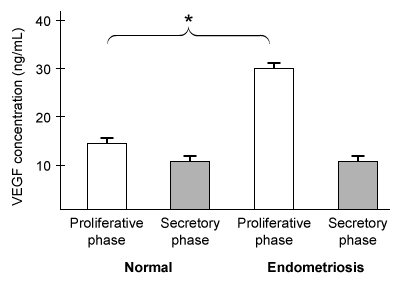 Figure 1 VEGF concentration in sampled peritoneal fluid (Note: * = p < 0.05; Proliferative phase = stage immediately preceding ovulation; Secretory phase = stage immediately following ovulation)
-Which of the following changes to the experimental design would improve the accuracy of the results shown in Figure 1?
Figure 1 VEGF concentration in sampled peritoneal fluid (Note: * = p < 0.05; Proliferative phase = stage immediately preceding ovulation; Secretory phase = stage immediately following ovulation)
-Which of the following changes to the experimental design would improve the accuracy of the results shown in Figure 1? (Multiple Choice)
4.8/5 (70)
(70) Passage
The sex chromosomes X and Y are involved in mammalian sex determination. Organisms with two wild-type (WT) X chromosomes develop as females (XX), but those with a combination of WT X and Y chromosomes develop as males (XY) (Table 1). Both sexes also inherit a set of autosomes (nonsex chromosomes). Humans inherit 22 pairs of autosomes (44 total). In contrast, rabbits inherit 21 pairs of autosomes (42 total).Table 1 Chromosome Types Inherited by a Male and Female Rabbit (Note: The Y chromosome has fewer alleles than the X chromosome.)
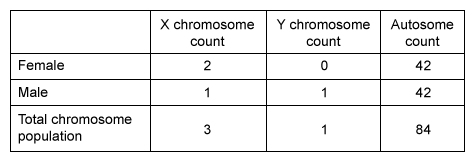 Specifically, the SRY gene, located on the mammalian Y chromosome, is crucial for male sex determination and induction of testis development. Studies in mammals have shown that regardless of an organism's combination of sex chromosomes, fetuses will always develop as female in the absence of the SRY protein. In addition, one of the X chromosomes becomes inactivated in WT,XX females to prevent them from having double the amount of X-chromosome gene products as WT,XY males.Sp1 is a transcription factor with demonstrated regulatory control of SRY gene expression, and XY individuals with mutations affecting the Sp1 binding site on the SRY gene have been shown to develop female sex characteristics. Unlike SRY, the gene for Sp1 is located on an autosome.Researchers knocked out (KO) Sp1 binding sites on the SRY gene in rabbit embryos (Sp1 KO,XY rabbits) and observed their sexual development following implantation in surrogate mothers. The relationship between the SRY gene and sexual development can be explained by the following experimental observations: Most Sp1 KO,XY rabbits had female genitalia and displayed normal mating behaviors.
Sp1 KO,XY rabbits had significantly smaller ovaries and fewer follicles than WT,XX rabbits.
No significant differences were observed in the cervix and uterus between Sp1 KO,XY and WT,XX rabbits.
There was significantly reduced SRY expression in Sp1 KO,XY rabbits when compared to WT,XY males.
WT,XY male rabbits had significantly higher testosterone levels when compared to Sp1 KO,XY rabbits.
Sp1 KO,XY rabbits were infertile when mated with WT,XY males.
Sp1 KO,XY rabbits could become pregnant via embryo transfer.
Song Y et al. Mutation of the Sp1 binding site in the 5' flanking region of SRY causes sex reversal in rabbits. Oncotarget. 2017; 8(24):38176-83.
-In an isolated population of 10,000 rabbits, 900 are homozygous for a recessive mutant Sp1 allele. Given this, what is the percentage of rabbits in the population who carry the mutant Sp1 allele but do not express the mutant phenotype? (Note: Assume the population is in Hardy-Weinberg equilibrium.)
Specifically, the SRY gene, located on the mammalian Y chromosome, is crucial for male sex determination and induction of testis development. Studies in mammals have shown that regardless of an organism's combination of sex chromosomes, fetuses will always develop as female in the absence of the SRY protein. In addition, one of the X chromosomes becomes inactivated in WT,XX females to prevent them from having double the amount of X-chromosome gene products as WT,XY males.Sp1 is a transcription factor with demonstrated regulatory control of SRY gene expression, and XY individuals with mutations affecting the Sp1 binding site on the SRY gene have been shown to develop female sex characteristics. Unlike SRY, the gene for Sp1 is located on an autosome.Researchers knocked out (KO) Sp1 binding sites on the SRY gene in rabbit embryos (Sp1 KO,XY rabbits) and observed their sexual development following implantation in surrogate mothers. The relationship between the SRY gene and sexual development can be explained by the following experimental observations: Most Sp1 KO,XY rabbits had female genitalia and displayed normal mating behaviors.
Sp1 KO,XY rabbits had significantly smaller ovaries and fewer follicles than WT,XX rabbits.
No significant differences were observed in the cervix and uterus between Sp1 KO,XY and WT,XX rabbits.
There was significantly reduced SRY expression in Sp1 KO,XY rabbits when compared to WT,XY males.
WT,XY male rabbits had significantly higher testosterone levels when compared to Sp1 KO,XY rabbits.
Sp1 KO,XY rabbits were infertile when mated with WT,XY males.
Sp1 KO,XY rabbits could become pregnant via embryo transfer.
Song Y et al. Mutation of the Sp1 binding site in the 5' flanking region of SRY causes sex reversal in rabbits. Oncotarget. 2017; 8(24):38176-83.
-In an isolated population of 10,000 rabbits, 900 are homozygous for a recessive mutant Sp1 allele. Given this, what is the percentage of rabbits in the population who carry the mutant Sp1 allele but do not express the mutant phenotype? (Note: Assume the population is in Hardy-Weinberg equilibrium.) (Multiple Choice)
4.8/5 (82)
(82) Passage
Alzheimer disease (AD) is a progressive condition affecting memory and cognition that can be pathologically characterized by the presence of neurofibrillary tangles (NFTs). NFTs, aggregates of hyperphosphorylated tau proteins that have dissociated from microtubules, are believed to contribute to neuronal degradation and subsequent AD symptoms. In general, ribosomes initiate translation of tau mRNA by binding the 7-methylguanosine (m7Gpp) cap present at the end of the 5′ untranslated region (UTR) of the mRNA molecule. However, researchers believe that tau protein translation initiation can occur without recognition of the m7Gpp cap. This alternate mechanism, referred to as cap-independent translation, indicates that ribosomes are recruited by internal ribosome entry sites (IRES) generally located in the 5′ UTR of the mRNA sequence.To determine the initiation mechanism of tau mRNA translation, neuroblastoma cells of AD mice were transfected with two different DNA constructs (Figure 1). Construct 1 contained the 5′ UTR of tau mRNA isoforms (v1 and v2) extracted from cells displaying NFTs. Construct 2 included the 5′ UTR of the β-globulin gene, which normally codes for a plasma protein. The luciferase reporter genes, Renillla and Photinus, were also included in the two constructs.
/_
/_
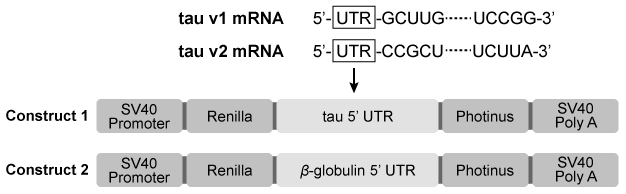 Figure 1 DNA constructs containing β-globulin or tau gene used to transfect neuroblastoma cellsLuciferase gene expression from the constructs was monitored in the absence and presence of a synthetic m7Gpp cap analog (Figure 2). Translation of Renillla luciferase mRNA depended on ribosomal binding to the m7Gpp cap of the mRNA, but translation of Photinus luciferase required ribosome recruitment by an IRES in the 5′ UTR of the adjacent gene.
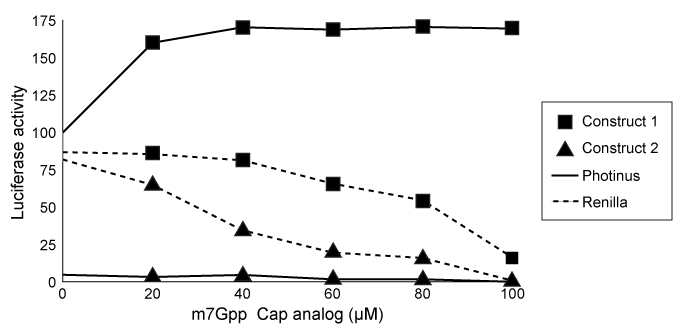 Figure 2 Luciferase activity in neuroblastoma cells exposed to m7Gpp cap analogIn a second study, researchers used siRNA to target initiation factor eIF4E, a peptide translated in a cap-dependent manner that facilitates the binding of ribosomes to the m7Gpp cap. Expression of factor eIF4E, elongation factor eEF2K, and tau v2 protein was assessed in siRNA-treated cells (Figure 3).
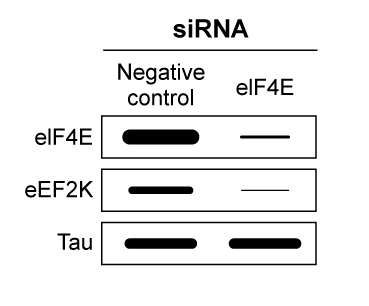 Figure 3 Western blot of eIF4E, eEF2K, and tau v2 extracted from non-AD cells treated with eIF4E siRNA
Adapted from Veo BL, Krushel LA. Translation initiation of the human tau mRNA through an internal ribosomal entry site. J Alzheimers Dis. 2009; 16(2):271-5.
-One of the study subjects with a BMI of 56 kg/m2 (Figure 2) is discovered to have a similar pathology to the ob/ob mouse. Like ob/ob mice, affected individuals exhibit normal weight at birth but become severely obese afterward and have undetectable levels of leptin in the serum. What is the best explanation for the absence of serum leptin in this condition?
Figure 1 DNA constructs containing β-globulin or tau gene used to transfect neuroblastoma cellsLuciferase gene expression from the constructs was monitored in the absence and presence of a synthetic m7Gpp cap analog (Figure 2). Translation of Renillla luciferase mRNA depended on ribosomal binding to the m7Gpp cap of the mRNA, but translation of Photinus luciferase required ribosome recruitment by an IRES in the 5′ UTR of the adjacent gene.
Figure 2 Luciferase activity in neuroblastoma cells exposed to m7Gpp cap analogIn a second study, researchers used siRNA to target initiation factor eIF4E, a peptide translated in a cap-dependent manner that facilitates the binding of ribosomes to the m7Gpp cap. Expression of factor eIF4E, elongation factor eEF2K, and tau v2 protein was assessed in siRNA-treated cells (Figure 3).
Figure 3 Western blot of eIF4E, eEF2K, and tau v2 extracted from non-AD cells treated with eIF4E siRNA
Adapted from Veo BL, Krushel LA. Translation initiation of the human tau mRNA through an internal ribosomal entry site. J Alzheimers Dis. 2009; 16(2):271-5.
-One of the study subjects with a BMI of 56 kg/m2 (Figure 2) is discovered to have a similar pathology to the ob/ob mouse. Like ob/ob mice, affected individuals exhibit normal weight at birth but become severely obese afterward and have undetectable levels of leptin in the serum. What is the best explanation for the absence of serum leptin in this condition? (Multiple Choice)
4.9/5 (64)
(64) Plasmodium falciparum is a protozoan parasite known to cause malaria, an illness characterized by fever, chills, and flu-like symptoms. Which of the following is the most likely reason why P. falciparum would be classified as a eukaryotic organism?
(Multiple Choice)
4.8/5 (91)
(91) Passage
A 6-day-old, genotypically normal (46,XX) female patient shows symptoms of hypoglycemia (low blood glucose) and hypotonia (decreased muscle tone). Physical examination reveals abnormal development of the external genitalia, and laboratory studies show elevated urinary sodium content, increased serum levels of potassium, and abnormal serum concentration of several steroid hormones. The patient is diagnosed with 21-hydroxylase deficiency, the most common type of congenital adrenal hyperplasia (CAH).CAH refers to a group of autosomal recessive diseases, each associated with defective production of one or more steroid hormones by the adrenal glands, two crescent-shaped glands located above each kidney in the abdominal cavity. It has been reported that unequal crossing over involving chromosome 6 can result in CAH. More than 90% of CAH diagnoses are associated with a deficiency of 21-hydroxylase, an enzyme encoded by the CYP21A2 gene on chromosome 6.Normally, 21-hydroxylase catalyzes chemical reactions involved in the synthesis of aldosterone and cortisol, the principal mineralocorticoid and glucocorticoid hormones, respectively. As a result, patients with 21-hydroxylase deficiency exhibit diminished serum levels of aldosterone and cortisol. However, synthesis and secretion of the sex hormone testosterone is excessive. Glucocorticoid deficiency disrupts the negative feedback loop linking the brain to the adrenal gland, leading to hyperplasia (increased cell proliferation) of adrenal tissue.The patient's 21-hydroxylase deficiency is treated with regular administration of synthetic steroid hormones. Her condition improves after receiving these medications.
-The neuroendocrine signaling cascade that induces adrenal hyperplasia involves coordinated activity among which organs?
(Multiple Choice)
4.9/5 (77)
(77) Assume a single-celled organism was discovered in water above 100°C. On closer inspection, it is determined that this organism was previously classified under the Archaea domain. Given this information, this organism most likely has:
(Multiple Choice)
4.8/5 (75)
(75) A patient is found to have reduced blood flow through pulmonary vessels and excess fluid accumulation in the abdomen and legs. Which of the following conditions would best explain this patient's symptoms?
(Multiple Choice)
4.8/5 (83)
(83) A student adds 5 bacterial cells to a test tube containing fresh medium and incubates it for 3 hours at 37°C. If the bacterial population shows an initial lag phase of 20 minutes followed by a doubling time of 40 minutes, what is the approximate number of bacterial cells present at the end of the incubation period? (Note: Assume unrestricted growth during incubation.)
(Multiple Choice)
5.0/5 (94)
(94) Passage
Alzheimer disease (AD) is a progressive condition affecting memory and cognition that can be pathologically characterized by the presence of neurofibrillary tangles (NFTs). NFTs, aggregates of hyperphosphorylated tau proteins that have dissociated from microtubules, are believed to contribute to neuronal degradation and subsequent AD symptoms. In general, ribosomes initiate translation of tau mRNA by binding the 7-methylguanosine (m7Gpp) cap present at the end of the 5′ untranslated region (UTR) of the mRNA molecule. However, researchers believe that tau protein translation initiation can occur without recognition of the m7Gpp cap. This alternate mechanism, referred to as cap-independent translation, indicates that ribosomes are recruited by internal ribosome entry sites (IRES) generally located in the 5′ UTR of the mRNA sequence.To determine the initiation mechanism of tau mRNA translation, neuroblastoma cells of AD mice were transfected with two different DNA constructs (Figure 1). Construct 1 contained the 5′ UTR of tau mRNA isoforms (v1 and v2) extracted from cells displaying NFTs. Construct 2 included the 5′ UTR of the β-globulin gene, which normally codes for a plasma protein. The luciferase reporter genes, Renillla and Photinus, were also included in the two constructs.
/_
/_
Figure 1 DNA constructs containing β-globulin or tau gene used to transfect neuroblastoma cellsLuciferase gene expression from the constructs was monitored in the absence and presence of a synthetic m7Gpp cap analog (Figure 2). Translation of Renillla luciferase mRNA depended on ribosomal binding to the m7Gpp cap of the mRNA, but translation of Photinus luciferase required ribosome recruitment by an IRES in the 5′ UTR of the adjacent gene.
Figure 2 Luciferase activity in neuroblastoma cells exposed to m7Gpp cap analogIn a second study, researchers used siRNA to target initiation factor eIF4E, a peptide translated in a cap-dependent manner that facilitates the binding of ribosomes to the m7Gpp cap. Expression of factor eIF4E, elongation factor eEF2K, and tau v2 protein was assessed in siRNA-treated cells (Figure 3).
Figure 3 Western blot of eIF4E, eEF2K, and tau v2 extracted from non-AD cells treated with eIF4E siRNA
Adapted from Veo BL, Krushel LA. Translation initiation of the human tau mRNA through an internal ribosomal entry site. J Alzheimers Dis. 2009; 16(2):271-5.
-While analyzing potential therapeutic strategies for AD, researchers would most likely pursue which of the following approaches?
Figure 1 DNA constructs containing β-globulin or tau gene used to transfect neuroblastoma cellsLuciferase gene expression from the constructs was monitored in the absence and presence of a synthetic m7Gpp cap analog (Figure 2). Translation of Renillla luciferase mRNA depended on ribosomal binding to the m7Gpp cap of the mRNA, but translation of Photinus luciferase required ribosome recruitment by an IRES in the 5′ UTR of the adjacent gene.
Figure 2 Luciferase activity in neuroblastoma cells exposed to m7Gpp cap analogIn a second study, researchers used siRNA to target initiation factor eIF4E, a peptide translated in a cap-dependent manner that facilitates the binding of ribosomes to the m7Gpp cap. Expression of factor eIF4E, elongation factor eEF2K, and tau v2 protein was assessed in siRNA-treated cells (Figure 3).
Figure 3 Western blot of eIF4E, eEF2K, and tau v2 extracted from non-AD cells treated with eIF4E siRNA
Adapted from Veo BL, Krushel LA. Translation initiation of the human tau mRNA through an internal ribosomal entry site. J Alzheimers Dis. 2009; 16(2):271-5.
-While analyzing potential therapeutic strategies for AD, researchers would most likely pursue which of the following approaches? (Multiple Choice)
4.7/5 (88)
(88) 
Filters
- Essay(0)
- Multiple Choice(0)
- Short Answer(0)
- True False(0)
- Matching(0)