



 Chat with AI
Exam 19: The Cardiovascular System: Blood Vessels

Exam 1: The Human Body: an Orientation100 Questions
Exam 2: Chemistry Comes Alive120 Questions
Exam 3: Cells: the Living Units119 Questions
Exam 4: Tissue: the Living Fabric97 Questions
Exam 5: The Integumentary System107 Questions
Exam 6: Bones and Skeletal Tissues94 Questions
Exam 7: The Skeleton102 Questions
Exam 8: Joints105 Questions
Exam 9: Muscles and Muscle Tissue109 Questions
Exam 10: The Muscular System109 Questions
Exam 11: Fundamentals of the Nervous System and Nervous Tissue95 Questions
Exam 12: The Central Nervous System132 Questions
Exam 13: The Peripheral Nervous System and Reflex Activity97 Questions
Exam 14: The Autonomic Nervous System96 Questions
Exam 15: The Special Senses127 Questions
Exam 16: The Endocrine System119 Questions
Exam 17: Blood99 Questions
Exam 18: The Cardiovascular System: the Heart94 Questions
Exam 19: The Cardiovascular System: Blood Vessels107 Questions
Exam 20: The Lymphatic System and Lymphoid Organs and Tissues95 Questions
Exam 21: The Immune System: Innate and Adaptive Body Defensives118 Questions
Exam 22: The Respiratory System120 Questions
Exam 23: The Digestive System145 Questions
Exam 24: Nutrition, Metabolism, and Body Temperature Regulation114 Questions
Exam 25: The Urinary System116 Questions
Exam 26: Fluid, Electrolyte, and Acid-Base Balance94 Questions
Exam 27: The Reproductive System126 Questions
Exam 28: Pregnancy and Human Development97 Questions
Exam 29: Heredity90 Questions
Select questions type


The arteries that directly feed into the capillary beds are called .
(Multiple Choice)
4.8/5  (62)
(62) Arterial pressure in the pulmonary circulation is much higher than in the systemic circulation because of its proximity to the heart.
(True/False)
5.0/5 (83)
(83) 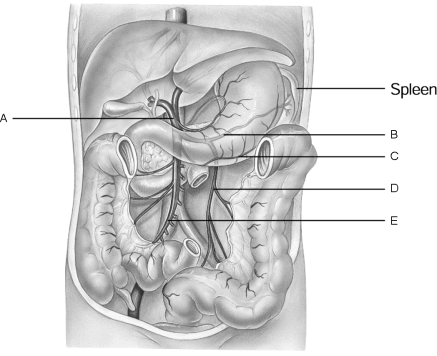 Figure 19.2Using Figure 19.2, match the following:
-List the major factors that are linked to essential hypertension and note which ones are controllable by the patient.
Figure 19.2Using Figure 19.2, match the following:
-List the major factors that are linked to essential hypertension and note which ones are controllable by the patient. (Essay)
4.7/5 (82)
(82) Atherosclerosis is a progressive disease of blood vessels that is responsible for millions of deaths each year. Describe the disease process, noting the involvement of specific cell/tissue types and molecules.
(Essay)
4.8/5 (67)
(67) The baroreceptors in the carotid sinus and aortic arch are sensitive to which of the following?
(Multiple Choice)
4.9/5 (99)
(99) 
Filters
- Essay(0)
- Multiple Choice(0)
- Short Answer(0)
- True False(0)
- Matching(0)