



 Chat with AI
Exam 10: The Muscular System

Exam 1: The Human Body: an Orientation100 Questions
Exam 2: Chemistry Comes Alive120 Questions
Exam 3: Cells: the Living Units119 Questions
Exam 4: Tissue: the Living Fabric97 Questions
Exam 5: The Integumentary System107 Questions
Exam 6: Bones and Skeletal Tissues94 Questions
Exam 7: The Skeleton102 Questions
Exam 8: Joints105 Questions
Exam 9: Muscles and Muscle Tissue109 Questions
Exam 10: The Muscular System109 Questions
Exam 11: Fundamentals of the Nervous System and Nervous Tissue95 Questions
Exam 12: The Central Nervous System132 Questions
Exam 13: The Peripheral Nervous System and Reflex Activity97 Questions
Exam 14: The Autonomic Nervous System96 Questions
Exam 15: The Special Senses127 Questions
Exam 16: The Endocrine System119 Questions
Exam 17: Blood99 Questions
Exam 18: The Cardiovascular System: the Heart94 Questions
Exam 19: The Cardiovascular System: Blood Vessels107 Questions
Exam 20: The Lymphatic System and Lymphoid Organs and Tissues95 Questions
Exam 21: The Immune System: Innate and Adaptive Body Defensives118 Questions
Exam 22: The Respiratory System120 Questions
Exam 23: The Digestive System145 Questions
Exam 24: Nutrition, Metabolism, and Body Temperature Regulation114 Questions
Exam 25: The Urinary System116 Questions
Exam 26: Fluid, Electrolyte, and Acid-Base Balance94 Questions
Exam 27: The Reproductive System126 Questions
Exam 28: Pregnancy and Human Development97 Questions
Exam 29: Heredity90 Questions
Select questions type


What muscle is primarily responsible for preventing foot drop?

Free
(Multiple Choice)
4.8/5  (81)
(81) Correct Answer: Verified
B
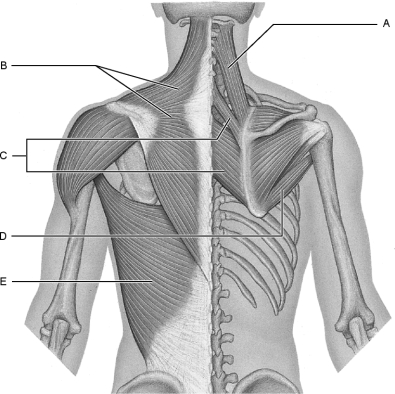 Figure 10.3Using Figure 10.3, match the following:
-An elderly woman, with extensive osteoarthritis of her left hip joint, entered the hospital to have a total hip joint replacement (prosthesis implantation). After surgery, her left hip had to be maintained in abduction to prevent dislocation of the prosthesis while healing was occurring. Physical therapy was prescribed to prevent atrophy of the adductor muscles during the interval of disuse. Name the adductor muscles and describe the action of each that was being prevented while the hip was adducted.
Figure 10.3Using Figure 10.3, match the following:
-An elderly woman, with extensive osteoarthritis of her left hip joint, entered the hospital to have a total hip joint replacement (prosthesis implantation). After surgery, her left hip had to be maintained in abduction to prevent dislocation of the prosthesis while healing was occurring. Physical therapy was prescribed to prevent atrophy of the adductor muscles during the interval of disuse. Name the adductor muscles and describe the action of each that was being prevented while the hip was adducted.Free
(Essay)
5.0/5 (80)
(80) Correct Answer:Verified
VerifiedGluteus maximus, gluteus medius, and gluteus minimus. These muscles originate on the pelvis; they act as major extensors of the thigh and abduct and rotate the thigh as well.
is a powerful forearm extensor.
Free
(Short Answer)
4.9/5 (67)
(67) Correct Answer:Verified
VerifiedTriceps brachii
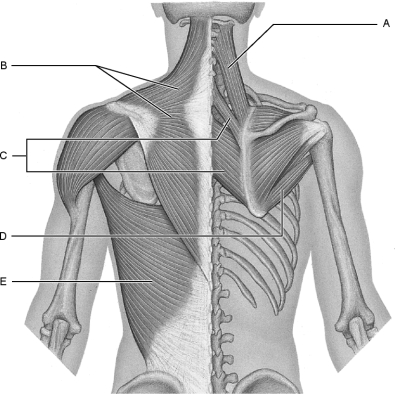 Figure 10.3Using Figure 10.3, match the following:
-Rotates scapula.
Figure 10.3Using Figure 10.3, match the following:
-Rotates scapula. (Short Answer)
4.8/5 (64)
(64) Which generalization concerning movement by skeletal muscles is not true?
(Multiple Choice)
4.9/5 (81)
(81) 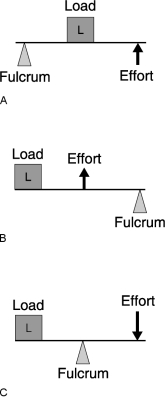 Figure 10.1Using Figure 10.1, match the following:
-The action of lifting a shovel of snow.
Figure 10.1Using Figure 10.1, match the following:
-The action of lifting a shovel of snow. (Short Answer)
4.8/5 (82)
(82) In order to propel food down to the esophagus, the pharyngeal constrictor muscles are used.
(True/False)
4.8/5 (84)
(84) Which of the following muscles does not act in plantar flexion?
(Multiple Choice)
5.0/5 (86)
(86) Spasms of this straplike muscle often result in wryneck or torticollis.
(Multiple Choice)
4.8/5 (81)
(81) The arrangement of a muscle's fascicles determines its range of motion and power.
(True/False)
4.7/5 (91)
(91) Which muscle group is involved when a "pulled groin" occurs?
(Multiple Choice)
4.9/5 (87)
(87) A muscle that opposes, or reverses, a particular movement is a(n) .
(Multiple Choice)
4.9/5 (86)
(86) What type of muscle assists an agonist by causing a like movement or by stabilizing a joint over which an agonist acts?
(Multiple Choice)
4.8/5 (87)
(87) 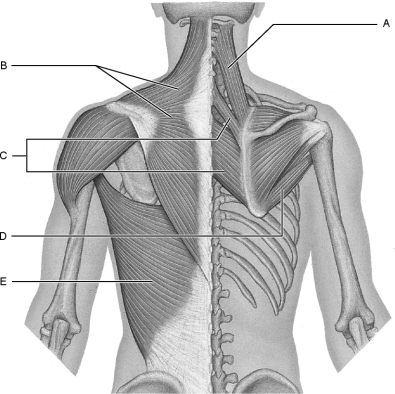 Figure 10.3Using Figure 10.3, match the following:
-Levator scapulae.
Figure 10.3Using Figure 10.3, match the following:
-Levator scapulae. (Short Answer)
4.9/5 (78)
(78) 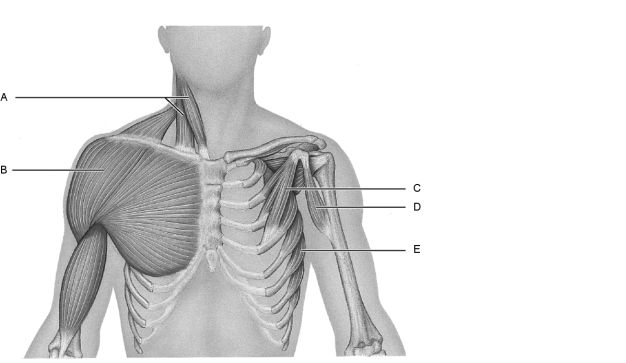 Figure 10.2Using Figure 10.2, match the following:
-A woman mentions to her friend that another person on the beach has "great abs." What is she talking about?
Figure 10.2Using Figure 10.2, match the following:
-A woman mentions to her friend that another person on the beach has "great abs." What is she talking about? (Essay)
4.9/5 (75)
(75) The muscle that prevents the biting of the cheek when chewing is the buccinator.
(True/False)
4.9/5 (84)
(84) A cute, little curly- haired child is sitting behind you in church. You turn around for a moment and she sticks her tongue out at you. Which tongue muscle did she use?
(Multiple Choice)
4.9/5 (84)
(84) What do the genioglossus, hyoglossus, and styloglossus muscles have in common?
(Multiple Choice)
4.7/5 (79)
(79) 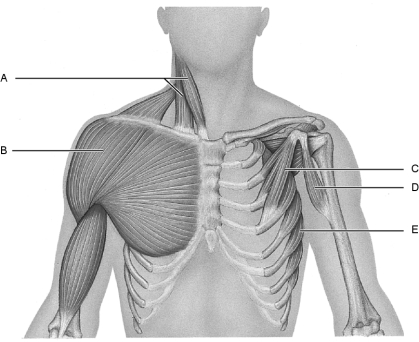 Figure 10.2Using Figure 10.2, match the following:
-Deltoid

Filters
- Essay(0)
- Multiple Choice(0)
- Short Answer(0)
- True False(0)
- Matching(0)