



 Chat with AI
Exam 10: The Muscular System

Exam 1: The Human Body: an Orientation100 Questions
Exam 2: Chemistry Comes Alive120 Questions
Exam 3: Cells: the Living Units119 Questions
Exam 4: Tissue: the Living Fabric97 Questions
Exam 5: The Integumentary System107 Questions
Exam 6: Bones and Skeletal Tissues94 Questions
Exam 7: The Skeleton102 Questions
Exam 8: Joints105 Questions
Exam 9: Muscles and Muscle Tissue109 Questions
Exam 10: The Muscular System109 Questions
Exam 11: Fundamentals of the Nervous System and Nervous Tissue95 Questions
Exam 12: The Central Nervous System132 Questions
Exam 13: The Peripheral Nervous System and Reflex Activity97 Questions
Exam 14: The Autonomic Nervous System96 Questions
Exam 15: The Special Senses127 Questions
Exam 16: The Endocrine System119 Questions
Exam 17: Blood99 Questions
Exam 18: The Cardiovascular System: the Heart94 Questions
Exam 19: The Cardiovascular System: Blood Vessels107 Questions
Exam 20: The Lymphatic System and Lymphoid Organs and Tissues95 Questions
Exam 21: The Immune System: Innate and Adaptive Body Defensives118 Questions
Exam 22: The Respiratory System120 Questions
Exam 23: The Digestive System145 Questions
Exam 24: Nutrition, Metabolism, and Body Temperature Regulation114 Questions
Exam 25: The Urinary System116 Questions
Exam 26: Fluid, Electrolyte, and Acid-Base Balance94 Questions
Exam 27: The Reproductive System126 Questions
Exam 28: Pregnancy and Human Development97 Questions
Exam 29: Heredity90 Questions
Select questions type


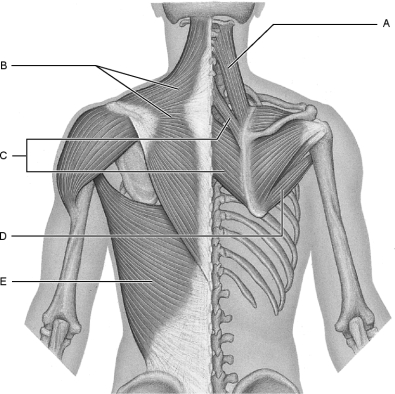 Figure 10.3Using Figure 10.3, match the following:
-Retract scapula.
Figure 10.3Using Figure 10.3, match the following:
-Retract scapula. (Short Answer)
4.8/5  (87)
(87) 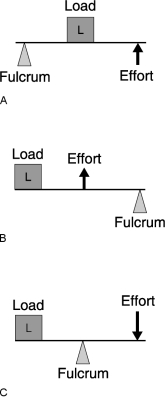 Figure 10.1Using Figure 10.1, match the following:
-First- class lever.
Figure 10.1Using Figure 10.1, match the following:
-First- class lever. (Short Answer)
4.8/5 (71)
(71) 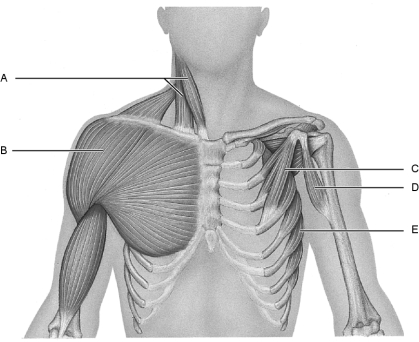 Figure 10.2Using Figure 10.2, match the following:
-Pectoralis minor.
Figure 10.2Using Figure 10.2, match the following:
-Pectoralis minor. (Short Answer)
4.9/5 (85)
(85) 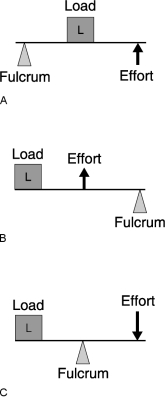 Figure 10.1Using Figure 10.1, match the following:
-Bodybuilders are known for their "great quads." Describe the quadriceps muscles.
Figure 10.1Using Figure 10.1, match the following:
-Bodybuilders are known for their "great quads." Describe the quadriceps muscles. (Essay)
4.9/5 (76)
(76) The helps keep food between the grinding surfaces of the teeth during chewing.
(Short Answer)
4.9/5 (74)
(74) 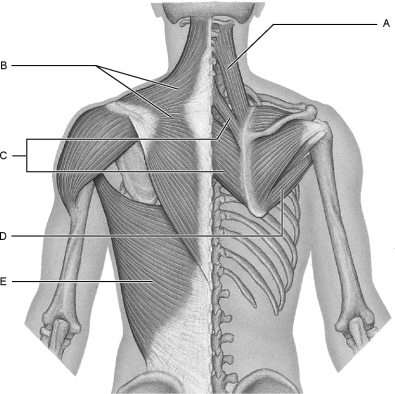 Figure 10.3Using Figure 10.3, match the following:
-The latissimus dorsi.
Figure 10.3Using Figure 10.3, match the following:
-The latissimus dorsi. (Short Answer)
4.8/5 (83)
(83) Which of the following muscles fixes and depresses the ribs and stabilizes the pelvis during walking?
(Multiple Choice)
4.9/5 (83)
(83) Paralysis of which of the following would make an individual unable to flex the thigh?
(Multiple Choice)
4.8/5 (68)
(68) What are the levers that operate at a mechanical advantage called?
(Multiple Choice)
4.9/5 (86)
(86) 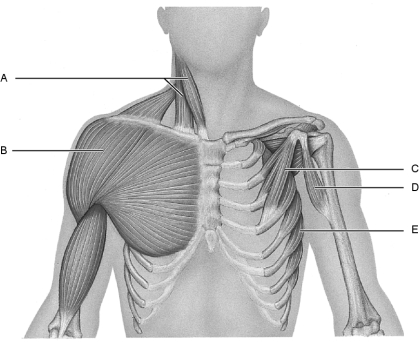 Figure 10.2Using Figure 10.2, match the following:
-Sternocleidomastoid
Figure 10.2Using Figure 10.2, match the following:
-Sternocleidomastoid (Short Answer)
4.9/5 (78)
(78) 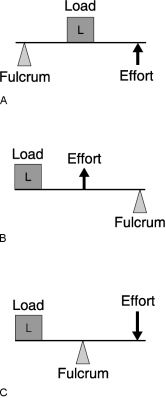 Figure 10.1Using Figure 10.1, match the following:
-The extends the great toe.
Figure 10.1Using Figure 10.1, match the following:
-The extends the great toe. (Short Answer)
4.9/5 (95)
(95) Figure 10.1Using Figure 10.1, match the following:
-Atlanto- occipital joint.
Figure 10.1Using Figure 10.1, match the following:
-Atlanto- occipital joint. (Short Answer)
4.9/5 (73)
(73) The patient has a stroke and has weakness on his right side. How will the weakness affect his ability to swallow?
(Essay)
4.7/5 (78)
(78) Tennis players often complain about pain in the arm (forearm) that swings the racquet. What muscle is usually strained under these conditions?
(Multiple Choice)
5.0/5 (81)
(81) Which of the following muscles is involved in crossing one leg over the other while in a sitting position?
(Multiple Choice)
4.9/5 (74)
(74) If a lever operates at a mechanical disadvantage, it means that the .
(Multiple Choice)
4.8/5 (74)
(74) The major head flexors are the sternocleidomastoid muscles, with the help of the muscles attached to the hyoid bone.
(True/False)
4.8/5 (69)
(69) What are the components of a lever system? Describe the role of each component.
(Essay)
4.9/5 (83)
(83) 
Filters
- Essay(0)
- Multiple Choice(0)
- Short Answer(0)
- True False(0)
- Matching(0)