



 Chat with AI
Exam 3: Cells: the Living Units

Exam 1: The Human Body: an Orientation100 Questions
Exam 2: Chemistry Comes Alive120 Questions
Exam 3: Cells: the Living Units119 Questions
Exam 4: Tissue: the Living Fabric97 Questions
Exam 5: The Integumentary System107 Questions
Exam 6: Bones and Skeletal Tissues94 Questions
Exam 7: The Skeleton102 Questions
Exam 8: Joints105 Questions
Exam 9: Muscles and Muscle Tissue109 Questions
Exam 10: The Muscular System109 Questions
Exam 11: Fundamentals of the Nervous System and Nervous Tissue95 Questions
Exam 12: The Central Nervous System132 Questions
Exam 13: The Peripheral Nervous System and Reflex Activity97 Questions
Exam 14: The Autonomic Nervous System96 Questions
Exam 15: The Special Senses127 Questions
Exam 16: The Endocrine System119 Questions
Exam 17: Blood99 Questions
Exam 18: The Cardiovascular System: the Heart94 Questions
Exam 19: The Cardiovascular System: Blood Vessels107 Questions
Exam 20: The Lymphatic System and Lymphoid Organs and Tissues95 Questions
Exam 21: The Immune System: Innate and Adaptive Body Defensives118 Questions
Exam 22: The Respiratory System120 Questions
Exam 23: The Digestive System145 Questions
Exam 24: Nutrition, Metabolism, and Body Temperature Regulation114 Questions
Exam 25: The Urinary System116 Questions
Exam 26: Fluid, Electrolyte, and Acid-Base Balance94 Questions
Exam 27: The Reproductive System126 Questions
Exam 28: Pregnancy and Human Development97 Questions
Exam 29: Heredity90 Questions
Select questions type


Which of the following describes the plasma membrane?

Free
(Multiple Choice)
4.8/5  (76)
(76) Correct Answer: Verified
B
Lipid rafts, found in the cell outer membrane surface, are concentrating platforms for certain receptor molecules or for protein molecules needed for cell signaling..
Free
(True/False)
4.9/5 (76)
(76) Correct Answer:Verified
VerifiedTrue
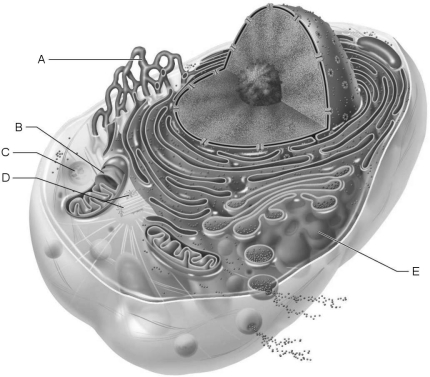 Figure 3.1Using Figure 3.1, match the following:
-Packages proteins for insertion in the cell membrane or for exocytosis.
Figure 3.1Using Figure 3.1, match the following:
-Packages proteins for insertion in the cell membrane or for exocytosis.Free
(Short Answer)
4.9/5 (76)
(76) Correct Answer:Verified
VerifiedE
Cholesterol helps to stabilize the cell membrane while decreasing the mobility of the phospholipids.
(True/False)
4.9/5 (71)
(71) 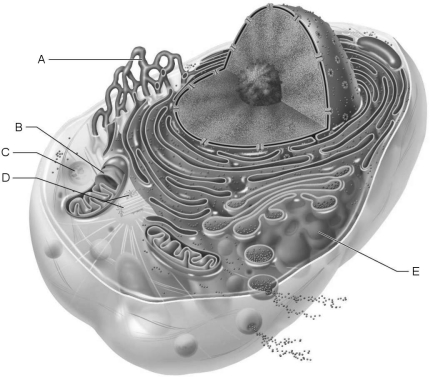 Figure 3.1Using Figure 3.1, match the following:
-How are the products of free ribosomes different from membrane- bound ribosomes?
Figure 3.1Using Figure 3.1, match the following:
-How are the products of free ribosomes different from membrane- bound ribosomes? (Essay)
4.8/5 (75)
(75) Caveolae are closely associated with all of the following except .
(Multiple Choice)
4.8/5 (90)
(90) Riboswitches are folded RNAs that act as switches to turn protein synthesis on or off in response to
)
(Multiple Choice)
4.7/5 (80)
(80) A process by which large particles may be taken into the protection of the body by invaders like bacteria, or for disposing of old or dead cells is called phagocytosis.
(True/False)
4.8/5 (84)
(84) In osmosis, movement of water occurs toward the solution with the lower solute concentration.
(True/False)
4.9/5 (85)
(85) If cells are placed in a hypertonic solution containing a solute to which the membrane is impermeable, what could happen?
(Multiple Choice)
4.8/5 (80)
(80) In their resting state, all body cells exhibit a resting membrane potential ranging from - 50 to about
+50 millivolts.
(True/False)
4.9/5 (78)
(78) In which stage of mitosis do the identical sets of chromosomes uncoil and resume their chromatin form?
(Multiple Choice)
4.8/5 (91)
(91) Research shows that neurofibrillary tangles associated with the disintegration of microtubules are the primary cause of Alzheimer's disease. If microtubules disintegrate, what then might happen to brain cells?
(Essay)
4.7/5 (74)
(74) Your patient has a respiratory disease that has literally paralyzed the cilia. Explain why this patient would be at an increased risk for a respiratory infection.
(Essay)
4.9/5 (88)
(88) 
Filters
- Essay(0)
- Multiple Choice(0)
- Short Answer(0)
- True False(0)
- Matching(0)