



 Chat with AI
Exam 3: Cells: the Living Units

Exam 1: The Human Body: an Orientation100 Questions
Exam 2: Chemistry Comes Alive120 Questions
Exam 3: Cells: the Living Units119 Questions
Exam 4: Tissue: the Living Fabric97 Questions
Exam 5: The Integumentary System107 Questions
Exam 6: Bones and Skeletal Tissues94 Questions
Exam 7: The Skeleton102 Questions
Exam 8: Joints105 Questions
Exam 9: Muscles and Muscle Tissue109 Questions
Exam 10: The Muscular System109 Questions
Exam 11: Fundamentals of the Nervous System and Nervous Tissue95 Questions
Exam 12: The Central Nervous System132 Questions
Exam 13: The Peripheral Nervous System and Reflex Activity97 Questions
Exam 14: The Autonomic Nervous System96 Questions
Exam 15: The Special Senses127 Questions
Exam 16: The Endocrine System119 Questions
Exam 17: Blood99 Questions
Exam 18: The Cardiovascular System: the Heart94 Questions
Exam 19: The Cardiovascular System: Blood Vessels107 Questions
Exam 20: The Lymphatic System and Lymphoid Organs and Tissues95 Questions
Exam 21: The Immune System: Innate and Adaptive Body Defensives118 Questions
Exam 22: The Respiratory System120 Questions
Exam 23: The Digestive System145 Questions
Exam 24: Nutrition, Metabolism, and Body Temperature Regulation114 Questions
Exam 25: The Urinary System116 Questions
Exam 26: Fluid, Electrolyte, and Acid-Base Balance94 Questions
Exam 27: The Reproductive System126 Questions
Exam 28: Pregnancy and Human Development97 Questions
Exam 29: Heredity90 Questions
Select questions type


The speed of individual particle diffusion is influenced by temperature and particle size, not by concentration.
(True/False)
4.8/5  (84)
(84) 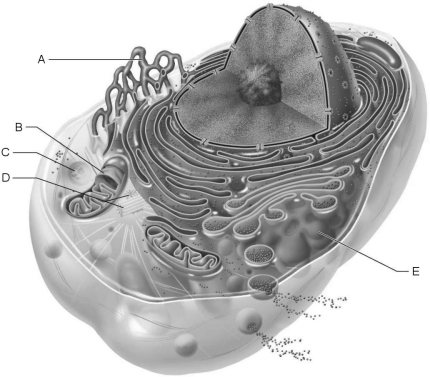 Figure 3.1Using Figure 3.1, match the following:
-Replicate for cell division.
Figure 3.1Using Figure 3.1, match the following:
-Replicate for cell division. (Short Answer)
4.8/5 (84)
(84) Which of the following statements is most correct regarding the intracellular chemical signals known as "second messengers"?
(Multiple Choice)
4.9/5 (71)
(71) 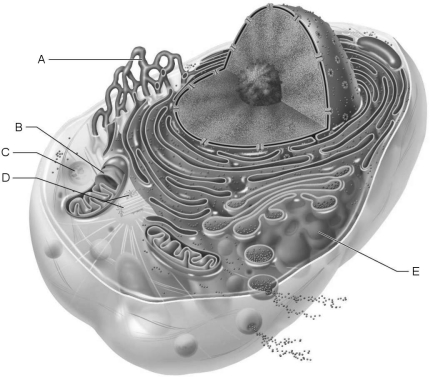 Figure 3.1Using Figure 3.1, match the following:
-The RNA that has an anticodon and attaches to a specific amino acid is RNA.
Figure 3.1Using Figure 3.1, match the following:
-The RNA that has an anticodon and attaches to a specific amino acid is RNA. (Short Answer)
5.0/5 (75)
(75) 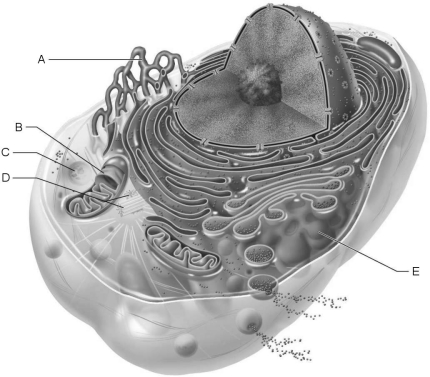 Figure 3.1Using Figure 3.1, match the following:
-In all living cells hydrostatic and osmotic pressures exist. Define these pressures and explain how they are used in the concept of tonicity of the cell.
Figure 3.1Using Figure 3.1, match the following:
-In all living cells hydrostatic and osmotic pressures exist. Define these pressures and explain how they are used in the concept of tonicity of the cell. (Essay)
4.8/5 (70)
(70) Figure 3.1Using Figure 3.1, match the following:
-Why can we say that cells are protein factories?
Figure 3.1Using Figure 3.1, match the following:
-Why can we say that cells are protein factories? (Essay)
4.9/5 (87)
(87) Which statement is the most correct regarding transcription/translation?
(Multiple Choice)
4.8/5 (83)
(83) If the nucleotide or base sequence of the DNA strand used as a template for messenger RNA synthesis is ACGTT, then what would be the sequence of bases in the corresponding mRNA?
(Multiple Choice)
4.8/5 (73)
(73) Which of the following does not serve as a signal for cell division?
(Multiple Choice)
4.9/5 (78)
(78) 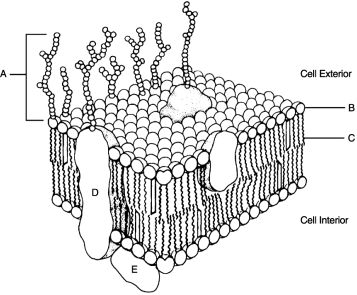 Figure 3.2Using Figure 3.2, match the following:
-Hollow cylinders that connect plasma membranes composed of transmembrane protein are called .
Figure 3.2Using Figure 3.2, match the following:
-Hollow cylinders that connect plasma membranes composed of transmembrane protein are called . (Short Answer)
4.8/5 (92)
(92) Interstitial fluid represents one type of extracellular material.
(True/False)
4.8/5 (85)
(85) 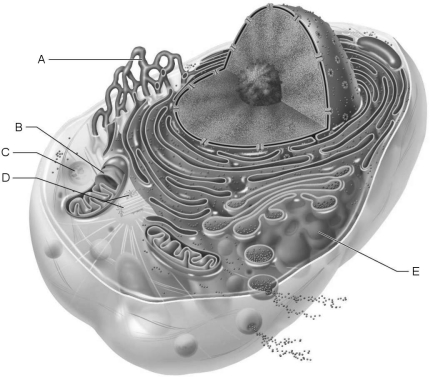 Figure 3.1Using Figure 3.1, match the following:
-Forms the mitotic spindle.
Figure 3.1Using Figure 3.1, match the following:
-Forms the mitotic spindle. (Short Answer)
4.9/5 (83)
(83) Which of the following would not be a constituent of a plasma membrane?
(Multiple Choice)
4.8/5 (82)
(82) 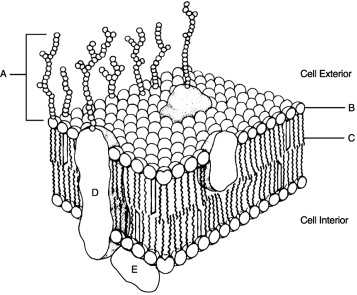 Figure 3.2Using Figure 3.2, match the following:
-Nonpolar region of phospholipid.
Figure 3.2Using Figure 3.2, match the following:
-Nonpolar region of phospholipid. (Short Answer)
4.8/5 (74)
(74) Introns represent a genome scrap yard that provides DNA segments for genome evolution and a variety of small RNA molecules.
(True/False)
5.0/5 (75)
(75) The glycocalyx is often referred to as the "cell coat," which is somewhat fuzzy and sticky with numerous cholesterol chains sticking out from the surface of the cell membrane.
(True/False)
4.9/5 (71)
(71) 
Filters
- Essay(0)
- Multiple Choice(0)
- Short Answer(0)
- True False(0)
- Matching(0)