



 Chat with AI
Exam 3: Cells: the Living Units

Exam 1: The Human Body: an Orientation100 Questions
Exam 2: Chemistry Comes Alive120 Questions
Exam 3: Cells: the Living Units119 Questions
Exam 4: Tissue: the Living Fabric97 Questions
Exam 5: The Integumentary System107 Questions
Exam 6: Bones and Skeletal Tissues94 Questions
Exam 7: The Skeleton102 Questions
Exam 8: Joints105 Questions
Exam 9: Muscles and Muscle Tissue109 Questions
Exam 10: The Muscular System109 Questions
Exam 11: Fundamentals of the Nervous System and Nervous Tissue95 Questions
Exam 12: The Central Nervous System132 Questions
Exam 13: The Peripheral Nervous System and Reflex Activity97 Questions
Exam 14: The Autonomic Nervous System96 Questions
Exam 15: The Special Senses127 Questions
Exam 16: The Endocrine System119 Questions
Exam 17: Blood99 Questions
Exam 18: The Cardiovascular System: the Heart94 Questions
Exam 19: The Cardiovascular System: Blood Vessels107 Questions
Exam 20: The Lymphatic System and Lymphoid Organs and Tissues95 Questions
Exam 21: The Immune System: Innate and Adaptive Body Defensives118 Questions
Exam 22: The Respiratory System120 Questions
Exam 23: The Digestive System145 Questions
Exam 24: Nutrition, Metabolism, and Body Temperature Regulation114 Questions
Exam 25: The Urinary System116 Questions
Exam 26: Fluid, Electrolyte, and Acid-Base Balance94 Questions
Exam 27: The Reproductive System126 Questions
Exam 28: Pregnancy and Human Development97 Questions
Exam 29: Heredity90 Questions
Select questions type


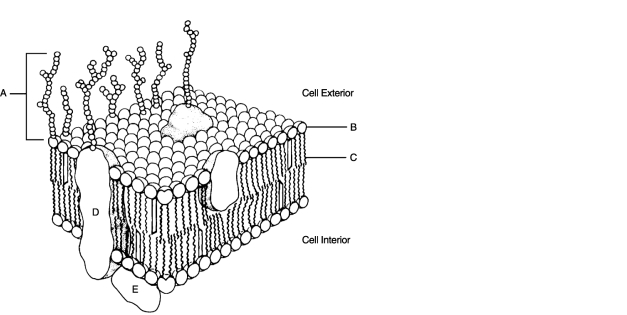 Figure 3.2Using Figure 3.2, match the following:
-Identification "tags" for the cell.
Figure 3.2Using Figure 3.2, match the following:
-Identification "tags" for the cell. (Short Answer)
4.8/5  (78)
(78) Final preparation for cell division is made during the cell life cycle subphase called G2.
(True/False)
4.9/5 (81)
(81) Explain the term genetic code. What does it code for? What are the letters of the code?
(Essay)
4.8/5 (92)
(92) Aquaporins are believed to be present in red blood cells and kidney tubules, but not in any other cells in the body.
(True/False)
4.9/5 (79)
(79) Which transport process is the main mechanism for the movement of most macromolecules by body cells?
(Multiple Choice)
4.8/5 (82)
(82) 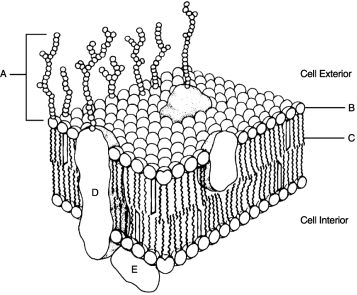 Figure 3.2Using Figure 3.2, match the following:
-Polar region of phospholipid.
Figure 3.2Using Figure 3.2, match the following:
-Polar region of phospholipid. (Short Answer)
4.9/5 (79)
(79) A red blood cell would swell if its surrounding solution were .
(Short Answer)
4.8/5 (85)
(85) 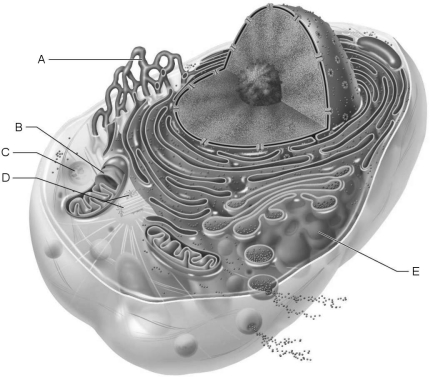 Figure 3.1Using Figure 3.1, match the following:
-Site of synthesis of lipid and steroid molecules.
Figure 3.1Using Figure 3.1, match the following:
-Site of synthesis of lipid and steroid molecules. (Short Answer)
4.8/5 (72)
(72) 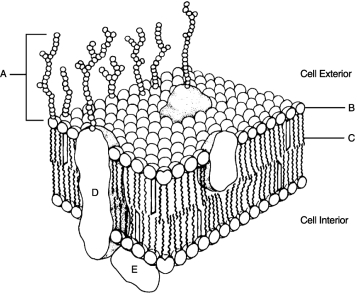 Figure 3.2Using Figure 3.2, match the following:
-Hydrophilic portion of phospholipid.
Figure 3.2Using Figure 3.2, match the following:
-Hydrophilic portion of phospholipid. (Short Answer)
4.7/5 (87)
(87) Describe the difference in cell division between normal cells and cancer cells.
(Essay)
4.8/5 (76)
(76) Which of the following is a function of a plasma membrane protein?
(Multiple Choice)
4.7/5 (93)
(93) If a tRNA had an AGC anticodon, it could attach to a(n) mRNA codon.
(Multiple Choice)
4.9/5 (90)
(90) Microfilaments are thin strands of the contractile protein myosin.
(True/False)
4.8/5 (90)
(90) Which of the following statements is correct regarding net diffusion?
(Multiple Choice)
4.9/5 (72)
(72) Which of the following is FALSE regarding the membrane potential?
(Multiple Choice)
4.9/5 (68)
(68) A patient was admitted to the hospital for severe dehydration. Explain what changes occur in extracellular and intracellular fluid compartments during dehydration.
(Essay)
4.8/5 (71)
(71) 
Filters
- Essay(0)
- Multiple Choice(0)
- Short Answer(0)
- True False(0)
- Matching(0)