



 Chat with AI
Exam 2: Chemistry Comes Alive

Exam 1: The Human Body: an Orientation100 Questions
Exam 2: Chemistry Comes Alive120 Questions
Exam 3: Cells: the Living Units119 Questions
Exam 4: Tissue: the Living Fabric97 Questions
Exam 5: The Integumentary System107 Questions
Exam 6: Bones and Skeletal Tissues94 Questions
Exam 7: The Skeleton102 Questions
Exam 8: Joints105 Questions
Exam 9: Muscles and Muscle Tissue109 Questions
Exam 10: The Muscular System109 Questions
Exam 11: Fundamentals of the Nervous System and Nervous Tissue95 Questions
Exam 12: The Central Nervous System132 Questions
Exam 13: The Peripheral Nervous System and Reflex Activity97 Questions
Exam 14: The Autonomic Nervous System96 Questions
Exam 15: The Special Senses127 Questions
Exam 16: The Endocrine System119 Questions
Exam 17: Blood99 Questions
Exam 18: The Cardiovascular System: the Heart94 Questions
Exam 19: The Cardiovascular System: Blood Vessels107 Questions
Exam 20: The Lymphatic System and Lymphoid Organs and Tissues95 Questions
Exam 21: The Immune System: Innate and Adaptive Body Defensives118 Questions
Exam 22: The Respiratory System120 Questions
Exam 23: The Digestive System145 Questions
Exam 24: Nutrition, Metabolism, and Body Temperature Regulation114 Questions
Exam 25: The Urinary System116 Questions
Exam 26: Fluid, Electrolyte, and Acid-Base Balance94 Questions
Exam 27: The Reproductive System126 Questions
Exam 28: Pregnancy and Human Development97 Questions
Exam 29: Heredity90 Questions
Select questions type


A 65- year- old patient came to the emergency room with complaints of severe heartburn unrelieved by taking a "large handful" of antacids. Would you expect the pH to be high or low? Explain why.

Free
(Essay)
4.8/5  (77)
(77) Correct Answer: Verified
You would expect a high pH. Taking antacids will neutralize the acidic stomach. Taking a "handful" of antacids can cause an alkaloid state. Certain drugs, such as corticosteroids and antacids that contain baking soda, will lead to metabolic alkalosis.
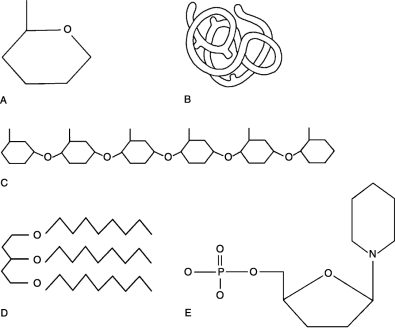 Figure 2.1Using Figure 2.1, match the following:
-Functional protein
Figure 2.1Using Figure 2.1, match the following:
-Functional proteinFree
(Short Answer)
4.9/5 (90)
(90) Correct Answer:Verified
VerifiedB
The single most abundant protein in the body is _ _.
Free
(Multiple Choice)
4.9/5 (78)
(78) Correct Answer:Verified
VerifiedA
Which of the following does not describe uses for the ATP molecule?
(Multiple Choice)
5.0/5 (67)
(67) 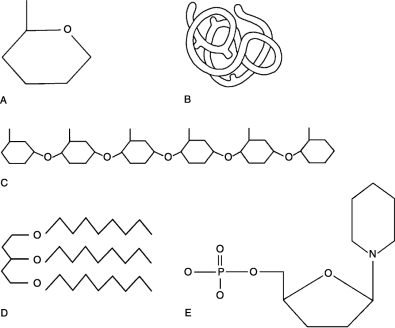 Figure 2.1Using Figure 2.1, match the following:
-Lipid
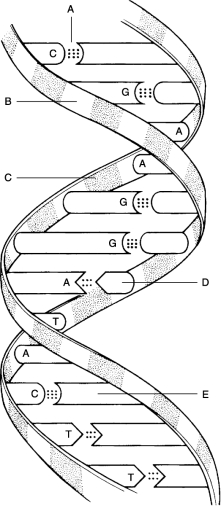 Figure 2.2Using Figure 2.2, match the following:
-Guanine
Brenda is a 26- year- old female who is being discharged from the hospital after a vaginal delivery of an
8- pound healthy infant. Brenda is instructed by the nurse to eat a diet high in fiber and to drink 8 glasses of water per day to prevent constipation. Explain the role of fiber and water to promote defecation.
(Essay)
4.9/5 (78)
(78) 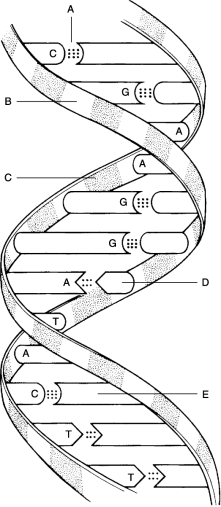 Figure 2.2Using Figure 2.2, match the following:
-Hydrogen bonds
Figure 2.2Using Figure 2.2, match the following:
-Hydrogen bonds (Short Answer)
4.8/5 (81)
(81) If atom X has an atomic number of 74 it would have which of the following?
(Multiple Choice)
5.0/5 (75)
(75) Molecules such as methane that are made of atoms that share electrons have bonds.
(Short Answer)
4.8/5 (92)
(92) Buffers resist abrupt and large changes in the pH of the body by releasing or binding ions.
(True/False)
4.8/5 (83)
(83) A chemical bond is an energy relationship between outer electrons and neighboring atoms.
(True/False)
4.8/5 (90)
(90) About 60% to 80% of the volume of most living cells consists of organic compounds.
(True/False)
4.8/5 (73)
(73) 
Filters
- Essay(0)
- Multiple Choice(0)
- Short Answer(0)
- True False(0)
- Matching(0)