



 Chat with AI
Exam 2: Chemistry Comes Alive

Exam 1: The Human Body: an Orientation100 Questions
Exam 2: Chemistry Comes Alive120 Questions
Exam 3: Cells: the Living Units119 Questions
Exam 4: Tissue: the Living Fabric97 Questions
Exam 5: The Integumentary System107 Questions
Exam 6: Bones and Skeletal Tissues94 Questions
Exam 7: The Skeleton102 Questions
Exam 8: Joints105 Questions
Exam 9: Muscles and Muscle Tissue109 Questions
Exam 10: The Muscular System109 Questions
Exam 11: Fundamentals of the Nervous System and Nervous Tissue95 Questions
Exam 12: The Central Nervous System132 Questions
Exam 13: The Peripheral Nervous System and Reflex Activity97 Questions
Exam 14: The Autonomic Nervous System96 Questions
Exam 15: The Special Senses127 Questions
Exam 16: The Endocrine System119 Questions
Exam 17: Blood99 Questions
Exam 18: The Cardiovascular System: the Heart94 Questions
Exam 19: The Cardiovascular System: Blood Vessels107 Questions
Exam 20: The Lymphatic System and Lymphoid Organs and Tissues95 Questions
Exam 21: The Immune System: Innate and Adaptive Body Defensives118 Questions
Exam 22: The Respiratory System120 Questions
Exam 23: The Digestive System145 Questions
Exam 24: Nutrition, Metabolism, and Body Temperature Regulation114 Questions
Exam 25: The Urinary System116 Questions
Exam 26: Fluid, Electrolyte, and Acid-Base Balance94 Questions
Exam 27: The Reproductive System126 Questions
Exam 28: Pregnancy and Human Development97 Questions
Exam 29: Heredity90 Questions
Select questions type


What level of protein synthesis is represented by the coiling of the protein chain backbone into an alpha helix?
(Multiple Choice)
4.8/5  (90)
(90) 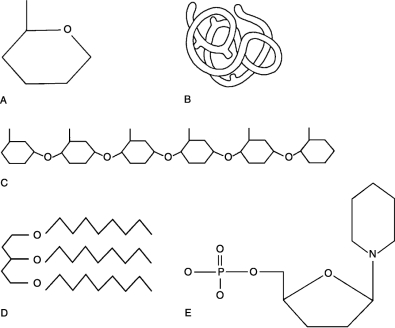 Figure 2.1Using Figure 2.1, match the following:
-Polymer
If all protons, electrons, and neutrons are alike, regardless of the atom considered, what determines the unique properties of each element?
(Essay)
4.8/5 (90)
(90) 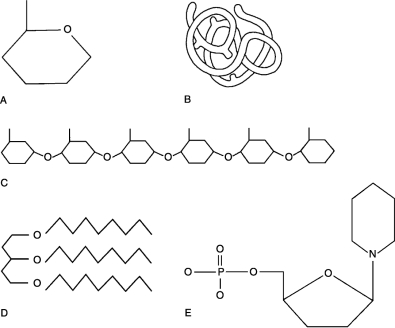 Figure 2.1Using Figure 2.1, match the following:
-Tertiary (protein) structure
Figure 2.1Using Figure 2.1, match the following:
-Tertiary (protein) structure (Short Answer)
4.7/5 (69)
(69) 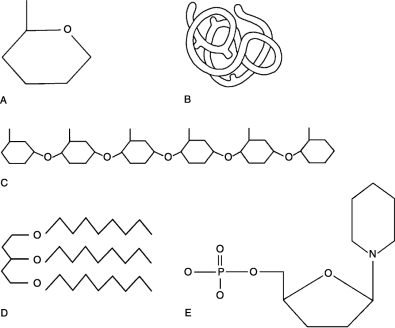 Figure 2.1Using Figure 2.1, match the following:
-Are all chemical reactions reversible? If not, why aren't they all reversible?
Figure 2.1Using Figure 2.1, match the following:
-Are all chemical reactions reversible? If not, why aren't they all reversible? (Essay)
4.8/5 (81)
(81) 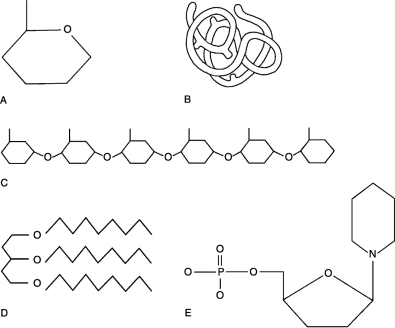 Figure 2.1Using Figure 2.1, match the following:
-Monosaccharide
Figure 2.1Using Figure 2.1, match the following:
-Monosaccharide (Short Answer)
4.8/5 (77)
(77) 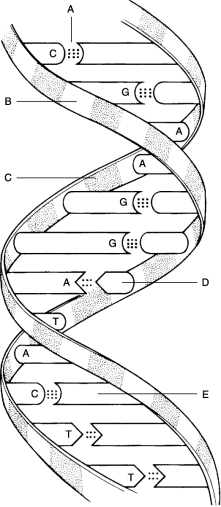 Figure 2.2Using Figure 2.2, match the following:
-Phosphate
Hydrogen bonds are too weak to bind atoms together to form molecules but are important intramolecular bonds.
(True/False)
4.8/5 (81)
(81) Which protein types are vitally important to cell function in all types of stressful circumstances?
(Multiple Choice)
4.9/5 (80)
(80) What is the ratio of fatty acids to glycerol in neutral fats?
(Multiple Choice)
4.8/5 (88)
(88) is fat soluble, produced in the skin on exposure to UV radiation, and necessary for normal bone growth and function.
(Multiple Choice)
4.9/5 (89)
(89) 
Filters
- Essay(0)
- Multiple Choice(0)
- Short Answer(0)
- True False(0)
- Matching(0)