



 Chat with AI
Exam 1: The Human Body: an Orientation

Exam 1: The Human Body: an Orientation100 Questions
Exam 2: Chemistry Comes Alive120 Questions
Exam 3: Cells: the Living Units119 Questions
Exam 4: Tissue: the Living Fabric97 Questions
Exam 5: The Integumentary System107 Questions
Exam 6: Bones and Skeletal Tissues94 Questions
Exam 7: The Skeleton102 Questions
Exam 8: Joints105 Questions
Exam 9: Muscles and Muscle Tissue109 Questions
Exam 10: The Muscular System109 Questions
Exam 11: Fundamentals of the Nervous System and Nervous Tissue95 Questions
Exam 12: The Central Nervous System132 Questions
Exam 13: The Peripheral Nervous System and Reflex Activity97 Questions
Exam 14: The Autonomic Nervous System96 Questions
Exam 15: The Special Senses127 Questions
Exam 16: The Endocrine System119 Questions
Exam 17: Blood99 Questions
Exam 18: The Cardiovascular System: the Heart94 Questions
Exam 19: The Cardiovascular System: Blood Vessels107 Questions
Exam 20: The Lymphatic System and Lymphoid Organs and Tissues95 Questions
Exam 21: The Immune System: Innate and Adaptive Body Defensives118 Questions
Exam 22: The Respiratory System120 Questions
Exam 23: The Digestive System145 Questions
Exam 24: Nutrition, Metabolism, and Body Temperature Regulation114 Questions
Exam 25: The Urinary System116 Questions
Exam 26: Fluid, Electrolyte, and Acid-Base Balance94 Questions
Exam 27: The Reproductive System126 Questions
Exam 28: Pregnancy and Human Development97 Questions
Exam 29: Heredity90 Questions
Select questions type


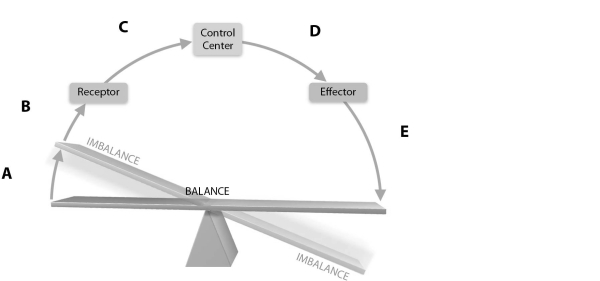 Figure 1.2Using Figure 1.2, match the following regions:
-The term that describes the neck region is _ .
Figure 1.2Using Figure 1.2, match the following regions:
-The term that describes the neck region is _ .
Free
(Short Answer)
4.8/5  (75)
(75) Correct Answer: Verified
cervical
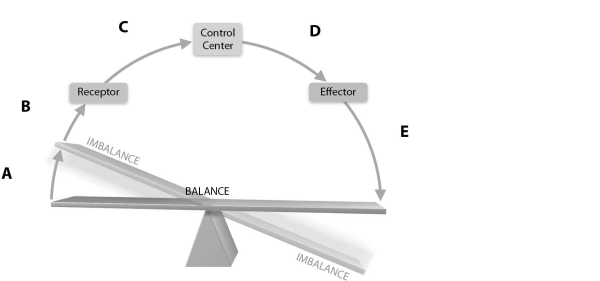 Figure 1.2Using Figure 1.2, match the following regions:
-Why must a normal body temperature be maintained in order for chemical reactions to be continued at life- sustaining rates?
Figure 1.2Using Figure 1.2, match the following regions:
-Why must a normal body temperature be maintained in order for chemical reactions to be continued at life- sustaining rates?Free
(Essay)
4.9/5 (82)
(82) Correct Answer:Verified
VerifiedIf body temperature is too low, chemical reactions slow and eventually stop. If body temperature is too high, chemical reactions speed up and body proteins lose their normal shape, resulting in loss of function.
Which of the following statements is the most correct regarding homeostatic imbalance?
Free
(Multiple Choice)
4.7/5 (78)
(78) Correct Answer:Verified
VerifiedC
Choose the anatomical topic and definition that is not correctly matched.
(Multiple Choice)
4.9/5 (70)
(70) 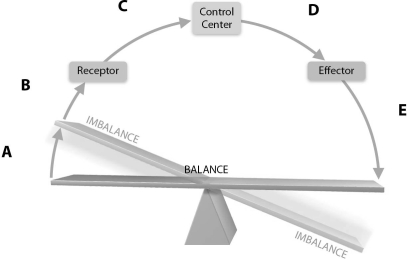 Figure 1.2Using Figure 1.2, match the following regions:
-Output.
Figure 1.2Using Figure 1.2, match the following regions:
-Output. (Short Answer)
4.9/5 (83)
(83) Steve was injured in a football accident. X- ray examination showed a fracture underlying his left brachial deformity. What part of his body was injured?
(Short Answer)
4.7/5 (80)
(80) Figure 1.2Using Figure 1.2, match the following regions:
-Response.
Figure 1.2Using Figure 1.2, match the following regions:
-Response. (Short Answer)
4.9/5 (73)
(73) 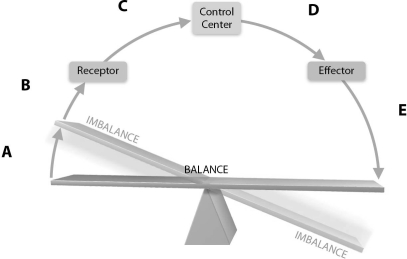 Figure 1.2Using Figure 1.2, match the following regions:
-Similar cells that have a common function are called .
Figure 1.2Using Figure 1.2, match the following regions:
-Similar cells that have a common function are called . (Short Answer)
5.0/5 (83)
(83) 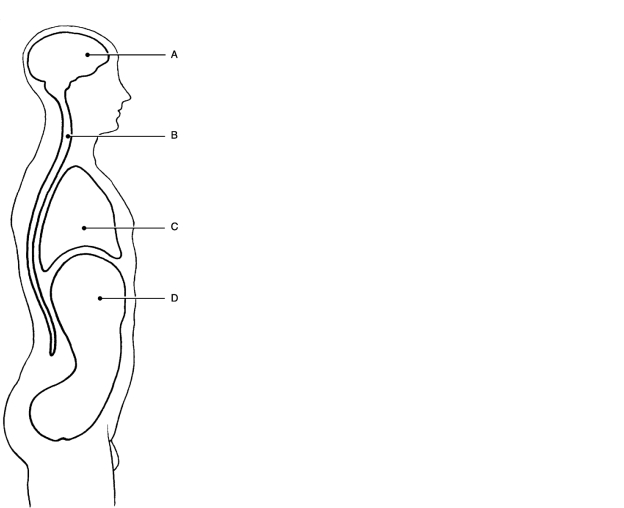 Figure 1.1Using Figure 1.1, match the following cavities:
-The five unique cavities of the head are cranial, oral, nasal, middle ear, and .
Figure 1.1Using Figure 1.1, match the following cavities:
-The five unique cavities of the head are cranial, oral, nasal, middle ear, and . (Short Answer)
4.7/5 (81)
(81) The dorsal body cavity is the site of which of the following?
(Multiple Choice)
4.9/5 (83)
(83) 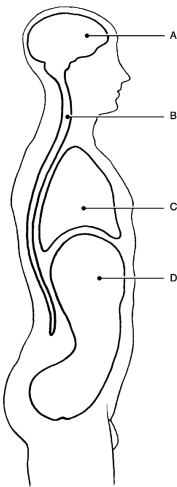 Figure 1.1Using Figure 1.1, match the following cavities:
-Vertebral cavity.
Figure 1.1Using Figure 1.1, match the following cavities:
-Vertebral cavity. (Short Answer)
4.8/5 (84)
(84) 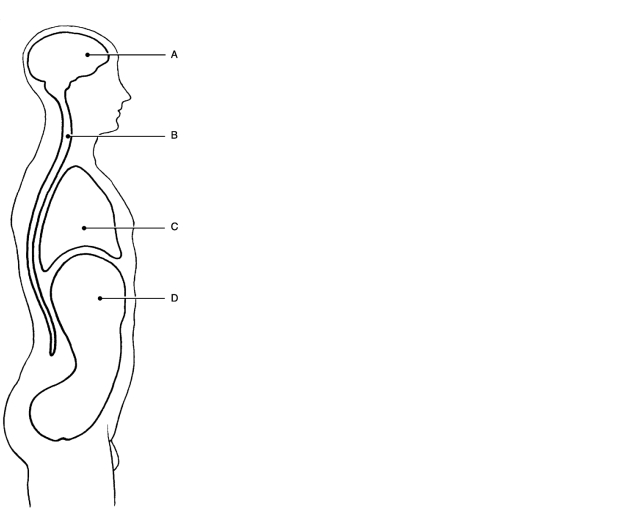 Figure 1.1Using Figure 1.1, match the following cavities:
-Abdominal cavity.
Figure 1.1Using Figure 1.1, match the following cavities:
-Abdominal cavity. (Short Answer)
4.8/5 (91)
(91) Embryology concerns the structural changes that occur in an individual from conception through old age.
(True/False)
4.8/5 (80)
(80) Figure 1.1Using Figure 1.1, match the following cavities:
-Thoracic cavity.
Figure 1.1Using Figure 1.1, match the following cavities:
-Thoracic cavity. (Short Answer)
4.7/5 (83)
(83) Sara is giving birth to her first child. She is concerned that her labor is taking longer than she thought it would. Why does giving birth usually take time for the contractions to proceed to the point when the child is born?
(Essay)
4.9/5 (78)
(78) 
Filters
- Essay(0)
- Multiple Choice(0)
- Short Answer(0)
- True False(0)
- Matching(0)