



 Chat with AI
Exam 1: The Human Body: an Orientation

Exam 1: The Human Body: an Orientation100 Questions
Exam 2: Chemistry Comes Alive120 Questions
Exam 3: Cells: the Living Units119 Questions
Exam 4: Tissue: the Living Fabric97 Questions
Exam 5: The Integumentary System107 Questions
Exam 6: Bones and Skeletal Tissues94 Questions
Exam 7: The Skeleton102 Questions
Exam 8: Joints105 Questions
Exam 9: Muscles and Muscle Tissue109 Questions
Exam 10: The Muscular System109 Questions
Exam 11: Fundamentals of the Nervous System and Nervous Tissue95 Questions
Exam 12: The Central Nervous System132 Questions
Exam 13: The Peripheral Nervous System and Reflex Activity97 Questions
Exam 14: The Autonomic Nervous System96 Questions
Exam 15: The Special Senses127 Questions
Exam 16: The Endocrine System119 Questions
Exam 17: Blood99 Questions
Exam 18: The Cardiovascular System: the Heart94 Questions
Exam 19: The Cardiovascular System: Blood Vessels107 Questions
Exam 20: The Lymphatic System and Lymphoid Organs and Tissues95 Questions
Exam 21: The Immune System: Innate and Adaptive Body Defensives118 Questions
Exam 22: The Respiratory System120 Questions
Exam 23: The Digestive System145 Questions
Exam 24: Nutrition, Metabolism, and Body Temperature Regulation114 Questions
Exam 25: The Urinary System116 Questions
Exam 26: Fluid, Electrolyte, and Acid-Base Balance94 Questions
Exam 27: The Reproductive System126 Questions
Exam 28: Pregnancy and Human Development97 Questions
Exam 29: Heredity90 Questions
Select questions type


The single most abundant chemical substance of the body, accounting for 60% to 80% of body weight, is _ .
(Multiple Choice)
4.9/5  (69)
(69) A tissue consists of groups of similar cells that have a common function.
(True/False)
4.9/5 (79)
(79) 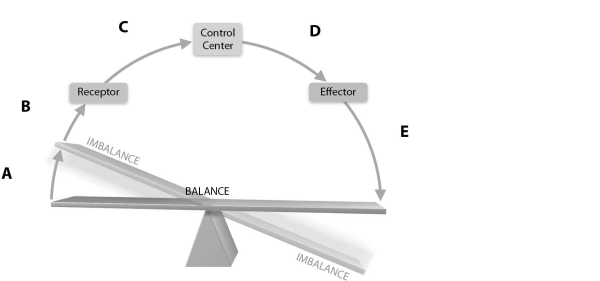 Figure 1.2Using Figure 1.2, match the following regions:
-The higher we go in the mountains, the greater the atmospheric pressure, resulting in an increase in available oxygen. Comment on this statement.
Figure 1.2Using Figure 1.2, match the following regions:
-The higher we go in the mountains, the greater the atmospheric pressure, resulting in an increase in available oxygen. Comment on this statement. (Essay)
4.9/5 (70)
(70) 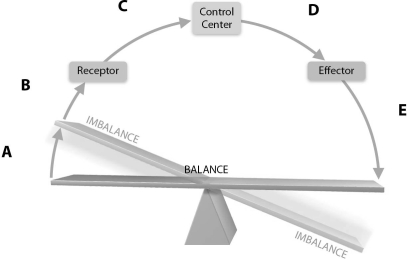 Figure 1.2Using Figure 1.2, match the following regions:
-What is the single most abundant chemical substance in the body?
Figure 1.2Using Figure 1.2, match the following regions:
-What is the single most abundant chemical substance in the body? (Short Answer)
4.8/5 (81)
(81) . Responsiveness or irritability is the ability to sense changes in the environment and then respond to them.
(True/False)
5.0/5 (67)
(67) Figure 1.2Using Figure 1.2, match the following regions:
-Why is anatomical terminology necessary?
Figure 1.2Using Figure 1.2, match the following regions:
-Why is anatomical terminology necessary? (Essay)
4.9/5 (76)
(76) 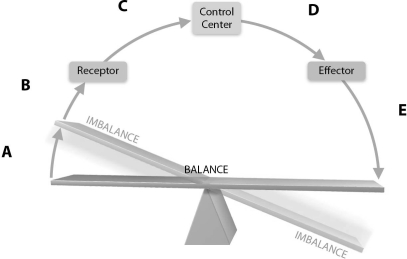 Figure 1.2Using Figure 1.2, match the following regions:
-What is the pathway between the receptor and the control center in the reflex pathway called?
Figure 1.2Using Figure 1.2, match the following regions:
-What is the pathway between the receptor and the control center in the reflex pathway called? (Short Answer)
4.9/5 (82)
(82) What is the serous membrane that covers the intestines called?
(Short Answer)
4.9/5 (74)
(74) 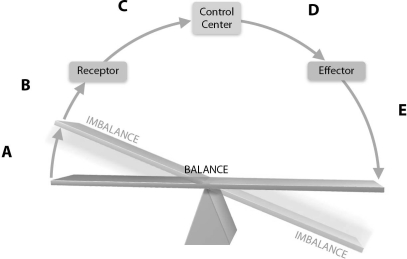 Figure 1.2Using Figure 1.2, match the following regions:
-Receptor.
Figure 1.2Using Figure 1.2, match the following regions:
-Receptor. (Short Answer)
4.7/5 (76)
(76) The nurse charted: "Patient has an open wound located on lateral aspect of leg." Describe where the wound is located.
(Essay)
4.8/5 (73)
(73) Choose the following statement that is not completely correct regarding serous membranes.
(Multiple Choice)
4.9/5 (78)
(78) The anatomical position is characterized by all of the following except _ .
(Multiple Choice)
5.0/5 (82)
(82) Which of the following describes the operation of the heart and blood vessels?
(Multiple Choice)
4.8/5 (84)
(84) A small family was traveling in its van and had a minor accident. The children in the back seats were wearing lap belts, but still sustained numerous bruises about the abdomen, and had some internal organ injuries. Why is this area more vulnerable to damage than others?
(Essay)
5.0/5 (92)
(92) 
Filters
- Essay(0)
- Multiple Choice(0)
- Short Answer(0)
- True False(0)
- Matching(0)