



 Chat with AI
Exam 10: The Muscular System

Exam 1: The Human Body: an Orientation100 Questions
Exam 2: Chemistry Comes Alive120 Questions
Exam 3: Cells: the Living Units119 Questions
Exam 4: Tissue: the Living Fabric97 Questions
Exam 5: The Integumentary System107 Questions
Exam 6: Bones and Skeletal Tissues94 Questions
Exam 7: The Skeleton102 Questions
Exam 8: Joints105 Questions
Exam 9: Muscles and Muscle Tissue109 Questions
Exam 10: The Muscular System109 Questions
Exam 11: Fundamentals of the Nervous System and Nervous Tissue95 Questions
Exam 12: The Central Nervous System132 Questions
Exam 13: The Peripheral Nervous System and Reflex Activity97 Questions
Exam 14: The Autonomic Nervous System96 Questions
Exam 15: The Special Senses127 Questions
Exam 16: The Endocrine System119 Questions
Exam 17: Blood99 Questions
Exam 18: The Cardiovascular System: the Heart94 Questions
Exam 19: The Cardiovascular System: Blood Vessels107 Questions
Exam 20: The Lymphatic System and Lymphoid Organs and Tissues95 Questions
Exam 21: The Immune System: Innate and Adaptive Body Defensives118 Questions
Exam 22: The Respiratory System120 Questions
Exam 23: The Digestive System145 Questions
Exam 24: Nutrition, Metabolism, and Body Temperature Regulation114 Questions
Exam 25: The Urinary System116 Questions
Exam 26: Fluid, Electrolyte, and Acid-Base Balance94 Questions
Exam 27: The Reproductive System126 Questions
Exam 28: Pregnancy and Human Development97 Questions
Exam 29: Heredity90 Questions
Select questions type


Brian decided to enter a 5- mile race designed to raise money for a class trip. He did not do any preconditioning, nor has he ever jogged before. The morning after the race, Brian had so much pain in both his anterior legs, he was unable to go to school. What caused this pain?
(Essay)
4.8/5  (91)
(91) Muscles connecting to the hyoid bone are important for swallowing and speech.
(True/False)
4.7/5 (78)
(78) Which of the following muscles is involved in inversion at the ankle joint?
(Multiple Choice)
4.8/5 (87)
(87) When the term biceps, triceps, or quadriceps forms part of a muscle's name, what does it tell you about the muscle?
(Multiple Choice)
4.7/5 (72)
(72) 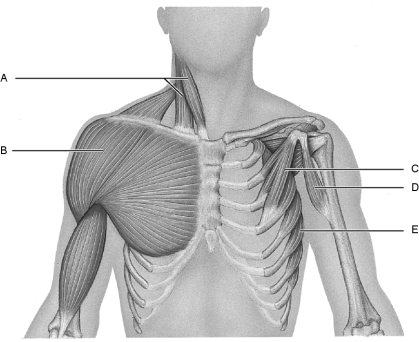 Figure 10.2Using Figure 10.2, match the following:
-Coracobrachialis.
Figure 10.2Using Figure 10.2, match the following:
-Coracobrachialis. (Short Answer)
4.9/5 (70)
(70) 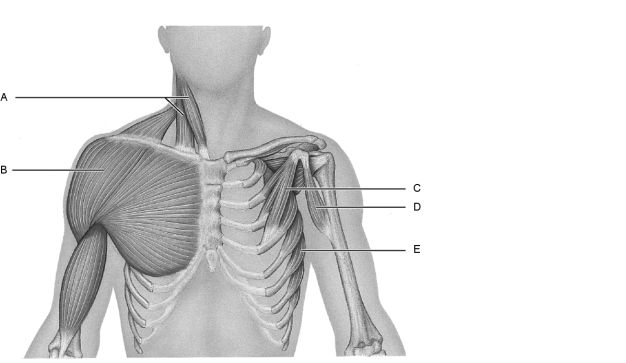 Figure 10.2Using Figure 10.2, match the following:
-Serratus anterior.
Figure 10.2Using Figure 10.2, match the following:
-Serratus anterior. (Short Answer)
4.8/5 (91)
(91) Muscles that help to maintain posture are often called synergists.
(True/False)
4.8/5 (92)
(92) In emphysema, the lungs become overdistended with trapped air. Effective abdominal breathing is decreased. Describe the muscles involved when breathing becomes an active process, such as a patient who has emphysema.
(Essay)
4.9/5 (90)
(90) 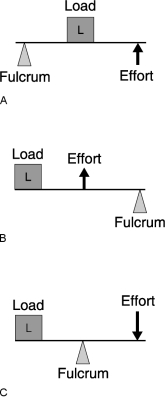 Figure 10.1Using Figure 10.1, match the following:
-Which muscle is used for normal breathing and which additional muscles are used when performing strenuous exercise?
Figure 10.1Using Figure 10.1, match the following:
-Which muscle is used for normal breathing and which additional muscles are used when performing strenuous exercise? (Essay)
4.9/5 (66)
(66) 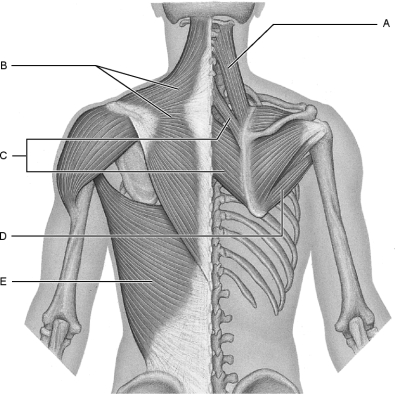 Figure 10.3Using Figure 10.3, match the following:
-How can a lever system work at a disadvantage but still be of use to us?
Figure 10.3Using Figure 10.3, match the following:
-How can a lever system work at a disadvantage but still be of use to us? (Essay)
4.8/5 (68)
(68) Figure 10.3Using Figure 10.3, match the following:
-Teres major muscle.
Figure 10.3Using Figure 10.3, match the following:
-Teres major muscle. (Short Answer)
4.7/5 (84)
(84) 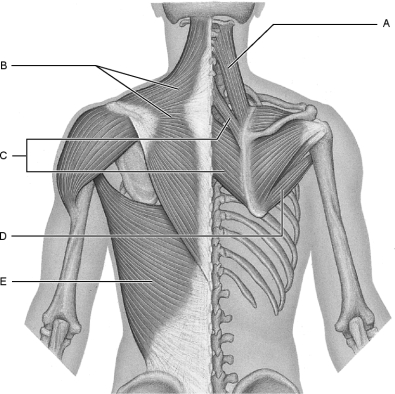 Figure 10.3Using Figure 10.3, match the following:
-What muscles are involved in biting and chewing an apple?
Figure 10.3Using Figure 10.3, match the following:
-What muscles are involved in biting and chewing an apple? (Essay)
4.9/5 (65)
(65) The soleus is a synergist of the gastrocnemius during plantar flexion.
(True/False)
4.9/5 (84)
(84) The is a synergist of the latissimus dorsi; it extends, medially rotates, and adducts the humerus.
(Short Answer)
4.9/5 (83)
(83) If L = load, F = fulcrum, and E = effort, what type of lever system is described as LEF?
(Multiple Choice)
4.8/5 (77)
(77) The supraspinatus is named for its location on the posterior aspect of the scapula above the spine. What is its action?
(Multiple Choice)
4.8/5 (87)
(87) 
Filters
- Essay(0)
- Multiple Choice(0)
- Short Answer(0)
- True False(0)
- Matching(0)