



 Chat with AI
Exam 19: The Cardiovascular System: Blood Vessels

Exam 1: The Human Body: an Orientation100 Questions
Exam 2: Chemistry Comes Alive120 Questions
Exam 3: Cells: the Living Units119 Questions
Exam 4: Tissue: the Living Fabric97 Questions
Exam 5: The Integumentary System107 Questions
Exam 6: Bones and Skeletal Tissues94 Questions
Exam 7: The Skeleton102 Questions
Exam 8: Joints105 Questions
Exam 9: Muscles and Muscle Tissue109 Questions
Exam 10: The Muscular System109 Questions
Exam 11: Fundamentals of the Nervous System and Nervous Tissue95 Questions
Exam 12: The Central Nervous System132 Questions
Exam 13: The Peripheral Nervous System and Reflex Activity97 Questions
Exam 14: The Autonomic Nervous System96 Questions
Exam 15: The Special Senses127 Questions
Exam 16: The Endocrine System119 Questions
Exam 17: Blood99 Questions
Exam 18: The Cardiovascular System: the Heart94 Questions
Exam 19: The Cardiovascular System: Blood Vessels107 Questions
Exam 20: The Lymphatic System and Lymphoid Organs and Tissues95 Questions
Exam 21: The Immune System: Innate and Adaptive Body Defensives118 Questions
Exam 22: The Respiratory System120 Questions
Exam 23: The Digestive System145 Questions
Exam 24: Nutrition, Metabolism, and Body Temperature Regulation114 Questions
Exam 25: The Urinary System116 Questions
Exam 26: Fluid, Electrolyte, and Acid-Base Balance94 Questions
Exam 27: The Reproductive System126 Questions
Exam 28: Pregnancy and Human Development97 Questions
Exam 29: Heredity90 Questions
Select questions type


An increase in blood viscosity will cause an increase in peripheral resistance.
(True/False)
4.9/5  (84)
(84) The short- term controls of blood pressure, mediated by the nervous system and bloodborne chemicals, primarily operate via all but which of the following?
(Multiple Choice)
5.0/5 (72)
(72) Which of the following are involved directly in pulmonary circulation?
(Multiple Choice)
4.8/5 (69)
(69) 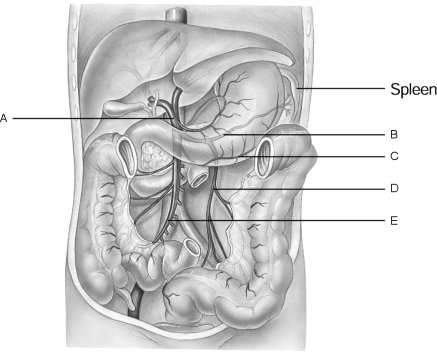 Figure 19.2Using Figure 19.2, match the following:
-The internal carotid arteries supply the with blood.
Figure 19.2Using Figure 19.2, match the following:
-The internal carotid arteries supply the with blood. (Short Answer)
4.8/5 (81)
(81) 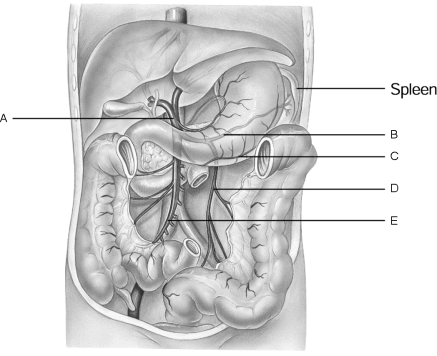 Figure 19.2Using Figure 19.2, match the following:
-Right gastroepiploic vein.
Figure 19.2Using Figure 19.2, match the following:
-Right gastroepiploic vein. (Short Answer)
4.8/5 (72)
(72) 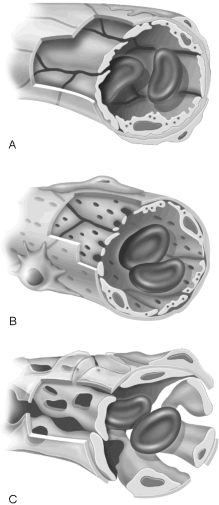 Figure 19.1Using Figure 19.1, match the following:
-Capillary that may contain Kupffer cells in the lining.
Figure 19.1Using Figure 19.1, match the following:
-Capillary that may contain Kupffer cells in the lining. (Short Answer)
4.9/5 (94)
(94) Histologically, the is squamous epithelium supported by a sparse connective tissue layer.
(Multiple Choice)
5.0/5 (70)
(70) The influence of blood vessel diameter on peripheral resistance is .
(Multiple Choice)
4.9/5 (87)
(87) A patient with essential hypertension might have pressures of 200/120 mm Hg. This hypertensive state could result in all of the following changes except .
(Multiple Choice)
4.9/5 (87)
(87) Which of the following processes provides a long- term response to changes in blood pressure?
(Multiple Choice)
4.9/5 (78)
(78) 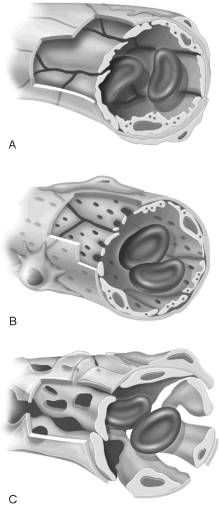 Figure 19.1Using Figure 19.1, match the following:
-Capillary with intercellular clefts found in the skin and muscles.
Figure 19.1Using Figure 19.1, match the following:
-Capillary with intercellular clefts found in the skin and muscles. (Short Answer)
4.9/5 (77)
(77) Which of the choices below explains why the arterioles are known as resistance vessels?
(Multiple Choice)
4.7/5 (90)
(90) Select the correct statement about factors that influence blood pressure.
(Multiple Choice)
4.7/5 (80)
(80) Figure 19.2Using Figure 19.2, match the following:
-Superior mesenteric vein.
Figure 19.2Using Figure 19.2, match the following:
-Superior mesenteric vein. (Short Answer)
4.8/5 (80)
(80) 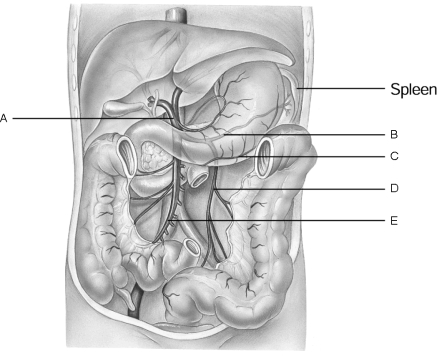 Figure 19.2Using Figure 19.2, match the following:
-Inferior mesenteric vein.
Figure 19.2Using Figure 19.2, match the following:
-Inferior mesenteric vein. (Short Answer)
4.9/5 (72)
(72) At the battle of Shiloh in the American Civil War, Confederate General A. S. Johnston was killed when he was shot in the thigh. Witnesses reported that he bled to death almost before he realized that he was wounded. Which blood vessel was most likely to have been injured? Why is a tourniquet usually ineffective in stopping the bleeding from this wound?
(Essay)
4.8/5 (73)
(73) 
Filters
- Essay(0)
- Multiple Choice(0)
- Short Answer(0)
- True False(0)
- Matching(0)