



 Chat with AI
Exam 19: The Cardiovascular System: Blood Vessels

Exam 1: The Human Body: an Orientation100 Questions
Exam 2: Chemistry Comes Alive120 Questions
Exam 3: Cells: the Living Units119 Questions
Exam 4: Tissue: the Living Fabric97 Questions
Exam 5: The Integumentary System107 Questions
Exam 6: Bones and Skeletal Tissues94 Questions
Exam 7: The Skeleton102 Questions
Exam 8: Joints105 Questions
Exam 9: Muscles and Muscle Tissue109 Questions
Exam 10: The Muscular System109 Questions
Exam 11: Fundamentals of the Nervous System and Nervous Tissue95 Questions
Exam 12: The Central Nervous System132 Questions
Exam 13: The Peripheral Nervous System and Reflex Activity97 Questions
Exam 14: The Autonomic Nervous System96 Questions
Exam 15: The Special Senses127 Questions
Exam 16: The Endocrine System119 Questions
Exam 17: Blood99 Questions
Exam 18: The Cardiovascular System: the Heart94 Questions
Exam 19: The Cardiovascular System: Blood Vessels107 Questions
Exam 20: The Lymphatic System and Lymphoid Organs and Tissues95 Questions
Exam 21: The Immune System: Innate and Adaptive Body Defensives118 Questions
Exam 22: The Respiratory System120 Questions
Exam 23: The Digestive System145 Questions
Exam 24: Nutrition, Metabolism, and Body Temperature Regulation114 Questions
Exam 25: The Urinary System116 Questions
Exam 26: Fluid, Electrolyte, and Acid-Base Balance94 Questions
Exam 27: The Reproductive System126 Questions
Exam 28: Pregnancy and Human Development97 Questions
Exam 29: Heredity90 Questions
Select questions type


Arteries supplying the same territory are often merged with one another, forming arterial anastomoses.
(True/False)
4.9/5  (73)
(73) The pulmonary circulation does not directly serve the metabolic needs of body tissues.
(True/False)
5.0/5 (64)
(64) A patient lost a lot of blood during surgery and his blood pressure dropped from 120/80 to 90/50. Describe how the kidneys respond to this change in blood pressure.
(Essay)
4.9/5 (78)
(78) The in the carotid sinuses and aortic arch detect increases in blood pressure.
(Short Answer)
4.8/5 (85)
(85) 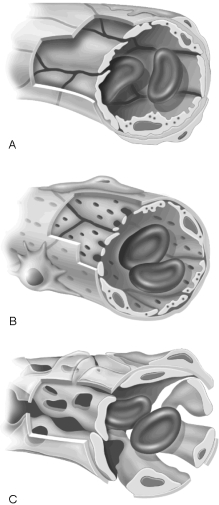 Figure 19.1Using Figure 19.1, match the following:
-Capillary found in endocrine organs that allows hormones to gain rapid entry into the blood.
Figure 19.1Using Figure 19.1, match the following:
-Capillary found in endocrine organs that allows hormones to gain rapid entry into the blood. (Short Answer)
4.9/5 (76)
(76) A thrombus (blood clot) in the first branch of the arch of the aorta would affect the flow of blood to the .
(Multiple Choice)
4.8/5 (88)
(88) For each of the following situations, describe the anticipated effect on blood pressure and the physiological basis of the response: (1) a high- salt diet, (2) a blow on the head that damages (disables) the vasomotor center,
(3) an attack by a mugger, and (4) a hypothalamic tumor resulting in excess ADH production.
(Essay)
4.8/5 (68)
(68) Which of the following chemicals does not help regulate blood pressure?
(Multiple Choice)
4.9/5 (77)
(77) Which of the following is not one of the three main factors influencing blood pressure?
(Multiple Choice)
5.0/5 (89)
(89) 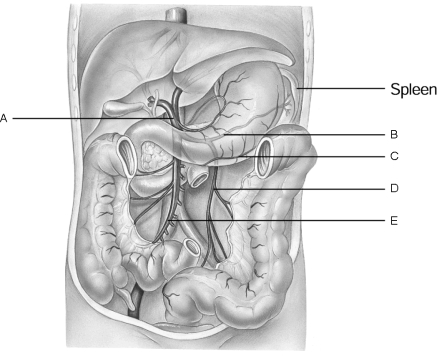 Figure 19.2Using Figure 19.2, match the following:
-The most common form of shock is .
Figure 19.2Using Figure 19.2, match the following:
-The most common form of shock is . (Short Answer)
4.9/5 (81)
(81) 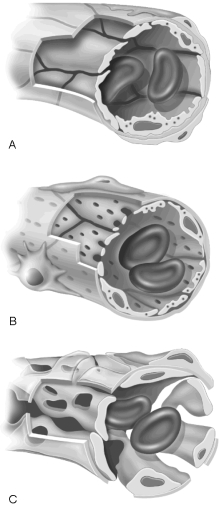 Figure 19.1Using Figure 19.1, match the following:
-Arterial provide alternate pathways for blood to get to an organ.
Figure 19.1Using Figure 19.1, match the following:
-Arterial provide alternate pathways for blood to get to an organ. (Short Answer)
4.9/5 (69)
(69) Which of the following is the most significant source of blood flow resistance?
(Multiple Choice)
4.9/5 (76)
(76) 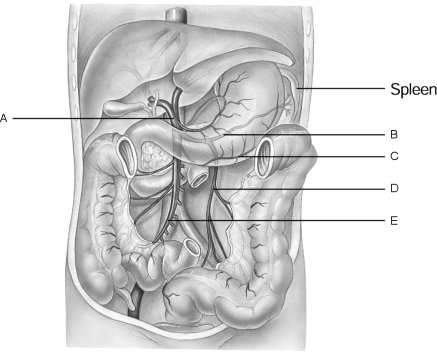 Figure 19.2Using Figure 19.2, match the following:
-The veins drain the gall bladder.
Figure 19.2Using Figure 19.2, match the following:
-The veins drain the gall bladder. (Short Answer)
4.8/5 (81)
(81) Osmotic pressure is created by the presence in a fluid of small diffusible molecules that easily move through the capillary membrane.
(True/False)
5.0/5 (70)
(70) Figure 19.1Using Figure 19.1, match the following:
-The mesenteric arteries branch off the abdominal aorta, but the mesenteric veins do not connect directly to the vena cava. Why?
Figure 19.1Using Figure 19.1, match the following:
-The mesenteric arteries branch off the abdominal aorta, but the mesenteric veins do not connect directly to the vena cava. Why? (Essay)
4.9/5 (81)
(81) 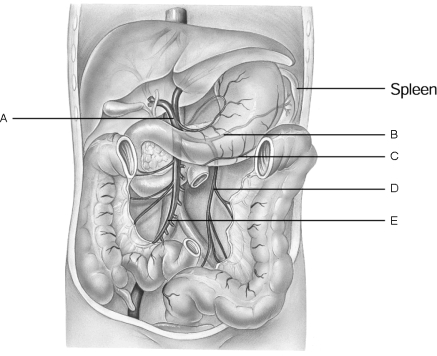 Figure 19.2Using Figure 19.2, match the following:
-Hepatic portal vein.
Figure 19.2Using Figure 19.2, match the following:
-Hepatic portal vein. (Short Answer)
4.9/5 (80)
(80) Figure 19.1Using Figure 19.1, match the following:
-Consider the diameter of one 4- mm blood vessel and two 2- mm blood vessels. Would the two 2- mm vessels carry more, less, or the same amount of fluid, given that pressure is a constant? Why?
Figure 19.1Using Figure 19.1, match the following:
-Consider the diameter of one 4- mm blood vessel and two 2- mm blood vessels. Would the two 2- mm vessels carry more, less, or the same amount of fluid, given that pressure is a constant? Why? (Essay)
4.9/5 (77)
(77) 
Filters
- Essay(0)
- Multiple Choice(0)
- Short Answer(0)
- True False(0)
- Matching(0)