



 Chat with AI
Exam 24: Nutrition, Metabolism, and Body Temperature Regulation

Exam 1: The Human Body: an Orientation100 Questions
Exam 2: Chemistry Comes Alive120 Questions
Exam 3: Cells: the Living Units119 Questions
Exam 4: Tissue: the Living Fabric97 Questions
Exam 5: The Integumentary System107 Questions
Exam 6: Bones and Skeletal Tissues94 Questions
Exam 7: The Skeleton102 Questions
Exam 8: Joints105 Questions
Exam 9: Muscles and Muscle Tissue109 Questions
Exam 10: The Muscular System109 Questions
Exam 11: Fundamentals of the Nervous System and Nervous Tissue95 Questions
Exam 12: The Central Nervous System132 Questions
Exam 13: The Peripheral Nervous System and Reflex Activity97 Questions
Exam 14: The Autonomic Nervous System96 Questions
Exam 15: The Special Senses127 Questions
Exam 16: The Endocrine System119 Questions
Exam 17: Blood99 Questions
Exam 18: The Cardiovascular System: the Heart94 Questions
Exam 19: The Cardiovascular System: Blood Vessels107 Questions
Exam 20: The Lymphatic System and Lymphoid Organs and Tissues95 Questions
Exam 21: The Immune System: Innate and Adaptive Body Defensives118 Questions
Exam 22: The Respiratory System120 Questions
Exam 23: The Digestive System145 Questions
Exam 24: Nutrition, Metabolism, and Body Temperature Regulation114 Questions
Exam 25: The Urinary System116 Questions
Exam 26: Fluid, Electrolyte, and Acid-Base Balance94 Questions
Exam 27: The Reproductive System126 Questions
Exam 28: Pregnancy and Human Development97 Questions
Exam 29: Heredity90 Questions
Select questions type


Beta oxidation is the initial phase of fatty acid oxidation, and it occurs in the cytoplasm.
(True/False)
4.8/5  (78)
(78) Carbohydrate and fat pools are oxidized directly to produce cellular energy, but amino acid pools must first be converted to a carbohydrate intermediate before being sent through cellular respiration pathways.
(True/False)
4.8/5 (70)
(70) Harry is hospitalized with bacterial pneumonia. When you visit him, his teeth are chattering, his skin is cool and clammy to the touch, and he complains of feeling cold, even though the room is quite warm. Explain his symptoms.
(Essay)
4.8/5 (81)
(81) In the liver, the amine group of glutamic acid is removed as _ in the oxidative state.
(Multiple Choice)
4.8/5 (83)
(83) Which of the following best defines negative nitrogen balance?
(Multiple Choice)
4.8/5 (94)
(94) Conditions that promote the oxidative deamination and energy use of amino acids include
)
(Multiple Choice)
4.8/5 (84)
(84) Transamination is the process whereby the amine group of an amino acid is .
(Multiple Choice)
4.8/5 (77)
(77) Vitamins are inorganic compounds that are essential for growth and good health.
(True/False)
4.9/5 (70)
(70) Which of the following is the major role of leptin in the body?
(Multiple Choice)
4.9/5 (83)
(83) Which of the following mechanisms produces the most ATP during cellular respiration?
(Multiple Choice)
4.9/5 (72)
(72) There are no complete proteins. All animal products should be eaten with plant material to make a complete protein.
(True/False)
5.0/5 (78)
(78) 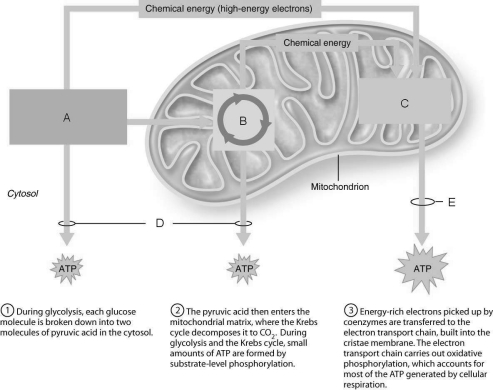 Figure 24.1Using Figure 24.1, match the following:
-Explain what happens to pyruvic acid if oxygen is not present in sufficient quantities to support the electron transport system.
Figure 24.1Using Figure 24.1, match the following:
-Explain what happens to pyruvic acid if oxygen is not present in sufficient quantities to support the electron transport system. (Essay)
4.9/5 (85)
(85) What are four possible complications of obesity from a medical standpoint?
(Essay)
5.0/5 (88)
(88) Which of the choices below is not a source of glucose during the postabsorptive state?
(Multiple Choice)
4.8/5 (88)
(88) 
Filters
- Essay(0)
- Multiple Choice(0)
- Short Answer(0)
- True False(0)
- Matching(0)