



 Chat with AI
Exam 24: Nutrition, Metabolism, and Body Temperature Regulation

Exam 1: The Human Body: an Orientation100 Questions
Exam 2: Chemistry Comes Alive120 Questions
Exam 3: Cells: the Living Units119 Questions
Exam 4: Tissue: the Living Fabric97 Questions
Exam 5: The Integumentary System107 Questions
Exam 6: Bones and Skeletal Tissues94 Questions
Exam 7: The Skeleton102 Questions
Exam 8: Joints105 Questions
Exam 9: Muscles and Muscle Tissue109 Questions
Exam 10: The Muscular System109 Questions
Exam 11: Fundamentals of the Nervous System and Nervous Tissue95 Questions
Exam 12: The Central Nervous System132 Questions
Exam 13: The Peripheral Nervous System and Reflex Activity97 Questions
Exam 14: The Autonomic Nervous System96 Questions
Exam 15: The Special Senses127 Questions
Exam 16: The Endocrine System119 Questions
Exam 17: Blood99 Questions
Exam 18: The Cardiovascular System: the Heart94 Questions
Exam 19: The Cardiovascular System: Blood Vessels107 Questions
Exam 20: The Lymphatic System and Lymphoid Organs and Tissues95 Questions
Exam 21: The Immune System: Innate and Adaptive Body Defensives118 Questions
Exam 22: The Respiratory System120 Questions
Exam 23: The Digestive System145 Questions
Exam 24: Nutrition, Metabolism, and Body Temperature Regulation114 Questions
Exam 25: The Urinary System116 Questions
Exam 26: Fluid, Electrolyte, and Acid-Base Balance94 Questions
Exam 27: The Reproductive System126 Questions
Exam 28: Pregnancy and Human Development97 Questions
Exam 29: Heredity90 Questions
Select questions type


The patient is 45 years old and is obese. He states he has been on the Atkins diet and has lost 20 pounds. What are the dangers inherent in following fad diets for quick weight loss?
(Essay)
4.9/5  (73)
(73) The primary reason elderly people should decrease their caloric intake is that .
(Multiple Choice)
4.7/5 (67)
(67) When ketone bodies are present in the blood and urine in large amounts, it usually indicates increased metabolism of .
(Multiple Choice)
4.9/5 (80)
(80) The process of splitting glucose through a series of steps that produces two pyruvic acid molecules is called _.
(Short Answer)
4.8/5 (73)
(73) What process primes a molecule to change in a way that increases its activity, produces motion, or does work?
(Multiple Choice)
4.8/5 (65)
(65) 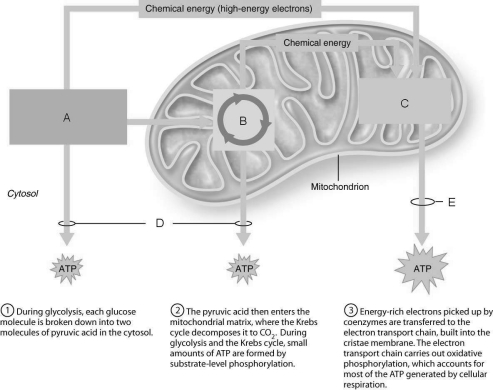 Figure 24.1Using Figure 24.1, match the following:
-Produces the CO2 involved during glucose oxidation.
Figure 24.1Using Figure 24.1, match the following:
-Produces the CO2 involved during glucose oxidation. (Short Answer)
4.8/5 (83)
(83) It would not be healthy to eliminate all fats from your diet because they serve a useful purpose in maintaining the body.
(True/False)
4.8/5 (79)
(79) The body is considered to be in nitrogen balance when the amount of nitrogen ingested in lipids equals the amount excreted in urine.
(True/False)
4.8/5 (70)
(70) The term essential nutrient refers to the chemicals that can be interconverted in the liver so that the body can maintain life and good health.
(True/False)
4.9/5 (86)
(86) 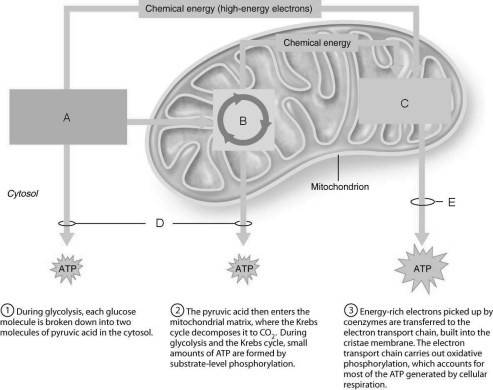 Figure 24.1Using Figure 24.1, match the following:
-ATP formed by oxidative phosphorylation.
Figure 24.1Using Figure 24.1, match the following:
-ATP formed by oxidative phosphorylation. (Short Answer)
4.8/5 (80)
(80) The ingestion of which nutrient type results in the greatest food- induced thermogenesis?
(Multiple Choice)
4.8/5 (74)
(74) Which of the choices below describes the pathway of cellular respiration (the complete oxidation of glucose)?
(Multiple Choice)
4.8/5 (71)
(71) 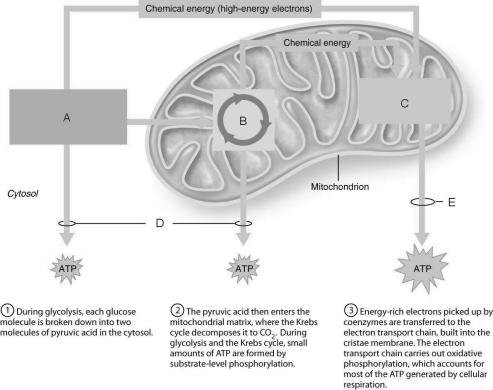 Figure 24.1Using Figure 24.1, match the following:
-Occurs via substrate- level phosphorylation.
Figure 24.1Using Figure 24.1, match the following:
-Occurs via substrate- level phosphorylation. (Short Answer)
5.0/5 (80)
(80) The Krebs cycle produces ATP molecules per glucose molecule by substrate- level phosphorylation.
(Short Answer)
4.9/5 (77)
(77) It is important to ensure that your diet is adequately rich in vitamins because _ .
(Multiple Choice)
4.8/5 (72)
(72) In the case of a person who consumes a normal, balanced diet, proteins are essential to the body for all of the following except .
(Multiple Choice)
4.9/5 (76)
(76) What are the four mechanisms of heat exchange and how are they defined?
(Essay)
4.7/5 (73)
(73) Which of the following statements best describes complete protein?
(Multiple Choice)
4.7/5 (68)
(68) 
Filters
- Essay(0)
- Multiple Choice(0)
- Short Answer(0)
- True False(0)
- Matching(0)