



 Chat with AI
Exam 15: The Special Senses

Exam 1: The Human Body: an Orientation100 Questions
Exam 2: Chemistry Comes Alive120 Questions
Exam 3: Cells: the Living Units119 Questions
Exam 4: Tissue: the Living Fabric97 Questions
Exam 5: The Integumentary System107 Questions
Exam 6: Bones and Skeletal Tissues94 Questions
Exam 7: The Skeleton102 Questions
Exam 8: Joints105 Questions
Exam 9: Muscles and Muscle Tissue109 Questions
Exam 10: The Muscular System109 Questions
Exam 11: Fundamentals of the Nervous System and Nervous Tissue95 Questions
Exam 12: The Central Nervous System132 Questions
Exam 13: The Peripheral Nervous System and Reflex Activity97 Questions
Exam 14: The Autonomic Nervous System96 Questions
Exam 15: The Special Senses127 Questions
Exam 16: The Endocrine System119 Questions
Exam 17: Blood99 Questions
Exam 18: The Cardiovascular System: the Heart94 Questions
Exam 19: The Cardiovascular System: Blood Vessels107 Questions
Exam 20: The Lymphatic System and Lymphoid Organs and Tissues95 Questions
Exam 21: The Immune System: Innate and Adaptive Body Defensives118 Questions
Exam 22: The Respiratory System120 Questions
Exam 23: The Digestive System145 Questions
Exam 24: Nutrition, Metabolism, and Body Temperature Regulation114 Questions
Exam 25: The Urinary System116 Questions
Exam 26: Fluid, Electrolyte, and Acid-Base Balance94 Questions
Exam 27: The Reproductive System126 Questions
Exam 28: Pregnancy and Human Development97 Questions
Exam 29: Heredity90 Questions
Select questions type


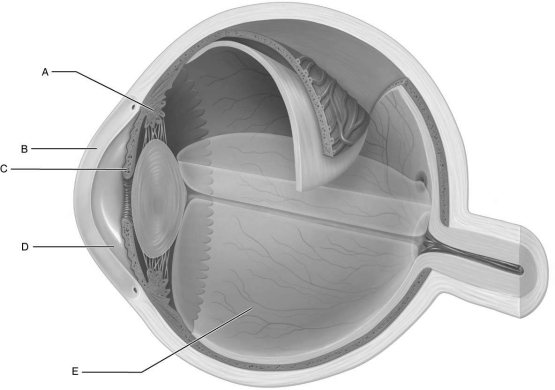 Figure 15.3Using Figure 15.3, match the following:
-Holds the retina firmly against the pigmented layer.
Figure 15.3Using Figure 15.3, match the following:
-Holds the retina firmly against the pigmented layer. (Short Answer)
4.9/5  (75)
(75) 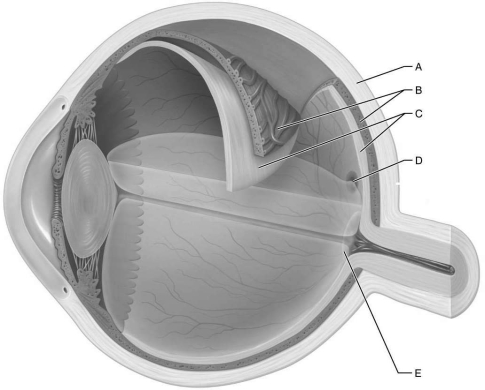 Figure 15.2Using Figure 15.2, match the following:
-Protects and shapes the eyeball; provides a sturdy anchoring site for extrinsic eye muscles.
Figure 15.2Using Figure 15.2, match the following:
-Protects and shapes the eyeball; provides a sturdy anchoring site for extrinsic eye muscles. (Short Answer)
4.8/5 (73)
(73) Light passes through the following structures in which order?
(Multiple Choice)
4.8/5 (78)
(78) 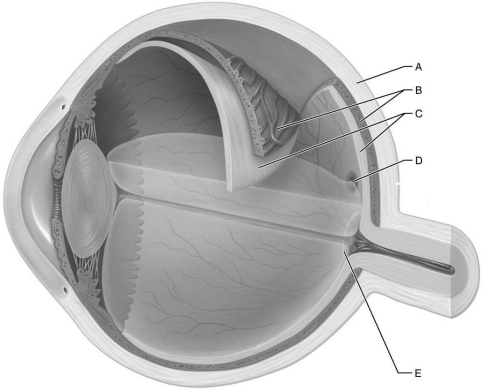 Figure 15.2Using Figure 15.2, match the following:
-Contains only cones; provides detailed color vision.
Figure 15.2Using Figure 15.2, match the following:
-Contains only cones; provides detailed color vision. (Short Answer)
4.8/5 (75)
(75) As sound levels increase in the spiral organ (of Corti), .
(Multiple Choice)
4.7/5 (85)
(85) Figure 15.3Using Figure 15.3, match the following:
-Trace the pathway of sound as it enters the external ear until it is perceived in the brain.
Figure 15.3Using Figure 15.3, match the following:
-Trace the pathway of sound as it enters the external ear until it is perceived in the brain. (Essay)
4.8/5 (83)
(83) The structure that allows equalization of the pressure in the middle ear with that outside the body is the external auditory meatus.
(True/False)
4.9/5 (83)
(83) 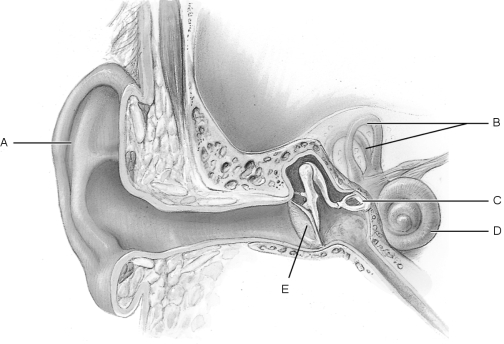 Figure 15.4Using Figure 15.4, match the following:
-Tympanic membrane.
Figure 15.4Using Figure 15.4, match the following:
-Tympanic membrane. (Short Answer)
4.8/5 (83)
(83) 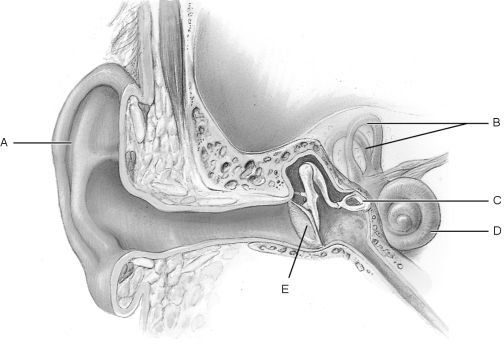 Figure 15.4Using Figure 15.4, match the following:
-Cochlea.
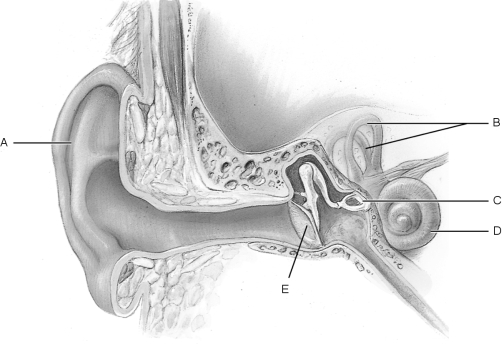 Figure 15.4Using Figure 15.4, match the following:
-Balance organ.
Figure 15.4Using Figure 15.4, match the following:
-Balance organ. (Short Answer)
4.7/5 (75)
(75) 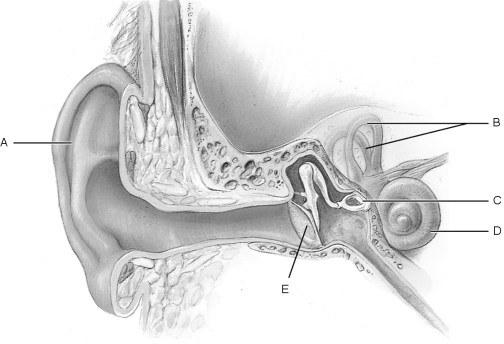 Figure 15.4Using Figure 15.4, match the following:
-The middle ossicle in the ear is the .
Figure 15.4Using Figure 15.4, match the following:
-The middle ossicle in the ear is the . (Short Answer)
5.0/5 (89)
(89) 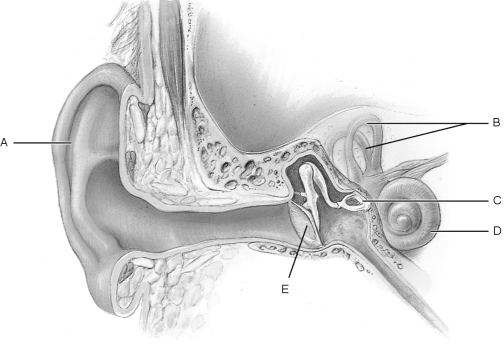 Figure 15.4Using Figure 15.4, match the following:
-Explain why prolonged periods of reading tire the eye muscles and result in eye strain.
Figure 15.4Using Figure 15.4, match the following:
-Explain why prolonged periods of reading tire the eye muscles and result in eye strain. (Essay)
4.8/5 (76)
(76) 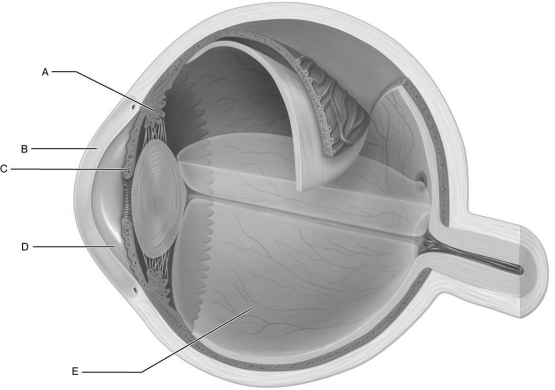 Figure 15.3Using Figure 15.3, match the following:
-The only tissue in the body that can be transplanted from one person to another with little or no rejection.
Figure 15.3Using Figure 15.3, match the following:
-The only tissue in the body that can be transplanted from one person to another with little or no rejection. (Short Answer)
4.8/5 (93)
(93) 
Filters
- Essay(0)
- Multiple Choice(0)
- Short Answer(0)
- True False(0)
- Matching(0)