



 Chat with AI
Exam 15: The Special Senses

Exam 1: The Human Body: an Orientation100 Questions
Exam 2: Chemistry Comes Alive120 Questions
Exam 3: Cells: the Living Units119 Questions
Exam 4: Tissue: the Living Fabric97 Questions
Exam 5: The Integumentary System107 Questions
Exam 6: Bones and Skeletal Tissues94 Questions
Exam 7: The Skeleton102 Questions
Exam 8: Joints105 Questions
Exam 9: Muscles and Muscle Tissue109 Questions
Exam 10: The Muscular System109 Questions
Exam 11: Fundamentals of the Nervous System and Nervous Tissue95 Questions
Exam 12: The Central Nervous System132 Questions
Exam 13: The Peripheral Nervous System and Reflex Activity97 Questions
Exam 14: The Autonomic Nervous System96 Questions
Exam 15: The Special Senses127 Questions
Exam 16: The Endocrine System119 Questions
Exam 17: Blood99 Questions
Exam 18: The Cardiovascular System: the Heart94 Questions
Exam 19: The Cardiovascular System: Blood Vessels107 Questions
Exam 20: The Lymphatic System and Lymphoid Organs and Tissues95 Questions
Exam 21: The Immune System: Innate and Adaptive Body Defensives118 Questions
Exam 22: The Respiratory System120 Questions
Exam 23: The Digestive System145 Questions
Exam 24: Nutrition, Metabolism, and Body Temperature Regulation114 Questions
Exam 25: The Urinary System116 Questions
Exam 26: Fluid, Electrolyte, and Acid-Base Balance94 Questions
Exam 27: The Reproductive System126 Questions
Exam 28: Pregnancy and Human Development97 Questions
Exam 29: Heredity90 Questions
Select questions type


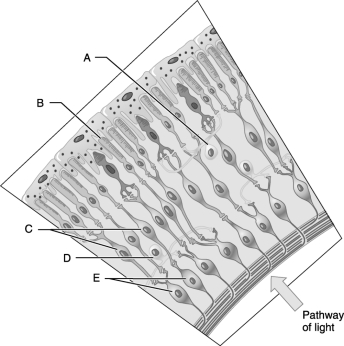 Figure 15.1Using Figure 15.1, match the following:
-The rocks found in one's head (calcium carbonate crystals) are called .
Figure 15.1Using Figure 15.1, match the following:
-The rocks found in one's head (calcium carbonate crystals) are called . (Short Answer)
4.8/5  (68)
(68) In the visual pathways to the brain, the optic radiations project to the _.
(Multiple Choice)
4.8/5 (81)
(81) 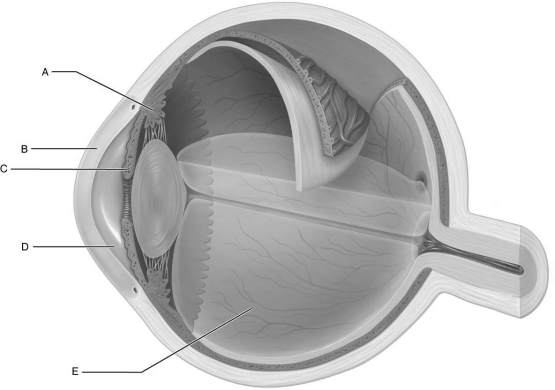 Figure 15.3Using Figure 15.3, match the following:
-After head trauma from an automobile accident, a man has anosmia. Define anosmia. Why is this condition fairly common after such injuries and in cases of severe nasal cavity inflammation?
Figure 15.3Using Figure 15.3, match the following:
-After head trauma from an automobile accident, a man has anosmia. Define anosmia. Why is this condition fairly common after such injuries and in cases of severe nasal cavity inflammation? (Essay)
4.9/5 (69)
(69) 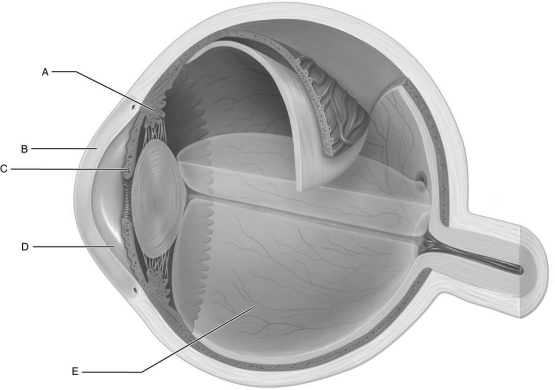 Figure 15.3Using Figure 15.3, match the following:
-Acts as a reflexively activated diaphragm to vary pupil size.
Figure 15.3Using Figure 15.3, match the following:
-Acts as a reflexively activated diaphragm to vary pupil size. (Short Answer)
4.9/5 (76)
(76) Sour taste receptors are stimulated by hydrogen ions of acidic food substances.
(True/False)
4.9/5 (69)
(69) Visual processing in the thalamus does not contribute significantly to .
(Multiple Choice)
4.8/5 (85)
(85) Which of the following could not be seen as one looks into the eye with an ophthalmoscope?
(Multiple Choice)
4.9/5 (77)
(77) Figure 15.3Using Figure 15.3, match the following:
-Controls lens shape.
Figure 15.3Using Figure 15.3, match the following:
-Controls lens shape. (Short Answer)
4.9/5 (77)
(77) Light passes through the entire thickness of the neural layer of the retina to excite the photoreceptors.
(True/False)
4.9/5 (81)
(81) The optic disc is the location where the optic nerve leaves the eyeball.
(True/False)
4.8/5 (72)
(72) Figure 15.1Using Figure 15.1, match the following:
-Ganglion cells.
Figure 15.1Using Figure 15.1, match the following:
-Ganglion cells. (Short Answer)
4.8/5 (85)
(85) 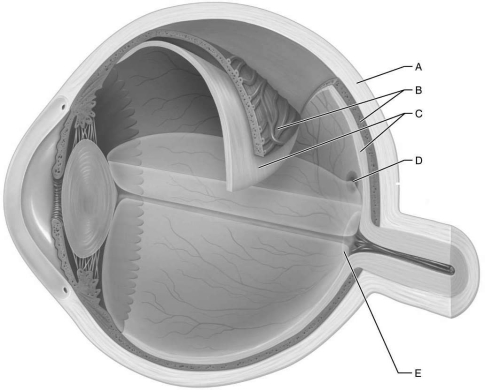 Figure 15.2Using Figure 15.2, match the following:
-Taste sensation also involves chemoreceptors, thermoreceptors, mechanoreceptors, and
.
Figure 15.2Using Figure 15.2, match the following:
-Taste sensation also involves chemoreceptors, thermoreceptors, mechanoreceptors, and
. (Short Answer)
4.8/5 (84)
(84) Without a functioning crista ampullaris, the semicircular canals would not function.
(True/False)
4.8/5 (75)
(75) 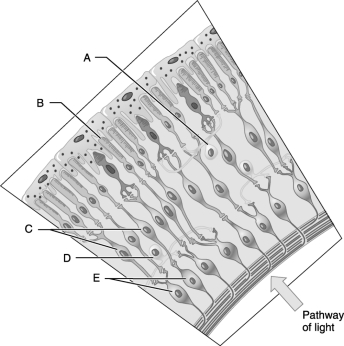 Figure 15.1Using Figure 15.1, match the following:
-Explain the role of the endolymph of the semicircular canals in activating the receptors during angular motion.
Figure 15.1Using Figure 15.1, match the following:
-Explain the role of the endolymph of the semicircular canals in activating the receptors during angular motion. (Essay)
4.9/5 (80)
(80) 
Filters
- Essay(0)
- Multiple Choice(0)
- Short Answer(0)
- True False(0)
- Matching(0)