



 Chat with AI
Exam 15: The Special Senses

Exam 1: The Human Body: an Orientation100 Questions
Exam 2: Chemistry Comes Alive120 Questions
Exam 3: Cells: the Living Units119 Questions
Exam 4: Tissue: the Living Fabric97 Questions
Exam 5: The Integumentary System107 Questions
Exam 6: Bones and Skeletal Tissues94 Questions
Exam 7: The Skeleton102 Questions
Exam 8: Joints105 Questions
Exam 9: Muscles and Muscle Tissue109 Questions
Exam 10: The Muscular System109 Questions
Exam 11: Fundamentals of the Nervous System and Nervous Tissue95 Questions
Exam 12: The Central Nervous System132 Questions
Exam 13: The Peripheral Nervous System and Reflex Activity97 Questions
Exam 14: The Autonomic Nervous System96 Questions
Exam 15: The Special Senses127 Questions
Exam 16: The Endocrine System119 Questions
Exam 17: Blood99 Questions
Exam 18: The Cardiovascular System: the Heart94 Questions
Exam 19: The Cardiovascular System: Blood Vessels107 Questions
Exam 20: The Lymphatic System and Lymphoid Organs and Tissues95 Questions
Exam 21: The Immune System: Innate and Adaptive Body Defensives118 Questions
Exam 22: The Respiratory System120 Questions
Exam 23: The Digestive System145 Questions
Exam 24: Nutrition, Metabolism, and Body Temperature Regulation114 Questions
Exam 25: The Urinary System116 Questions
Exam 26: Fluid, Electrolyte, and Acid-Base Balance94 Questions
Exam 27: The Reproductive System126 Questions
Exam 28: Pregnancy and Human Development97 Questions
Exam 29: Heredity90 Questions
Select questions type


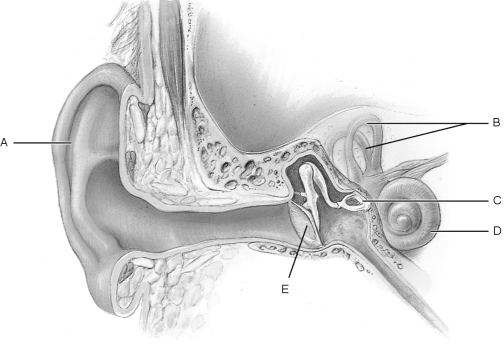 Figure 15.4Using Figure 15.4, match the following:
-Semicircular canals.
Figure 15.4Using Figure 15.4, match the following:
-Semicircular canals. (Short Answer)
4.7/5  (69)
(69) Which of the following taste sensations is incorrectly matched to the chemicals that produce it?
(Multiple Choice)
4.9/5 (78)
(78) A nurse is administering Pilocarpine eye drops. The nurse instructs the patient to press on the nasolacrimal duct for 30 seconds because the medication can have some systemic side effects, such as affecting the heart rate. Explain the rationale for pressing on the nasolacrimal duct.
(Essay)
4.9/5 (77)
(77) The synapse of the olfactory nerves with the mitral cells is called a .
(Short Answer)
4.8/5 (90)
(90) Roger went for his yearly eye examination and was informed that his intraocular pressure was slightly elevated (at 22 mm Hg). The physician expressed concern over this condition and noted that if the condition got worse, eye drops would be merited. What is wrong with Roger's eyes, and what are the possible consequences of this condition? Explain the function of eye drops used for therapy.
(Essay)
4.9/5 (79)
(79) 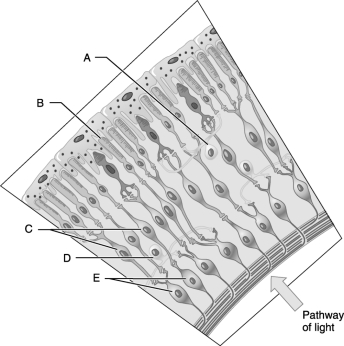 Figure 15.1Using Figure 15.1, match the following:
-Where in the body is the only place where small blood vessels can be observed directly in a living person?
Figure 15.1Using Figure 15.1, match the following:
-Where in the body is the only place where small blood vessels can be observed directly in a living person? (Short Answer)
4.7/5 (68)
(68) 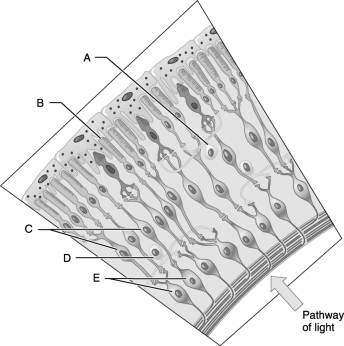 Figure 15.1Using Figure 15.1, match the following:
-Amacrine cell.
Figure 15.1Using Figure 15.1, match the following:
-Amacrine cell. (Short Answer)
4.8/5 (91)
(91) The first "way station" in the visual pathway from the eye, after there has been partial crossover of the fibers in the optic chiasma, is the .
(Multiple Choice)
4.9/5 (83)
(83) Which of the following is not a possible cause of conduction deafness?
(Multiple Choice)
4.8/5 (88)
(88) 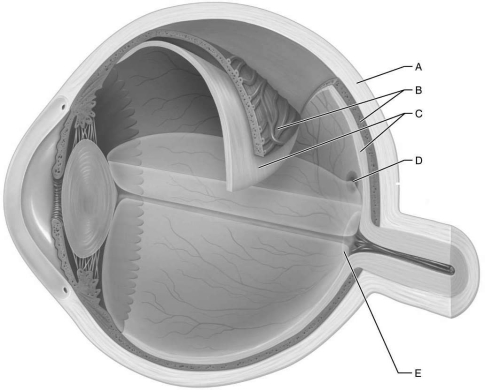 Figure 15.2Using Figure 15.2, match the following:
-Blood vessels supply nutrition to all eye layers.
Figure 15.2Using Figure 15.2, match the following:
-Blood vessels supply nutrition to all eye layers. (Short Answer)
4.7/5 (78)
(78) Baby Susie's pediatrician notices that one of her eyes rotates outward and that she does not appear to be using it for vision. What is her condition and what does the pediatrician recommend?
(Essay)
4.8/5 (82)
(82) 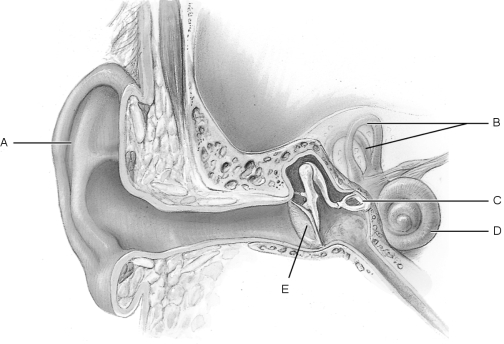 Figure 15.4Using Figure 15.4, match the following:
-Pinna.
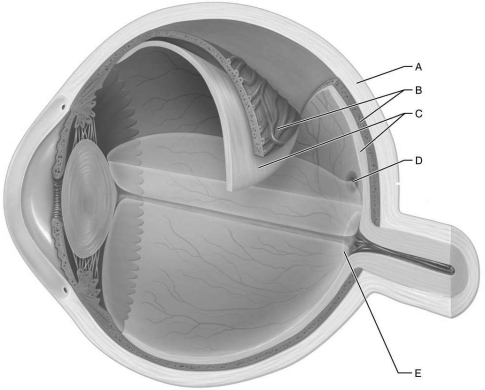 Figure 15.2Using Figure 15.2, match the following:
-Lacks photoreceptors; where optic nerve exits the eye.
Figure 15.2Using Figure 15.2, match the following:
-Lacks photoreceptors; where optic nerve exits the eye. (Short Answer)
4.7/5 (83)
(83) 
Filters
- Essay(0)
- Multiple Choice(0)
- Short Answer(0)
- True False(0)
- Matching(0)