



 Chat with AI
Exam 21: The Immune System: Innate and Adaptive Body Defensives

Exam 1: The Human Body: an Orientation100 Questions
Exam 2: Chemistry Comes Alive120 Questions
Exam 3: Cells: the Living Units119 Questions
Exam 4: Tissue: the Living Fabric97 Questions
Exam 5: The Integumentary System107 Questions
Exam 6: Bones and Skeletal Tissues94 Questions
Exam 7: The Skeleton102 Questions
Exam 8: Joints105 Questions
Exam 9: Muscles and Muscle Tissue109 Questions
Exam 10: The Muscular System109 Questions
Exam 11: Fundamentals of the Nervous System and Nervous Tissue95 Questions
Exam 12: The Central Nervous System132 Questions
Exam 13: The Peripheral Nervous System and Reflex Activity97 Questions
Exam 14: The Autonomic Nervous System96 Questions
Exam 15: The Special Senses127 Questions
Exam 16: The Endocrine System119 Questions
Exam 17: Blood99 Questions
Exam 18: The Cardiovascular System: the Heart94 Questions
Exam 19: The Cardiovascular System: Blood Vessels107 Questions
Exam 20: The Lymphatic System and Lymphoid Organs and Tissues95 Questions
Exam 21: The Immune System: Innate and Adaptive Body Defensives118 Questions
Exam 22: The Respiratory System120 Questions
Exam 23: The Digestive System145 Questions
Exam 24: Nutrition, Metabolism, and Body Temperature Regulation114 Questions
Exam 25: The Urinary System116 Questions
Exam 26: Fluid, Electrolyte, and Acid-Base Balance94 Questions
Exam 27: The Reproductive System126 Questions
Exam 28: Pregnancy and Human Development97 Questions
Exam 29: Heredity90 Questions
Select questions type


Which of the following is not a role of activated complement?
(Multiple Choice)
4.8/5  (86)
(86) An autoimmune disease that severely impairs renal function is _ .
(Short Answer)
4.8/5 (70)
(70) 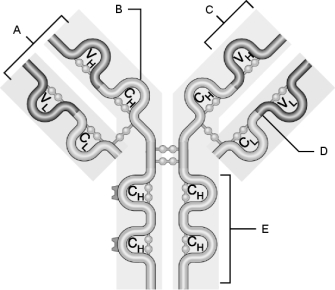 Figure 21.1Using Figure 21.1, match the following:
-Constant region.
Figure 21.1Using Figure 21.1, match the following:
-Constant region. (Short Answer)
4.8/5 (85)
(85) Activated T cells and macrophages release _ to mobilize immune cells and attract other leukocytes into the area.
(Multiple Choice)
4.7/5 (84)
(84) Max is bitten by a rattlesnake while on a camping trip. His friends immediately apply ice packs to the bitten area to slow the spread of the protein- based toxin; they then rush him to an emergency facility. What treatment would be given and why?
(Essay)
4.8/5 (71)
(71) 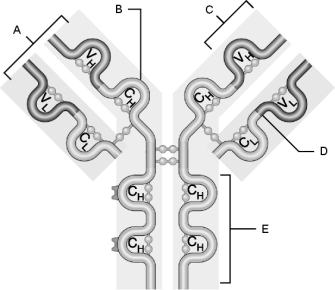 Figure 21.1Using Figure 21.1, match the following:
-Variable region.
Figure 21.1Using Figure 21.1, match the following:
-Variable region. (Short Answer)
4.9/5 (87)
(87) Somatic recombination by B cells allows each B cell to form its own unique antibody genes.
(True/False)
4.8/5 (82)
(82) Which of the following is not a method by which antibodies work?
(Multiple Choice)
4.8/5 (79)
(79) Monoclonal antibodies can be specific for several antigenic determinants.
(True/False)
4.7/5 (82)
(82) The antibody that becomes bound to mast cells and basophils and causes the cells to release histamine and other chemicals is .
(Short Answer)
4.9/5 (76)
(76) Complement proteins and antibodies coat a microorganism and provide binding sites, enabling macrophages and neutrophils to phagocytize the organism. This phenomenon is termed _ .
(Multiple Choice)
4.9/5 (91)
(91) Which of the following is not a complement activation pathway?
(Multiple Choice)
4.9/5 (68)
(68) In clonal selection of B cells, which substance is responsible for determining which cells will eventually become cloned?
(Multiple Choice)
4.9/5 (90)
(90) Elderly people tend to develop cancer more frequently than younger people. Give an explanation for this observation that relates to immune function.
(Essay)
4.7/5 (85)
(85) When the white blood cell count is depressed, the classic signs of infection such as redness, heat, and swelling are not manifested. In this case, the nurse should avoid administering aspirin. Explain why.
(Essay)
4.8/5 (86)
(86) A(n) is a cell hybrid formed from the fusion of tumor cells and B lymphocytes.
(Short Answer)
4.8/5 (88)
(88) Cancer cells and virus- infected body cells can be killed before activation of adaptive immunity by
)
(Multiple Choice)
4.8/5 (82)
(82) 
Filters
- Essay(0)
- Multiple Choice(0)
- Short Answer(0)
- True False(0)
- Matching(0)