



 Chat with AI
Exam 21: The Immune System: Innate and Adaptive Body Defensives

Exam 1: The Human Body: an Orientation100 Questions
Exam 2: Chemistry Comes Alive120 Questions
Exam 3: Cells: the Living Units119 Questions
Exam 4: Tissue: the Living Fabric97 Questions
Exam 5: The Integumentary System107 Questions
Exam 6: Bones and Skeletal Tissues94 Questions
Exam 7: The Skeleton102 Questions
Exam 8: Joints105 Questions
Exam 9: Muscles and Muscle Tissue109 Questions
Exam 10: The Muscular System109 Questions
Exam 11: Fundamentals of the Nervous System and Nervous Tissue95 Questions
Exam 12: The Central Nervous System132 Questions
Exam 13: The Peripheral Nervous System and Reflex Activity97 Questions
Exam 14: The Autonomic Nervous System96 Questions
Exam 15: The Special Senses127 Questions
Exam 16: The Endocrine System119 Questions
Exam 17: Blood99 Questions
Exam 18: The Cardiovascular System: the Heart94 Questions
Exam 19: The Cardiovascular System: Blood Vessels107 Questions
Exam 20: The Lymphatic System and Lymphoid Organs and Tissues95 Questions
Exam 21: The Immune System: Innate and Adaptive Body Defensives118 Questions
Exam 22: The Respiratory System120 Questions
Exam 23: The Digestive System145 Questions
Exam 24: Nutrition, Metabolism, and Body Temperature Regulation114 Questions
Exam 25: The Urinary System116 Questions
Exam 26: Fluid, Electrolyte, and Acid-Base Balance94 Questions
Exam 27: The Reproductive System126 Questions
Exam 28: Pregnancy and Human Development97 Questions
Exam 29: Heredity90 Questions
Select questions type


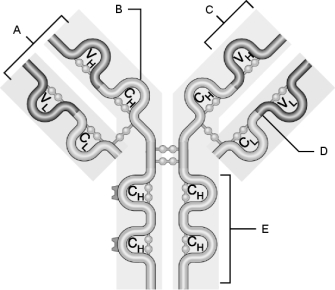 Figure 21.1Using Figure 21.1, match the following:
-Name four autoimmune diseases.
Figure 21.1Using Figure 21.1, match the following:
-Name four autoimmune diseases. (Essay)
4.8/5  (89)
(89) The directional movement of cells in response to chemicals is called chemotaxis.
(True/False)
5.0/5 (83)
(83) Which of the following is not a function of the inflammatory response?
(Multiple Choice)
4.9/5 (82)
(82) Which of the following is the correct sequence of events in phagocytosis?
(Multiple Choice)
4.7/5 (85)
(85) Adaptive immunity is provided only by lymphocytes that secrete antibodies.
(True/False)
4.8/5 (80)
(80) A 36- year- old man enters the hospital in an extremely debilitated condition. He has purple- brown skin lesions (a symptom of Kaposi's sarcoma) and a persistent cough. A physical examination reveals swollen lymph nodes, and laboratory tests find a very low lymphocyte count. Information taken during the personal history reveals that he has multiple sex partners with whom he frequently engages in unprotected sex. What is likely to be the man's problem and what is his outlook?
(Essay)
4.9/5 (81)
(81) Select the correct statement about active and passive immunity.
(Multiple Choice)
4.8/5 (70)
(70) 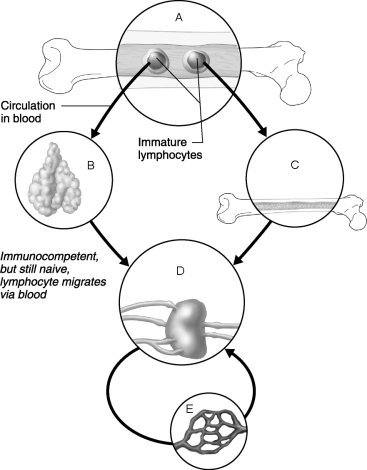 Figure 21.2Using Figure 21.2, match the following:
-Area where T cells become immunocompetent.
Figure 21.2Using Figure 21.2, match the following:
-Area where T cells become immunocompetent. (Short Answer)
4.7/5 (89)
(89) Which of the following determine(s) what specific foreign substances our adaptive immune system will be able to recognize and resist?
(Multiple Choice)
4.8/5 (73)
(73) A woman comes into the hospital emergency room complaining that she is having problems swallowing and her neck is swelling. She has a history of radiation treatment to her neck as a child for acne. What could be the problem?
(Essay)
4.8/5 (76)
(76) Which of the following does not respond to cell- mediated immunity?
(Multiple Choice)
4.7/5 (87)
(87) 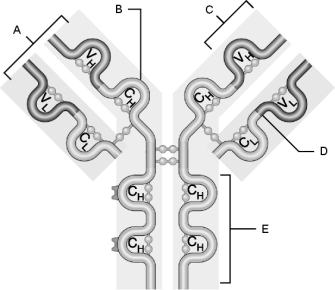 Figure 21.1Using Figure 21.1, match the following:
-Septic shock is a dangerous condition where the are released unchecked, making the capillaries very leaky and thus depleting blood fluids.
Figure 21.1Using Figure 21.1, match the following:
-Septic shock is a dangerous condition where the are released unchecked, making the capillaries very leaky and thus depleting blood fluids. (Short Answer)
4.9/5 (72)
(72) Monoclonal antibodies are used for the diagnosis of all of the following except .
(Multiple Choice)
4.7/5 (83)
(83) Virus infected cells secrete complement to "warn" other cells of the presence of virus.
(True/False)
4.7/5 (80)
(80) 
Filters
- Essay(0)
- Multiple Choice(0)
- Short Answer(0)
- True False(0)
- Matching(0)