



 Chat with AI
Exam 23: The Digestive System

Exam 1: The Human Body: an Orientation100 Questions
Exam 2: Chemistry Comes Alive120 Questions
Exam 3: Cells: the Living Units119 Questions
Exam 4: Tissue: the Living Fabric97 Questions
Exam 5: The Integumentary System107 Questions
Exam 6: Bones and Skeletal Tissues94 Questions
Exam 7: The Skeleton102 Questions
Exam 8: Joints105 Questions
Exam 9: Muscles and Muscle Tissue109 Questions
Exam 10: The Muscular System109 Questions
Exam 11: Fundamentals of the Nervous System and Nervous Tissue95 Questions
Exam 12: The Central Nervous System132 Questions
Exam 13: The Peripheral Nervous System and Reflex Activity97 Questions
Exam 14: The Autonomic Nervous System96 Questions
Exam 15: The Special Senses127 Questions
Exam 16: The Endocrine System119 Questions
Exam 17: Blood99 Questions
Exam 18: The Cardiovascular System: the Heart94 Questions
Exam 19: The Cardiovascular System: Blood Vessels107 Questions
Exam 20: The Lymphatic System and Lymphoid Organs and Tissues95 Questions
Exam 21: The Immune System: Innate and Adaptive Body Defensives118 Questions
Exam 22: The Respiratory System120 Questions
Exam 23: The Digestive System145 Questions
Exam 24: Nutrition, Metabolism, and Body Temperature Regulation114 Questions
Exam 25: The Urinary System116 Questions
Exam 26: Fluid, Electrolyte, and Acid-Base Balance94 Questions
Exam 27: The Reproductive System126 Questions
Exam 28: Pregnancy and Human Development97 Questions
Exam 29: Heredity90 Questions
Select questions type


Jose is brought to the emergency room complaining of a burning sensation in his chest, increased salivation, and difficulty in swallowing. He is having difficulty breathing and feels the presence of a "lump in his throat." The diagnosis is gastroesophageal reflux disease. Explain.
(Essay)
4.8/5  (78)
(78) Ionic iron is actively transported into the mucosal cells, where it binds to the protein ferritin, a phenomenon called the mucosal iron barrier.
(True/False)
4.8/5 (66)
(66) Which of the following is (are) not important as a stimulus in the gastric phase of gastric secretion?
(Multiple Choice)
4.8/5 (87)
(87) The relatively unchanging pressure in a filling stomach is due to the contraction of the stomach oblique muscle layer.
(True/False)
4.9/5 (78)
(78) The only essential function of the stomach is to begin the digestion of proteins.
(True/False)
4.8/5 (90)
(90) 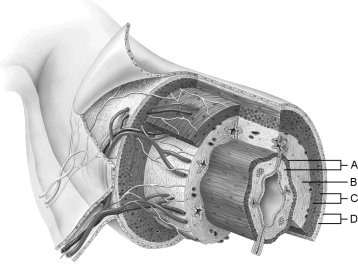 Figure 23.1Using Figure 23.1, match the following:
-The phase of gastric secretions occurs when food enters the stomach.
Figure 23.1Using Figure 23.1, match the following:
-The phase of gastric secretions occurs when food enters the stomach. (Short Answer)
4.8/5 (84)
(84) Which of the following is not a phase of gastric secretion?
(Multiple Choice)
4.8/5 (66)
(66) 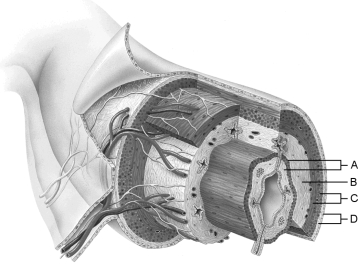 Figure 23.1Using Figure 23.1, match the following:
-Compare and contrast the structure and function of a premolar and a molar.
Figure 23.1Using Figure 23.1, match the following:
-Compare and contrast the structure and function of a premolar and a molar. (Essay)
4.7/5 (81)
(81) Assume you have been chewing a piece of bread for 5 or 6 minutes. How would you expect its taste to change during this time? Why?
(Essay)
4.8/5 (83)
(83) Mumps is an inflammation of the parotid glands caused by myxovirus.
(True/False)
4.8/5 (85)
(85) Mrs. Wong goes to the emergency room with the following symptoms: severe pain in the umbilical region, loss of appetite, nausea, and vomiting. While she was waiting to see a doctor, the pain moved to the lower right abdominal quadrant. What is the likely diagnosis and treatment?
(Essay)
4.9/5 (80)
(80) Which of the following is an essential role played by large intestine bacteria?
(Multiple Choice)
4.9/5 (78)
(78) When we ingest large molecules such as lipids, carbohydrates, and proteins, they must undergo catabolic reactions whereby enzymes split these molecules. This series of reactions is called
)
(Multiple Choice)
4.9/5 (81)
(81) Sami has been hospitalized with acute gastritis. Her symptoms were epigastric pressure (just above the stomach), headache, nausea, and vomiting with traces of old dark blood. She revealed that she had been suffering back pain and drank four shots of gin and took three aspirin to "kill the pain." What led the physician to make this diagnosis, and what may have caused the sudden attack?
(Essay)
4.8/5 (72)
(72) There are some 20 known pathogens found in the large intestine; our Ig
Antibody- mediated response restricts them from going beyond the mucosa and causing problems.
(Multiple Choice)
4.9/5 (81)
(81) 
Filters
- Essay(0)
- Multiple Choice(0)
- Short Answer(0)
- True False(0)
- Matching(0)