



 Chat with AI
Exam 5: The Integumentary System

Exam 1: The Human Body: an Orientation100 Questions
Exam 2: Chemistry Comes Alive120 Questions
Exam 3: Cells: the Living Units119 Questions
Exam 4: Tissue: the Living Fabric97 Questions
Exam 5: The Integumentary System107 Questions
Exam 6: Bones and Skeletal Tissues94 Questions
Exam 7: The Skeleton102 Questions
Exam 8: Joints105 Questions
Exam 9: Muscles and Muscle Tissue109 Questions
Exam 10: The Muscular System109 Questions
Exam 11: Fundamentals of the Nervous System and Nervous Tissue95 Questions
Exam 12: The Central Nervous System132 Questions
Exam 13: The Peripheral Nervous System and Reflex Activity97 Questions
Exam 14: The Autonomic Nervous System96 Questions
Exam 15: The Special Senses127 Questions
Exam 16: The Endocrine System119 Questions
Exam 17: Blood99 Questions
Exam 18: The Cardiovascular System: the Heart94 Questions
Exam 19: The Cardiovascular System: Blood Vessels107 Questions
Exam 20: The Lymphatic System and Lymphoid Organs and Tissues95 Questions
Exam 21: The Immune System: Innate and Adaptive Body Defensives118 Questions
Exam 22: The Respiratory System120 Questions
Exam 23: The Digestive System145 Questions
Exam 24: Nutrition, Metabolism, and Body Temperature Regulation114 Questions
Exam 25: The Urinary System116 Questions
Exam 26: Fluid, Electrolyte, and Acid-Base Balance94 Questions
Exam 27: The Reproductive System126 Questions
Exam 28: Pregnancy and Human Development97 Questions
Exam 29: Heredity90 Questions
Select questions type


The design of a person's epidermal ridges is determined by the manner in which the papillae rest upon the dermal ridges to produce the specific pattern known as handprints, footprints, and fingerprints. Which of the following statements is true regarding these prints or ridges?
(Multiple Choice)
4.8/5  (77)
(77) We are told that every surface we touch is teeming with bacteria, and bacteria are found in the pools we swim in, the water we wash with, and on the hands of friends. Why are we not inundated with bacterial infections on our skin?
(Essay)
4.9/5 (79)
(79) The epidermis consists of five layers of cells, each layer with a distinct role to play in the health, well- being, and functioning of the skin. Which of the following layers is responsible for cell division and replacement?
(Multiple Choice)
4.8/5 (94)
(94) Despite its apparent durability, the dermis is subject to tearing. How might a person know that the dermis has been previously stretched and/or torn?
(Multiple Choice)
4.9/5 (86)
(86) A needle would pierce the epidermal layers of the forearm in which order?
(Multiple Choice)
4.9/5 (82)
(82) The skin is not able to receive stimuli because the cells of the epidermis are not living and therefore there are no sensory receptors in the skin.
(True/False)
4.9/5 (74)
(74) Melanoma is a form of skin cancer that arises from melanocytes. Melanoma is most common in Caucasians between 40 and 70 years of age. Explain why Caucasians would have a greater incidence of melanoma.
(Essay)
4.8/5 (80)
(80) 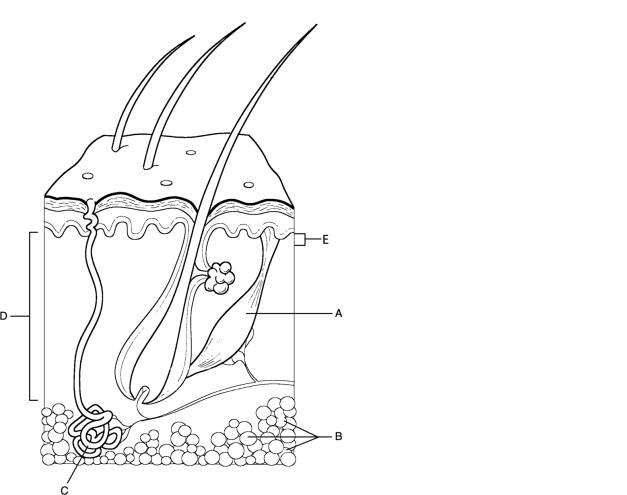 Figure 5.1Using Figure 5.1, match the following:
-What are six of the functions of the epidermis?
Figure 5.1Using Figure 5.1, match the following:
-What are six of the functions of the epidermis? (Essay)
5.0/5 (85)
(85) 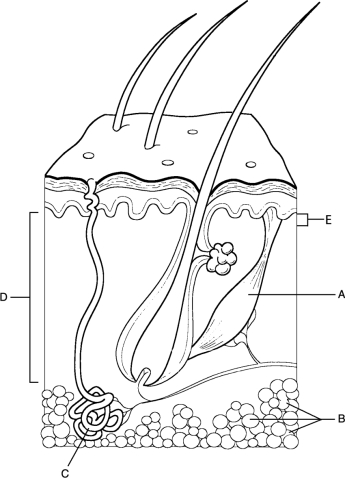 Figure 5.1Using Figure 5.1, match the following:
-In addition to the synthesis of vitamin D, keratinocytes are able to carry out some other biologically important functions. Name at least two of these other functions.
Figure 5.1Using Figure 5.1, match the following:
-In addition to the synthesis of vitamin D, keratinocytes are able to carry out some other biologically important functions. Name at least two of these other functions. (Essay)
4.9/5 (80)
(80) Burns are devastating and debilitating because of loss of fluids and electrolytes from the body. How do physicians estimate the extent of burn damage associated with such dangerous fluid loss?
(Multiple Choice)
4.8/5 (79)
(79) Although the integument is a covering, it is by no means simple, and some of its functions include
)
(Multiple Choice)
4.7/5 (90)
(90) The 68- year- old patient was admitted to the hospital medical floor with a diagnosis of chronic bronchitis. His wife asks the nurse why his skin looks blue. How would you explain cyanosis to the patient and his wife?
(Essay)
4.8/5 (82)
(82) Joe just burned himself on a hot pot. A blister forms and the burn is painful. Joe's burn would best be described as a third- degree burn.
(True/False)
4.9/5 (65)
(65) 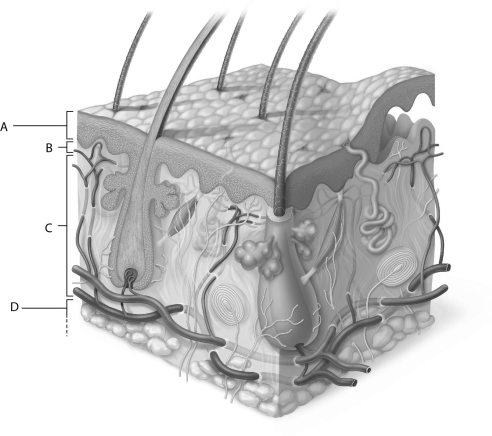 Figure 5.2Using Figure 5.2, match the following:
-Hypodermis
The composition of the secretions of the eccrine glands is .
(Multiple Choice)
4.7/5 (77)
(77) A splinter penetrated into the skin of the sole of the foot, almost to the papillary region of the dermis. Which layer of the epidermis would be the final layer injured?
(Multiple Choice)
4.9/5 (82)
(82) The pinkish hue of individuals with fair skin is the result of the crimson color of oxygenated hemoglobin (contained in red blood cells) circulating in the dermal capillaries and reflecting through the epidermis.
(True/False)
4.9/5 (82)
(82) The apocrine sweat glands are fairly unimportant in thermoregulation.
(True/False)
4.7/5 (89)
(89) Eyebrow hairs are always shorter than hairs on your head because _ .
(Multiple Choice)
4.8/5 (73)
(73) 
Filters
- Essay(0)
- Multiple Choice(0)
- Short Answer(0)
- True False(0)
- Matching(0)