



 Chat with AI
Exam 23: The Diversity of Fungi

Exam 1: An Introduction to Life on Earth85 Questions
Exam 2: Atoms, Molecules, and Life90 Questions
Exam 3: Biological Molecules98 Questions
Exam 4: Cell Structure and Function90 Questions
Exam 5: Cell Membrane Structure and Function95 Questions
Exam 6: Energy Flow in the Life of a Cell90 Questions
Exam 7: Capturing Solar Energy: Photosynthesis102 Questions
Exam 8: Harvesting Energy: Glycolysis and Cellular Respiration97 Questions
Exam 9: Cellular Reproduction133 Questions
Exam 10: Meiosis: the Basis of Sexual Reproduction103 Questions
Exam 11: Patterns of Inheritance98 Questions
Exam 12: Dna: the Molecule of Heredity97 Questions
Exam 13: Gene Expression and Regulation93 Questions
Exam 14: Biotechnology91 Questions
Exam 15: Principles of Evolution97 Questions
Exam 16: How Populations Evolve109 Questions
Exam 17: The Origin of Species89 Questions
Exam 18: The History of Life125 Questions
Exam 19: Systematics: Seeking Order Amid Diversity90 Questions
Exam 20: The Diversity of Prokaryotes and Viruses97 Questions
Exam 21: The Diversity of Protists102 Questions
Exam 22: The Diversity of Plants115 Questions
Exam 23: The Diversity of Fungi107 Questions
Exam 24: Animal Diversity I: Invertebrates101 Questions
Exam 25: Animal Diversity II: Vertebrates118 Questions
Exam 26: Animal Behavior116 Questions
Exam 27: Population Growth and Regulation114 Questions
Exam 28: Community Interactions125 Questions
Exam 29: Energy Flow and Nutrient Cycling in Ecosystems122 Questions
Exam 30: Earths Diverse Ecosystems126 Questions
Exam 31: Conserving Earths Biodiversity109 Questions
Exam 32: Homeostasis and the Organization of the Animal Body95 Questions
Exam 33: Circulation89 Questions
Exam 34: Respiration92 Questions
Exam 35: Nutrition and Digestion91 Questions
Exam 36: The Urinary System99 Questions
Exam 37: Defenses Against Disease104 Questions
Exam 38: Chemical Control of the Animal Body: the Endocrine System133 Questions
Exam 39: The Nervous System118 Questions
Exam 40: The Senses94 Questions
Exam 41: Action and Support: the Muscles and Skeleton90 Questions
Exam 42: Animal Reproduction120 Questions
Exam 43: Animal Development122 Questions
Exam 44: Plant Anatomy and Nutrient Transport95 Questions
Exam 45: Plant Reproduction and Development90 Questions
Exam 46: Plant Responses to the Environment87 Questions
Select questions type


According to the figure, the life cycle of a typical basidiomycete, basidiomycetes are for most of their life cycle.
(Multiple Choice)
5.0/5  (87)
(87) Chytrids are the fungal species best adapted to colonizing dry environments.
(True/False)
4.8/5 (88)
(88) Lichens can form from the symbiotic relationship between a photosynthetic bacterium and a fungus.
(True/False)
4.8/5 (71)
(71) Chytrids reproduce by swimming , which sets this group apart from other fungi.
(Short Answer)
4.8/5 (77)
(77) 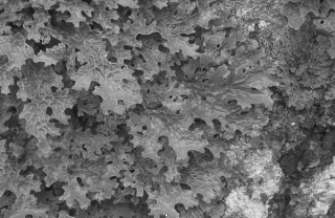
If there were no fungi, which of the following would occur?
(Multiple Choice)
4.8/5 (85)
(85) The mold used to produce blue cheeses such as Roquefort and Stilton reproduces sexually via _ .
(Short Answer)
5.0/5 (83)
(83) You must decide how to classify a newly discovered organism, but you have only limited test materials to help you make your decision. Chemical A glows if a nuclear envelope is present. Chemical B turns blue in the presence of chloroplasts. Chemical C fizzes when mixed with chitin. After testing the organism, you find out that it glows, doesn't turn blue, and fizzes. You classify this organism as a
(Multiple Choice)
4.9/5 (86)
(86) During sexual reproduction, fungi produce haploid spores via .
(Short Answer)
4.8/5 (80)
(80) Which of the following fungus causes ergot poisoning, a common cause of death in Europe in the Middle Ages?
(Multiple Choice)
4.8/5 (79)
(79) 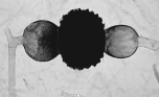
What gives blue cheeses such as Roquefort and Stilton their unique flavor?
(Multiple Choice)
4.7/5 (66)
(66) Which fungal phylum usually carries on sexual reproduction?
(Multiple Choice)
4.9/5 (87)
(87) 
Filters
- Essay(0)
- Multiple Choice(0)
- Short Answer(0)
- True False(0)
- Matching(0)