



 Chat with AI
Exam 4: Tissue: the Living Fabric

Exam 1: The Human Body: an Orientation100 Questions
Exam 2: Chemistry Comes Alive120 Questions
Exam 3: Cells: the Living Units119 Questions
Exam 4: Tissue: the Living Fabric97 Questions
Exam 5: The Integumentary System107 Questions
Exam 6: Bones and Skeletal Tissues94 Questions
Exam 7: The Skeleton102 Questions
Exam 8: Joints105 Questions
Exam 9: Muscles and Muscle Tissue109 Questions
Exam 10: The Muscular System109 Questions
Exam 11: Fundamentals of the Nervous System and Nervous Tissue95 Questions
Exam 12: The Central Nervous System132 Questions
Exam 13: The Peripheral Nervous System and Reflex Activity97 Questions
Exam 14: The Autonomic Nervous System96 Questions
Exam 15: The Special Senses127 Questions
Exam 16: The Endocrine System119 Questions
Exam 17: Blood99 Questions
Exam 18: The Cardiovascular System: the Heart94 Questions
Exam 19: The Cardiovascular System: Blood Vessels107 Questions
Exam 20: The Lymphatic System and Lymphoid Organs and Tissues95 Questions
Exam 21: The Immune System: Innate and Adaptive Body Defensives118 Questions
Exam 22: The Respiratory System120 Questions
Exam 23: The Digestive System145 Questions
Exam 24: Nutrition, Metabolism, and Body Temperature Regulation114 Questions
Exam 25: The Urinary System116 Questions
Exam 26: Fluid, Electrolyte, and Acid-Base Balance94 Questions
Exam 27: The Reproductive System126 Questions
Exam 28: Pregnancy and Human Development97 Questions
Exam 29: Heredity90 Questions
Select questions type


Mesenchymal cells are most commonly found in connective tissue.
(Multiple Choice)
4.8/5  (74)
(74) Tendon tears or breaks are difficult to repair both physiologically and surgically. Why?
(Essay)
4.8/5 (87)
(87) 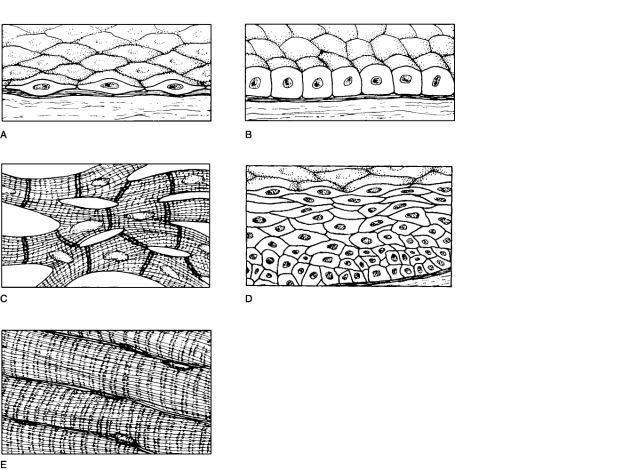 Figure 4.2Using Figure 4.2, match the following:
-Stratified squamous epithelium.
Figure 4.2Using Figure 4.2, match the following:
-Stratified squamous epithelium. (Short Answer)
4.9/5 (73)
(73) Tendons and ligaments are composed mainly of dense irregular connective tissue.
(True/False)
5.0/5 (89)
(89) Which of the following is not found in the matrix of cartilage but is found in bone?
(Multiple Choice)
4.7/5 (81)
(81) 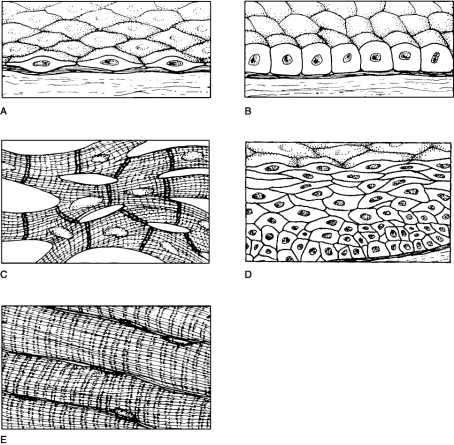 Figure 4.2Using Figure 4.2, match the following:
-Skeletal muscle.
Figure 4.2Using Figure 4.2, match the following:
-Skeletal muscle. (Short Answer)
4.8/5 (92)
(92) All of the following statements refer to events of tissue repair. Put the events in proper numbered order according to the sequence of occurrence. The initial event, the injury, is already indicated as number one.
1. The skin receives a cut that penetrates into the dermis and bleeding begins.
2. Epithelial regeneration is nearly complete.
3. Granulation tissue is formed.
4. Blood clotting occurs and stops the blood flow.
5. The wound retracts.
6. Macrophages engulf and clean away cellular debris.
7. Fibroblasts elaborate connective tissue fibers to span the break.
(Short Answer)
4.7/5 (66)
(66) Salivary glands exhibit simple tubuloalveolar glandular arrangement.
(True/False)
4.8/5 (71)
(71) Goblet cells are found within pseudostratified ciliated columnar epithelium.
(True/False)
4.9/5 (81)
(81) The reason that intervertebral discs exhibit a large amount of tensile strength, which allows them to absorb shock, is because they possess .
(Multiple Choice)
4.8/5 (70)
(70) A 45- year- old woman is admitted to the hospital for surgical removal of a tumor on her thyroid gland. The surgeon informs her that she will have only a very thin scar. How could this be possible?
(Essay)
4.8/5 (76)
(76) Elastic cartilage tissue is found in the walls of the large arteries that leave the heart.
(True/False)
4.9/5 (68)
(68) What are the primary germ layers during embryonic development and what do they ultimately produce?
(Essay)
4.9/5 (92)
(92) In adult humans, most cancers are carcinomas or adenocarcinomas. These include cancers of the skin, lung, colon, breast, and prostate. Which of the four basic tissue types is involved? Why do you think this is so?
(Essay)
4.9/5 (94)
(94) 
Filters
- Essay(0)
- Multiple Choice(0)
- Short Answer(0)
- True False(0)
- Matching(0)