



 Chat with AI
Exam 15: South and Southeast Asia Before 1200

Exam 1: Art in the Stone Age50 Questions
Exam 2: Ancient Mesopotamia and Persia50 Questions
Exam 3: Egypt From Narmer to Cleopatra50 Questions
Exam 4: The Prehistoric Aegean50 Questions
Exam 5: Ancient Greece50 Questions
Exam 6: The Etruscans50 Questions
Exam 7: The Roman Empire50 Questions
Exam 8: Late Antiquity50 Questions
Exam 9: Byzantium50 Questions
Exam 10: The Islamic World50 Questions
Exam 11: Early Medieval Europe50 Questions
Exam 12: Romanesque Europe50 Questions
Exam 13: Gothic Europe North of the Alps50 Questions
Exam 14: Late Medieval Italy50 Questions
Exam 15: South and Southeast Asia Before 120050 Questions
Exam 16: China and Korea to 127950 Questions
Exam 17: Japan Before 133350 Questions
Exam 18: Native American Cultures Before 130049 Questions
Exam 19: Africa Before 180050 Questions
Exam 20: Late Medieval and Early Renaissance Northern Europe50 Questions
Exam 21: The Renaissance in Quattrocento Italy50 Questions
Exam 22: Renaissance and Mannerism in Cinquecento Italy50 Questions
Exam 23: High Renaissance and Mannerism in Northern Europe and Spain50 Questions
Exam 24: The Baroque in Italy and Spain50 Questions
Exam 25: The Baroque in Northern Europe50 Questions
Exam 26: Rococo to Neoclassicism: the 18th Century in Europe and America50 Questions
Exam 27: Romanticism, Realism, Photography: Europe and America, 1800 to 187050 Questions
Exam 28: Impressionism, Post-Impressionism, Symbolism: Europe and America, 1870 to 190050 Questions
Exam 29: Modernism in Europe, 1900 to 194550 Questions
Exam 30: Modernism in the United States and Mexico, 1900 to 194550 Questions
Exam 31: Modernism and Postmodernism in Europe and America, 1945 to 198050 Questions
Exam 32: Contemporary Art Worldwide50 Questions
Exam 33: South and Southeast Asia, 1200 to 198050 Questions
Exam 34: China and Korea, 1279 to 198050 Questions
Exam 35: Japan, 1333 to 198050 Questions
Exam 36: Native American Cultures, 1300 to 198050 Questions
Exam 37: Oceania Before 198050 Questions
Exam 38: Africa, 1800 to 198050 Questions
Select questions type


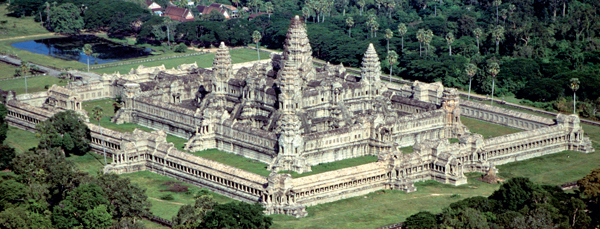 Suryavarman II built this complex at Angkor Wat to associate himself to which Hindu god?
Free
(Multiple Choice)
4.9/5  (67)
(67) Correct Answer: Verified
D
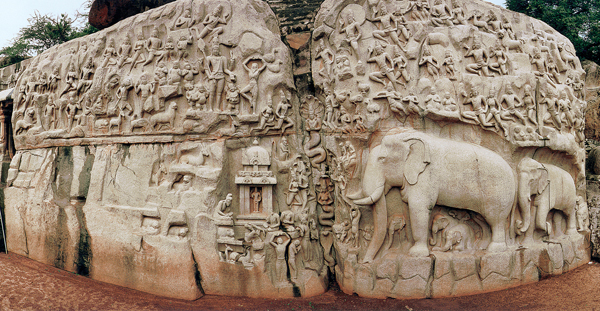 What was added to the central part of this relief to bring the story to life?
Free
(Multiple Choice)
4.9/5 (68)
(68) Correct Answer:Verified
VerifiedB
The monolithic pillars of Ashoka are said to serve as which of the following?
Free
(Multiple Choice)
4.8/5 (64)
(64) Correct Answer:Verified
VerifiedC
Which of the following is NOT a site of early Hindu stone temples and sculptures?
(Multiple Choice)
4.9/5 (82)
(82) Hindu temples of the southern type most closely resemble which form?
(Multiple Choice)
4.9/5 (78)
(78)
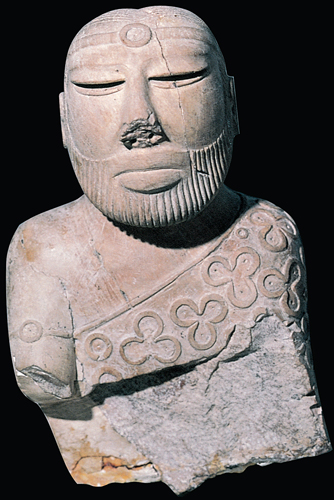 This rare Indus Civilization statue was found at which site?
 (Multiple Choice)
5.0/5 (88)
(88) The plan of the monument at Borobudur is meant to resemble which sacred form?
(Multiple Choice)
4.9/5 (89)
(89) As part of its sacrifice ritual, the Aryan religion required placing what into a fire?
(Multiple Choice)
4.8/5 (62)
(62) Which of the following was among the innovative concepts of the Upanishads?
(Multiple Choice)
4.8/5 (75)
(75) Which Buddhist shrine in Myanmar has a shiksara that resembles those of northern Hindu temples?
(Multiple Choice)
4.8/5 (77)
(77) The canonical version of statues of Buddha combines which two forms?
(Multiple Choice)
4.8/5 (85)
(85)
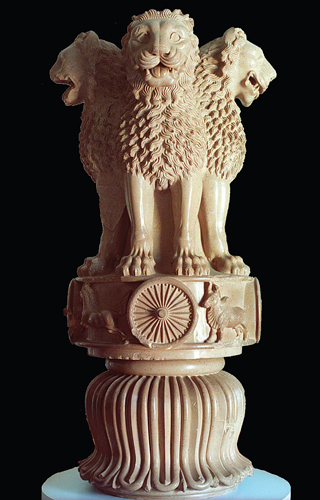 This lion capital was made during the reign of which king?
 (Multiple Choice)
4.9/5 (86)
(86) 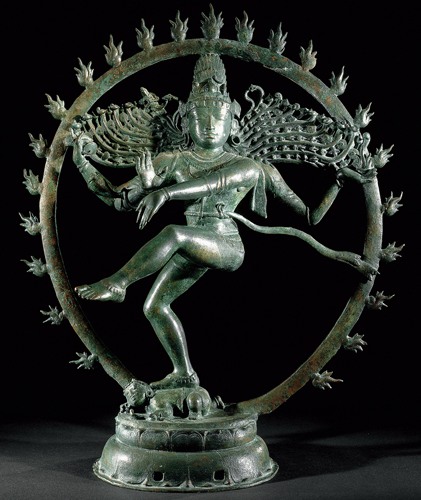 This bronze statuette represents which Hindu god?
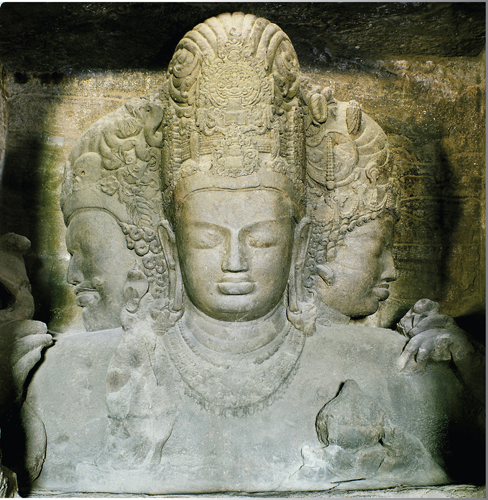 What is the subject of this composite depiction of a Hindu god?
 (Multiple Choice)
4.8/5 (82)
(82) What is the name of the mother of the Buddha, who gave birth to him through her side?
(Multiple Choice)
4.8/5 (68)
(68) The pillar of Ashoka with its lion capital shows the strong influence coming from which of the following groups?
(Multiple Choice)
4.9/5 (69)
(69) Which of the following was the unifying characteristic of the regional dynasties of South Asia in the third through first centuries BCE?
(Multiple Choice)
4.9/5 (72)
(72) 
Filters
- Essay(0)
- Multiple Choice(0)
- Short Answer(0)
- True False(0)
- Matching(0)