



 Chat with AI
Exam 25: Animal Diversity Ii: Vertebrates

Exam 1: An Introduction to Life on Earth91 Questions
Exam 2: Atoms, Molecules, and Life90 Questions
Exam 3: Biological Molecules98 Questions
Exam 4: Cell Structure and Function90 Questions
Exam 5: Cell Membrane Structure and Function96 Questions
Exam 6: Energy Flow in the Life of a Cell90 Questions
Exam 7: Capturing Solar Energy: Photosynthesis102 Questions
Exam 8: Harvesting Energy: Glycolysis and Cellular Respiration97 Questions
Exam 9: Cellular Reproduction133 Questions
Exam 10: Meiosis: the Basis of Sexual Reproduction104 Questions
Exam 11: Patterns of Inheritance98 Questions
Exam 12: DNA: The Molecule of Heredity97 Questions
Exam 13: Gene Expression and Regulation93 Questions
Exam 14: Biotechnology91 Questions
Exam 15: Principles of Evolution97 Questions
Exam 16: How Populations Evolve109 Questions
Exam 17: The Origin of Species89 Questions
Exam 18: The History of Life125 Questions
Exam 19: Systematics: Seeking Order Amid Diversity90 Questions
Exam 20: The Diversity of Prokaryotes and Viruses97 Questions
Exam 21: The Diversity of Protists102 Questions
Exam 22: The Diversity of Plants115 Questions
Exam 23: The Diversity of Fungi107 Questions
Exam 24: Animal Diversity I: Invertebrates101 Questions
Exam 25: Animal Diversity Ii: Vertebrates118 Questions
Exam 26: Animal Behavior116 Questions
Exam 27: Population Growth and Regulation114 Questions
Exam 28: Community Interactions125 Questions
Exam 29: Energy Flow and Nutrient Cycling in Ecosystems122 Questions
Exam 30: Earths Diverse Ecosystems126 Questions
Exam 31: Conserving Earths Biodiversity109 Questions
Exam 32: Homeostasis and the Organization of the Animal Body95 Questions
Exam 33: Circulation89 Questions
Exam 34: Respiration92 Questions
Exam 35: Nutrition and Digestion91 Questions
Exam 36: The Urinary System99 Questions
Exam 37: Defenses Against Disease104 Questions
Exam 38: Chemical Control of the Animal Body: the Endocrine System133 Questions
Exam 39: The Nervous System118 Questions
Exam 40: The Senses94 Questions
Exam 41: Action and Support: the Muscles and Skeleton90 Questions
Exam 42: Animal Reproduction120 Questions
Exam 43: Animal Development122 Questions
Exam 44: Plant Anatomy and Nutrient Transport95 Questions
Exam 45: Plant Reproduction and Development90 Questions
Exam 46: Plant Responses to the Environment87 Questions
Select questions type


How does the nerve cord of chordates differ from the nerve cord of animals in other taxonomic groups?
(Multiple Choice)
4.9/5  (84)
(84) The amnion creates an aquatic environment for developing embryos.
(True/False)
4.9/5 (69)
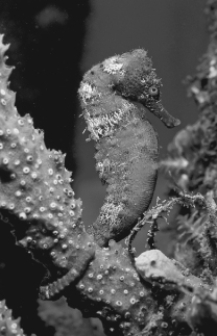
(69) 
The placenta in mammals is responsible for gas exchange for the embryo.
(True/False)
4.7/5 (86)
(86) Which characteristic differentiates hagfishes from other craniates?
(Multiple Choice)
4.8/5 (78)
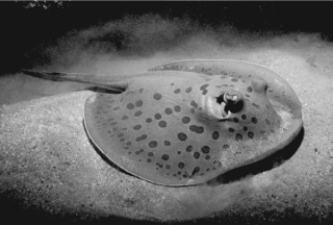
(78) 
On a remote island, a new animal is found. It has a four-chambered heart and lungs and is endothermic. It has internal fertilization, lays shelled eggs, and nurses its young after they hatch. This animal is most likely a(n)
(Multiple Choice)
4.9/5 (87)
(87) Fins composed of rod-shaped bones surrounded by thick layers of muscle are characteristic of
(Multiple Choice)
4.9/5 (67)
(67) The__________ forms from embryonic and uterine tissues and is the site of exchange between mother and embryo.
(Short Answer)
4.9/5 (74)
(74) Why are reptiles better adapted to land dwelling than amphibians are?
(Multiple Choice)
4.9/5 (81)
(81) 
Filters
- Essay(0)
- Multiple Choice(0)
- Short Answer(0)
- True False(0)
- Matching(0)