



 Chat with AI
Exam 2: Biochemistry

Exam 1: Behavioral Sciences343 Questions
Exam 2: Biochemistry307 Questions
Exam 3: Biology319 Questions
Exam 4: Critical Analysis & Reasoning Skills358 Questions
Exam 5: General Chemistry317 Questions
Exam 6: Organic Chemistry191 Questions
Exam 7: Physics200 Questions
Select questions type


Passage
Synthesis of coenzyme A (CoA) requires vitamin B5 as a substrate. In bacteria, vitamin B5 is synthesized by condensation of β-alanine and pantoic acid. β-alanine is produced by decarboxylation of L-aspartate, mediated by the enzyme aspartate α-decarboxylase (ADC). Active ADC is formed when its inactive precursor, PanD, binds to a regulatory complex composed of acetyl coenzyme A (AcCoA) and a protein known as PanZ. Formation of the PanD-PanZ-AcCoA complex causes the activation loop of PanD to fold into a β-pleated sheet, resulting in PanD autocleavage. Researchers hypothesize that this conformational change allows the Thr57 residue to cleave the N-terminal end of PanD to form ADC.The limited information on the role of PanZ in the synthesis of CoA has stimulated an investigation of its effect on ADC activity. Escherichia coli cells were provided with varying concentrations of PanZ, and the rate of β-alanine production was measured in three different conditions (Figure 1). Reaction vessels were maintained at pH 6 to ensure optimal decarboxylation activity.
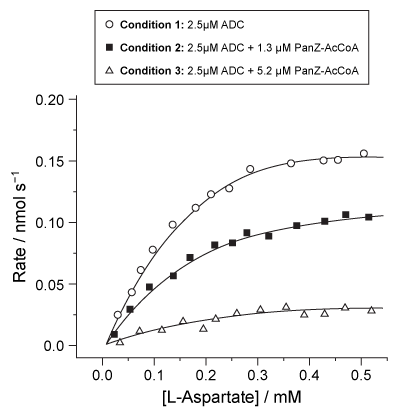 Figure 1 Catalytic activity of ADC in E. coli with increasing concentrations of L-aspartate
Adapted from Monteiro DC, Patel V, Bartlett CP, et al. The structure of the PanD/PanZ protein complex reveals negative feedback regulation of pantothenate biosynthesis by coenzyme A. Chem Biol. 2015;22(4):492-503.
-Which of the following best describes the ADC activation mechanism?
Figure 1 Catalytic activity of ADC in E. coli with increasing concentrations of L-aspartate
Adapted from Monteiro DC, Patel V, Bartlett CP, et al. The structure of the PanD/PanZ protein complex reveals negative feedback regulation of pantothenate biosynthesis by coenzyme A. Chem Biol. 2015;22(4):492-503.
-Which of the following best describes the ADC activation mechanism? (Multiple Choice)
4.8/5  (72)
(72) Passage
Human gamma-glutamyl transpeptidase (hGGT) is an enzyme involved in cysteine homeostasis, and its overexpression has been linked to asthma, cancer, and other diseases. It catalyzes the addition of water across a bond to cleave extracellular glutathione (GSH) into glutamate and a dipeptide composed of cysteine and glycine. It is believed to function by the mechanism shown in Figure 1.
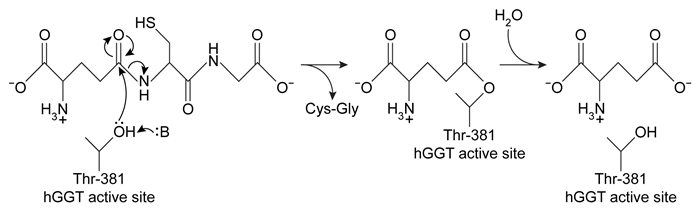 Figure 1 Proposed mechanism of hGGT-mediated GSH cleavageResearchers interested in investigating hGGT inhibitors as a treatment for pathologies related to excess hGGT activity performed the following experiments, each containing the same concentration of hGGT.Experiment 1hGGT was incubated with various concentrations of GSH in the presence or absence of 250-μM candidate compound acivicin or Compound 1. However, both candidates were found to be unsuitable as acivicin showed significant neurotoxicity and Compound 1 acted as an activator instead of an inhibitor.
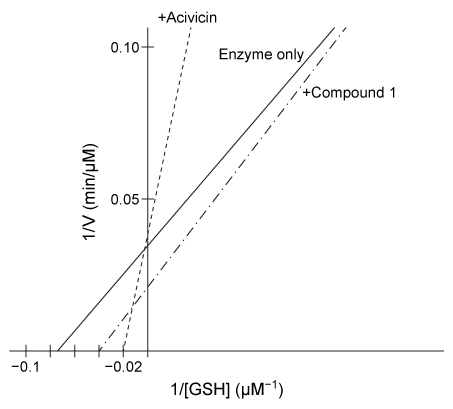 Figure 2 Lineweaver-Burk plot of hGGT activity with respect to GSH in the presence or absence of 250-μM candidate inhibitorsExperiment 2Researchers hypothesized that slight variations in the structure of Compound 1 could result in hGGT inhibition and tested several derivatives, shown in Table 1.Table 1 Kinetic Parameters of hGGT in the Presence or Absence of Several Candidate Inhibitors at 250 μM
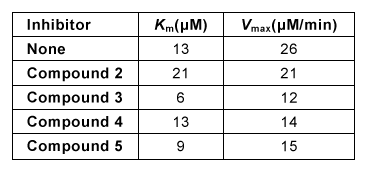 Experiment 3To better understand the physiological conditions under which hGGT operates, researchers exposed a cultured cell line expressing hGGT on the cell surface to a solution that mimicked the composition of extracellular fluid, including levels of GSH. They found that in this setup, uninhibited hGGT results in a reaction rate that is approximately ½Vmax.
Adapted from Wickham S, Regan N, West MB, et al. Inhibition of human ?-glutamyl transpeptidase: development of more potent, physiologically relevant, uncompetitive inhibitors. Biochem J. 2013;450(3):547-57.
-Based on Figure 2, 250 μM acivicin has what effect on the Km of hGGT?
Figure 1 Proposed mechanism of hGGT-mediated GSH cleavageResearchers interested in investigating hGGT inhibitors as a treatment for pathologies related to excess hGGT activity performed the following experiments, each containing the same concentration of hGGT.Experiment 1hGGT was incubated with various concentrations of GSH in the presence or absence of 250-μM candidate compound acivicin or Compound 1. However, both candidates were found to be unsuitable as acivicin showed significant neurotoxicity and Compound 1 acted as an activator instead of an inhibitor.
Figure 2 Lineweaver-Burk plot of hGGT activity with respect to GSH in the presence or absence of 250-μM candidate inhibitorsExperiment 2Researchers hypothesized that slight variations in the structure of Compound 1 could result in hGGT inhibition and tested several derivatives, shown in Table 1.Table 1 Kinetic Parameters of hGGT in the Presence or Absence of Several Candidate Inhibitors at 250 μM
Experiment 3To better understand the physiological conditions under which hGGT operates, researchers exposed a cultured cell line expressing hGGT on the cell surface to a solution that mimicked the composition of extracellular fluid, including levels of GSH. They found that in this setup, uninhibited hGGT results in a reaction rate that is approximately ½Vmax.
Adapted from Wickham S, Regan N, West MB, et al. Inhibition of human ?-glutamyl transpeptidase: development of more potent, physiologically relevant, uncompetitive inhibitors. Biochem J. 2013;450(3):547-57.
-Based on Figure 2, 250 μM acivicin has what effect on the Km of hGGT? (Multiple Choice)
4.8/5 (79)
(79) Passage
Porphyrin biosynthesis is a multistep process that is required for production of porphyrin derivatives such as heme, which is a crucial component of hemoglobin, myoglobin, and the cytochrome cofactors of the electron transport chain. In the first step of this pathway, the enzyme porphobilinogen synthase catalyzes the production of porphobilinogen (PBGN) from two δ-aminolevulinate molecules, as shown in Reaction 1.
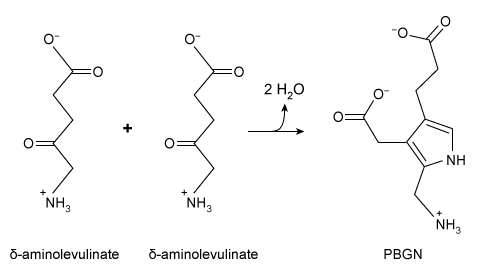 Reaction 1In the next step, the monomeric enzyme hydroxymethylbilane synthase (HMBS) combines four PBGN molecules to form hydroxymethylbilane (Reaction 2). Several additional steps are required to convert hydroxymethylbilane to heme.
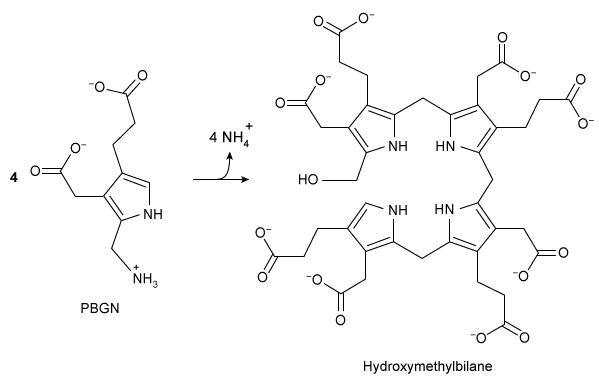 Reaction 2Defects in HMBS activity can lead to accumulation of δ-aminolevulinate and porphobilinogen in the liver and blood plasma. The accumulation of these molecules can cause acute intermittent porphyria, a disorder characterized by episodes of severe abdominal pain. Researchers expressed, purified, and assessed several variants of HMBS for enzymatic activity (Table 1) and thermal stability (Figure 1).Table 1 Michaelis-Menten equations generated from several HMBS variants, with V0 and Vmax measured in nmol/hr and [PBGN] and Km measured in μM. (Note: All reactions were carried out with 1 μM HMBS.)
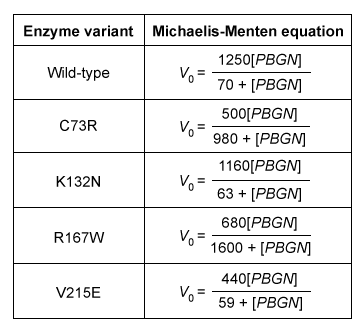
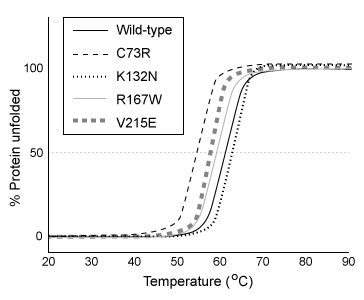 Figure 1 Thermal stability of several HMBS variants
-Which Michaelis-Menten plot represents the kinetics of wild-type HMBS?
Reaction 1In the next step, the monomeric enzyme hydroxymethylbilane synthase (HMBS) combines four PBGN molecules to form hydroxymethylbilane (Reaction 2). Several additional steps are required to convert hydroxymethylbilane to heme.
Reaction 2Defects in HMBS activity can lead to accumulation of δ-aminolevulinate and porphobilinogen in the liver and blood plasma. The accumulation of these molecules can cause acute intermittent porphyria, a disorder characterized by episodes of severe abdominal pain. Researchers expressed, purified, and assessed several variants of HMBS for enzymatic activity (Table 1) and thermal stability (Figure 1).Table 1 Michaelis-Menten equations generated from several HMBS variants, with V0 and Vmax measured in nmol/hr and [PBGN] and Km measured in μM. (Note: All reactions were carried out with 1 μM HMBS.)
Figure 1 Thermal stability of several HMBS variants
-Which Michaelis-Menten plot represents the kinetics of wild-type HMBS? (Multiple Choice)
4.8/5 (84)
(84) Passage
The liver plays a central role in maintaining blood glucose homoeostasis. It contains the highest concentration of glycogen of any organ in the body and is one of few organs that can regenerate glucose from metabolic byproducts. The liver can replenish glucose in muscle and brain tissue during times of fasting, and it can help prevent lactate accumulation during intense physical activity.Von Gierke disease is a rare autosomal recessive disorder that arises from inactivating mutations in the liver enzyme glucose 6-phosphatase (G6Pase). It affects roughly 1 in 100,000 individuals, and the resulting loss of both hormonal sensitivity and enzymatic activity leads to hypoglycemia (low blood sugar). Von Gierke can also cause an increase in blood acidity concurrent with lactate build-up. Patients typically become symptomatic shortly after birth with convulsions, hyperventilation, and tremors. Left untreated, patients may develop gout, osteoporosis, and life-threatening complications such as kidney failure and liver tumors.In an effort to examine the biochemical consequences of this disorder, scientists generated a genetically engineered mouse model with liver G6Pase expression under the control of the Tet-Off system at both alleles. Under this system, addition of the small molecule tetracycline in the water source of the mouse rapidly shuts off G6Pase gene expression and therefore can recapitulate von Gierke disease. Blood glucose and pH levels were measured daily in two groups of genetically engineered mice over 20 days: group A mice received no tetracycline and group B mice were given tetracycline starting at day 10. All mice were fed identical low-sugar diets throughout the experiment.
Adapted from Froissart R, Piraud M, Boudjemline AM, et al. Glucose-6-phosphatase deficiency. Orphanet J Rare Dis. 2011;6:27.
-Group A mice, but not group B mice, could use which of the following dietary supplements to help maintain blood glucose levels after day 10?
(Multiple Choice)
4.8/5 (77)
(77) Passage
The influenza A virus is an enveloped RNA virus with potential for zoonosis (transmission from animals to humans). It obtains its plasma membrane from its host cell, but the composition of the viral envelope and vertebrate plasma membrane are distinct. The envelope of H6-G225D consists mostly of phosphatidylethanolamine as well as some negatively charged glycerophospholipids. The outer membrane contains hemagglutinin (HA) proteins that bind to the carbohydrate known as sialic acid (SA) on host cell receptor proteins, facilitating viral entry. It also contains neuraminidase enzymes that break the bond between SA and galactose in the host membrane glycans, allowing new virions to be released.Minute changes in the genes that code for HA proteins can alter the virulence, host, and attachment mechanism. In general, influenza A infects avian species by attaching to tracheal tissue, which displays SA groups bound to receptors through an α-2,3-glycosidic linkage to galactose (Figure 1). Avian viruses generally cannot attack human cells, in which SA is linked to galactose through an α-2,6-glycosidic linkage instead of an α-2,3 linkage.
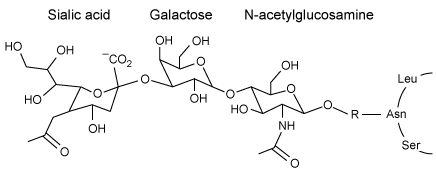 Figure 1 Structure of the influenza A receptor in avian cell membranesIn a recent study, however, a G225D substitution in HA, caused by a GGC to GAU codon mutation, enabled avian virions to infect human cells. The stability of G225D HA proteins was compared to that of H6-P186L, which is created by a single CCC to CUC mutation and exclusively infects avian cells, and H1N1, which targets only humans. The viral RNA of H6-P186L, H6-G225D, and H1N1 was cloned using cDNA and expressed in embryonic kidney cells. The melting curve of each purified HA protein was determined using differential scanning calorimetry, with peaks representing melting temperatures (Figure 2).
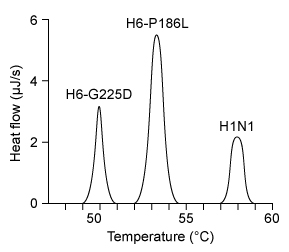 Figure 2 Hemagglutinin melting curves for H6N1 and H1N1 influenza A strains
Adapted from De vries RP, Tzarum N, Peng W, et al. A single mutation in Taiwanese H6N1 influenza hemagglutinin switches binding to human-type receptors. EMBO Mol Med. 2017;9(9):1314-1325.
-Which viruses would provide the necessary controls for an experiment designed to determine whether H6-G225D can infect human cells but not avian cells?WT-H6N1 that attaches only to avian tracheal tissueH1N1 that attaches only to human tracheal tissueV190D and G225D double mutant, which binds neither α-2,6- nor α-2,3- sialic acids
Figure 1 Structure of the influenza A receptor in avian cell membranesIn a recent study, however, a G225D substitution in HA, caused by a GGC to GAU codon mutation, enabled avian virions to infect human cells. The stability of G225D HA proteins was compared to that of H6-P186L, which is created by a single CCC to CUC mutation and exclusively infects avian cells, and H1N1, which targets only humans. The viral RNA of H6-P186L, H6-G225D, and H1N1 was cloned using cDNA and expressed in embryonic kidney cells. The melting curve of each purified HA protein was determined using differential scanning calorimetry, with peaks representing melting temperatures (Figure 2).
Figure 2 Hemagglutinin melting curves for H6N1 and H1N1 influenza A strains
Adapted from De vries RP, Tzarum N, Peng W, et al. A single mutation in Taiwanese H6N1 influenza hemagglutinin switches binding to human-type receptors. EMBO Mol Med. 2017;9(9):1314-1325.
-Which viruses would provide the necessary controls for an experiment designed to determine whether H6-G225D can infect human cells but not avian cells?WT-H6N1 that attaches only to avian tracheal tissueH1N1 that attaches only to human tracheal tissueV190D and G225D double mutant, which binds neither α-2,6- nor α-2,3- sialic acids (Multiple Choice)
4.7/5 (84)
(84) Proteins A, B, C, and D are dimers. They were run on a reducing SDS gel, shown below: 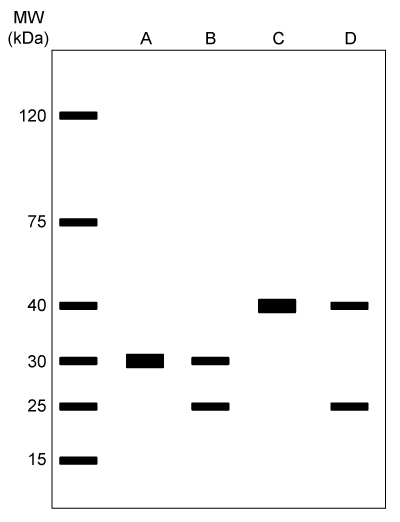 What is the order of molecular weights of the proteins in their native state, from largest to smallest?
 (Multiple Choice)
4.8/5 (82)
(82) Passage
Diabetic nephropathy (kidney disease) is characterized in part by a significant decrease in the glomerular filtration rate. Podocytes are differentiated cells that surround the glomerular capillaries and counteract the pressure of blood filtration. Hyperglycemia (elevated blood glucose) and capillary hypertension (high blood pressure), both of which are common in diabetic patients, can subject podocytes to mechanical stress. This mechanical stress has been shown to regulate glucose uptake by podocytes, possibly by altering the production of glucose transport (GLUT) proteins.Researchers investigating GLUT2 and GLUT4 expression in rat podocytes measured the impact of mechanical stress on glucose uptake. Cells were grown for 4 hours on membranes exposed to atmospheric (atm) or high air pressure (HP) to mimic mechanical stress. Antibodies specific to GLUT2 and GLUT4 were used to visualize the expression of each under normal glucose (NG) and hyperglycemic (HG) conditions, and to assess the effect of mechanical stress on expression. The uptake of a radiolabeled glucose analogue, [3H]-2-deoxy-D-glucose (3H-2DG), was then determined. The quantity of 3H-2DG transported by each GLUT protein was directly proportional to the cell surface expression.
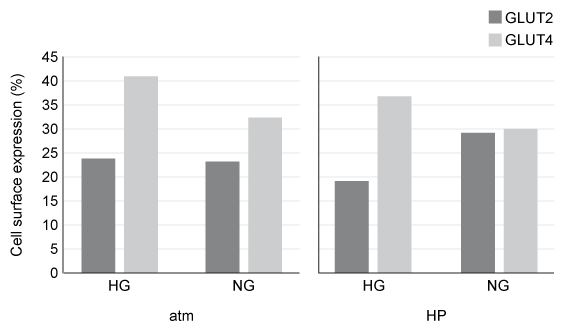 Figure 1 Cell surface expression of GLUT transporters in response to mechanical stress and varying glucose concentration.In vivo studies have shown that transport via GLUT2 is noninducible and depends only on extracellular glucose concentrations. However, GLUT4-mediated uptake is induced by insulin binding and occurs under high glucose conditions when insulin is released. The standard Km values for GLUT2 and GLUT4 are 19.4 and 4.3 mM, respectively, at normal blood glucose levels after a meal (~7.8 mM). The data shown in Figure 2 represent the combined kinetic properties of both transporters.
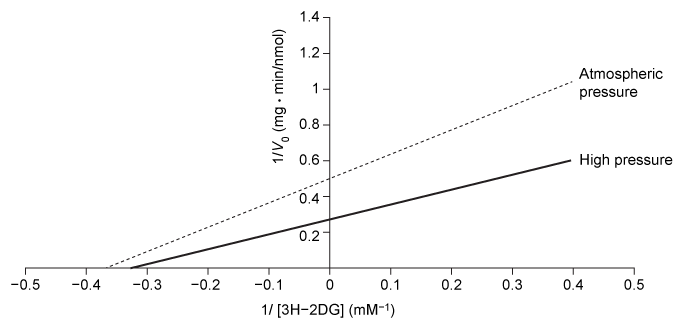 Figure 2 Plot of glucose uptake in podocytes with and without mechanical stress.
Adapted from Lewko, B., Bryl, E., Witkowski, J. M., Latawiec, E., Angielski, S., & Stepinski, J. (2005). Mechanical stress and glucose concentration modulate glucose transport in cultured rat podocytes. Nephrology Dialysis Transplantation, 20(2), 306-311.
-Based on the data in Figure 1, which experimental conditions will generate the highest maximum velocity for each transporter?
Figure 1 Cell surface expression of GLUT transporters in response to mechanical stress and varying glucose concentration.In vivo studies have shown that transport via GLUT2 is noninducible and depends only on extracellular glucose concentrations. However, GLUT4-mediated uptake is induced by insulin binding and occurs under high glucose conditions when insulin is released. The standard Km values for GLUT2 and GLUT4 are 19.4 and 4.3 mM, respectively, at normal blood glucose levels after a meal (~7.8 mM). The data shown in Figure 2 represent the combined kinetic properties of both transporters.
Figure 2 Plot of glucose uptake in podocytes with and without mechanical stress.
Adapted from Lewko, B., Bryl, E., Witkowski, J. M., Latawiec, E., Angielski, S., & Stepinski, J. (2005). Mechanical stress and glucose concentration modulate glucose transport in cultured rat podocytes. Nephrology Dialysis Transplantation, 20(2), 306-311.
-Based on the data in Figure 1, which experimental conditions will generate the highest maximum velocity for each transporter? (Multiple Choice)
4.8/5 (84)
(84) The affinity of a protein for its ligand was measured by isothermal titration calorimetry. The experiment was repeated multiple times to mitigate error by:
(Multiple Choice)
4.8/5 (85)
(85) Passage
The innate immune system relies heavily on the phagocytic action of neutrophils, mobile white blood cells that engulf and degrade bacteria and viruses as the first line of host defense against invading pathogens. One mechanism for eliminating viruses engulfed in the phagosome involves the degradation of viral proteins by neutrophil serine proteases (NSPs).NSPs, which form part of the chymotrypsin family of serine proteases, cleave viral proteins using a catalytic triad relay system. Originally discovered in granules released by neutrophils, NSP4 is a novel monomeric serine protease that has been studied to elucidate the catalytic mechanism of NSPs. Prior experimental data suggest that NSP4 alters its tertiary structure upon substrate binding and cleaves viral proteins using the acylation reaction shown in Figure 1.
 Figure 1 Degradation of viral proteins by acylation of NSP4Computational methods were used to identify the energetic parameters of reactions between NSP4 and synthetic viral proteins. To ensure that simulated reactions resembled physiological conditions, algorithms were adjusted to account for the enzyme being in an aqueous environment. The rate-determining step in the acylation reaction was determined by calculating the changes in free energy in both the enzyme and substrate (Figure 2).
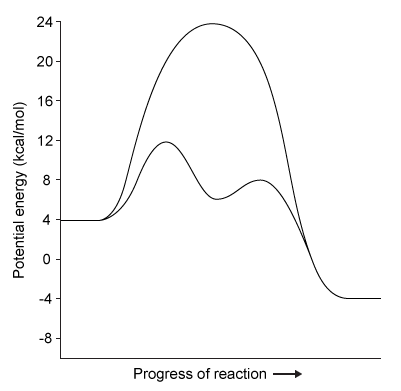 Figure 2 Free energy profiles of synthetic viral protein cleavageKnowledge of amino acid frequency distribution at an enzymatic active site may facilitate the design of novel active sites and enzyme-specific inhibitors. Researchers analyzed the composition of amino acids that form the NSP4 active site during protein folding to study the characteristics of residues involved in active site formation (Figure 3).
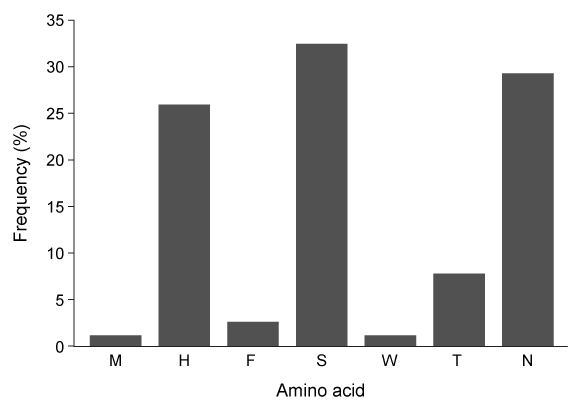 Figure 3 Frequency distribution of amino acid residues at the NSP4 active site
Adapted from Stapels DA, Geisbrecht BV, Rooijakkers SH. Neutrophil serine proteases in antibacterial defense. Curr Opin Microbiol. 2015;23:42-8.
-The figure below shows the active site of NSP4 with three residues that are essential for catalysis.
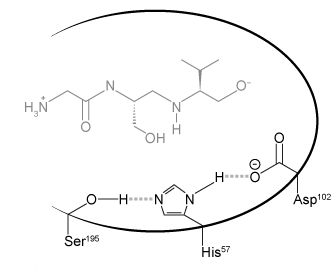 If site-directed mutagenesis was used to create a missense mutation at His57, this would likely result in which of the following changes regarding the enzyme-catalyzed degradation of the viral peptide depicted in the active site?The time required for the reaction to achieve equilibrium would increase.The equilibrium constant Keq of the reaction would decrease.The enzyme-substrate dissociation constant Kd would increase.
Figure 1 Degradation of viral proteins by acylation of NSP4Computational methods were used to identify the energetic parameters of reactions between NSP4 and synthetic viral proteins. To ensure that simulated reactions resembled physiological conditions, algorithms were adjusted to account for the enzyme being in an aqueous environment. The rate-determining step in the acylation reaction was determined by calculating the changes in free energy in both the enzyme and substrate (Figure 2).
Figure 2 Free energy profiles of synthetic viral protein cleavageKnowledge of amino acid frequency distribution at an enzymatic active site may facilitate the design of novel active sites and enzyme-specific inhibitors. Researchers analyzed the composition of amino acids that form the NSP4 active site during protein folding to study the characteristics of residues involved in active site formation (Figure 3).
Figure 3 Frequency distribution of amino acid residues at the NSP4 active site
Adapted from Stapels DA, Geisbrecht BV, Rooijakkers SH. Neutrophil serine proteases in antibacterial defense. Curr Opin Microbiol. 2015;23:42-8.
-The figure below shows the active site of NSP4 with three residues that are essential for catalysis. If site-directed mutagenesis was used to create a missense mutation at His57, this would likely result in which of the following changes regarding the enzyme-catalyzed degradation of the viral peptide depicted in the active site?The time required for the reaction to achieve equilibrium would increase.The equilibrium constant Keq of the reaction would decrease.The enzyme-substrate dissociation constant Kd would increase. (Multiple Choice)
4.9/5 (76)
(76) Passage
Antimicrobial peptides are an important component of innate immunity. Since their discovery in 1939, over 5,000 peptides with antimicrobial properties have been isolated from organisms in every domain of life. They have demonstrated activity against enveloped viruses, bacteria, fungi, and even tumor cells and have recently gained interest for their potential in fighting antibiotic-resistant bacteria. Most known antimicrobial peptides are positively charged, but some with negative charges have also been discovered.Frogs are known to secrete a variety of antimicrobial peptides as a major source of immunity. Secretions from a new species of frog were collected and the peptides were separated by cation exchange chromatography. Four of the isolated peptides demonstrated strong antibacterial activity and were characterized by isoelectric focusing and sequencing:
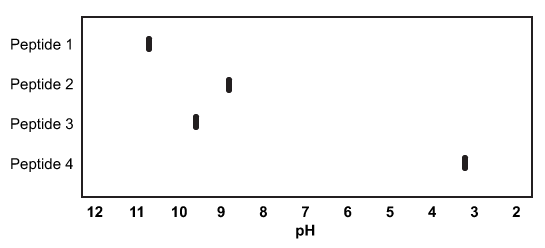 Figure 1 Results of isoelectric focusing of four antimicrobial peptidesTable 1 Amino Acid Compositions of Four Antimicrobial Peptides
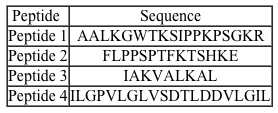 Adapted from Wang Z, Wang G. APD: the Antimicrobial Peptide Database. Nucleic Acids Res. 2004;32(Database issue):D590-2.
-Which amino acid residue is most likely responsible for the decreased isoelectric point of Peptide 2 relative to Peptide 3?
Figure 1 Results of isoelectric focusing of four antimicrobial peptidesTable 1 Amino Acid Compositions of Four Antimicrobial Peptides
Adapted from Wang Z, Wang G. APD: the Antimicrobial Peptide Database. Nucleic Acids Res. 2004;32(Database issue):D590-2.
-Which amino acid residue is most likely responsible for the decreased isoelectric point of Peptide 2 relative to Peptide 3? (Multiple Choice)
5.0/5 (85)
(85) Passage
The tumor suppressor p53 is a homotetrameric protein with an N-terminal transactivation domain (TAD), a proline-rich domain, a DNA-binding domain (DBD), a tetramerization domain (TD), and a C-terminal regulatory domain (REG) on each subunit (Figure 1).
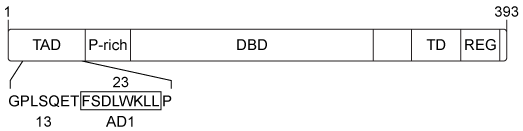 Figure 1 Organization of the p53 domains (1-393 amino acids)Human double minute 2 (Hdm2) is a lysine-specific ubiquitin protein ligase that can change the half-life of some proteins, including p53, by signaling for their proteolytic cleavage. Under normal circumstances, Hdm2 binds p53 at the AD1 region within the TAD and attaches ubiquitin to a lysine residue. However, errors in DNA replication induce the phosphorylation of residue T18 on p53, which inhibits p53's association with Hdm2. The overexpression of Hdm2 has been correlated with the downregulation of tumor suppressor p53 in certain types of cancers. Changes in the NMR chemical shift (ppm) of amino acids in the AD1 region shown in Figure 2 provide evidence for the formation of a p53-Hdm2 complex.
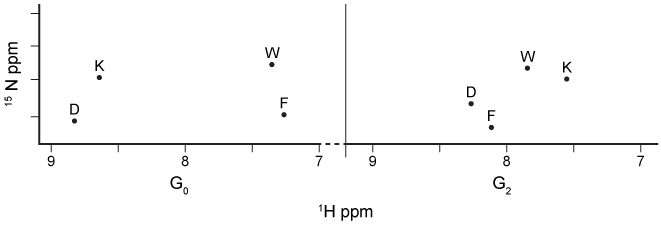 Figure 2 1H NMR spectrum of the AD1 region in 15N-labeled p53 during G0 and G2 phases of the cell cycleHdm2 also binds to Nedd8 ultimate buster 1 (NUB1), which enhances signaling for the degradation of Nedd8 proteins. Preliminary data suggest that Hdm2 interacts differently with wild-type NUB1 (WTNUB1) than with mutant K159RNUB1. To assess the effect of Hdm2 on NUB1 and p53, the half-lives of p53 and Nedd8 protein variants were compared in cells that overexpress Hdm2 (Figure 3).
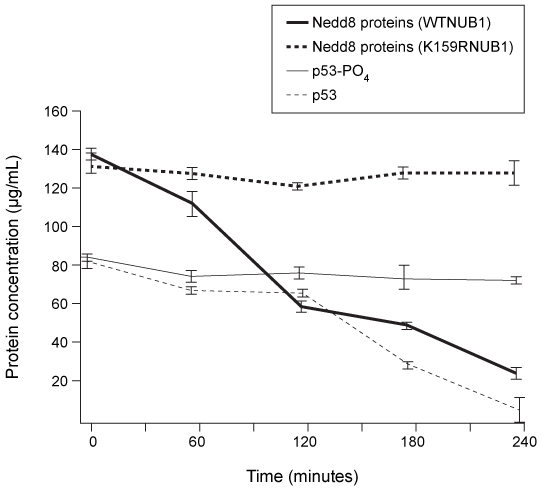 Figure 3 Half-lives of p53, phosphorylated p53 (p53-PO4), and Nedd-8 proteins in cells with wild-type or mutant NUB1 over time
Adapted from Ferreon JC, Lee CW, Arai M, Martinez-yamout MA, Dyson HJ, Wright PE. Cooperative regulation of p53 by modulation of ternary complex formation with CBP/p300 and HDM2. Proc Natl Acad Sci USA. 2009;106(16):6591-6.
-Which of the following mutations would most likely decrease the degradation of p53?
Figure 1 Organization of the p53 domains (1-393 amino acids)Human double minute 2 (Hdm2) is a lysine-specific ubiquitin protein ligase that can change the half-life of some proteins, including p53, by signaling for their proteolytic cleavage. Under normal circumstances, Hdm2 binds p53 at the AD1 region within the TAD and attaches ubiquitin to a lysine residue. However, errors in DNA replication induce the phosphorylation of residue T18 on p53, which inhibits p53's association with Hdm2. The overexpression of Hdm2 has been correlated with the downregulation of tumor suppressor p53 in certain types of cancers. Changes in the NMR chemical shift (ppm) of amino acids in the AD1 region shown in Figure 2 provide evidence for the formation of a p53-Hdm2 complex.
Figure 2 1H NMR spectrum of the AD1 region in 15N-labeled p53 during G0 and G2 phases of the cell cycleHdm2 also binds to Nedd8 ultimate buster 1 (NUB1), which enhances signaling for the degradation of Nedd8 proteins. Preliminary data suggest that Hdm2 interacts differently with wild-type NUB1 (WTNUB1) than with mutant K159RNUB1. To assess the effect of Hdm2 on NUB1 and p53, the half-lives of p53 and Nedd8 protein variants were compared in cells that overexpress Hdm2 (Figure 3).
Figure 3 Half-lives of p53, phosphorylated p53 (p53-PO4), and Nedd-8 proteins in cells with wild-type or mutant NUB1 over time
Adapted from Ferreon JC, Lee CW, Arai M, Martinez-yamout MA, Dyson HJ, Wright PE. Cooperative regulation of p53 by modulation of ternary complex formation with CBP/p300 and HDM2. Proc Natl Acad Sci USA. 2009;106(16):6591-6.
-Which of the following mutations would most likely decrease the degradation of p53? (Multiple Choice)
4.7/5 (81)
(81) During gluconeogenesis, the enzyme phosphoenolpyruvate carboxykinase (PEPCK) catalyzes production of phosphoenolpyruvate (PEP) by decarboxylating oxaloacetate and transferring a phosphate group from GTP. What is the balanced equation for this reaction?
(Multiple Choice)
4.8/5 (91)
(91) A kinetics experiment reveals that the enzyme fumarase catalyzes the dehydration of malate with a kcat of 900 s−1. If the substrate concentration is equal to the Km of the reaction, what is the reaction velocity when the enzyme concentration is 200 nM?
(Multiple Choice)
4.9/5 (88)
(88) Passage
The HIV-derived transactivator of transcription (Tat) is a short peptide with the sequence RKKRRQRRRPPQ. When paired with liposomes (ie, synthetic vesicles) composed of cationic lipids, Tat can transport large molecules across cell membranes and has been studied as a vector for gene therapy. However, Tat delivers cargo to cells with relatively low efficiency. Researchers hypothesized that a Tat homodimer could yield stronger DNA binding than the monomer, which may improve the efficiency of DNA delivery.To study this hypothesis, Tat and two variant peptides (Variants 1 and 2) were produced by solid-phase peptide synthesis, in which the growing peptide chain is immobilized on polystyrene beads. Unlike biological systems, solid-phase synthesis assembles peptides from the C-terminus to the N-terminus, as shown in Figure 1.
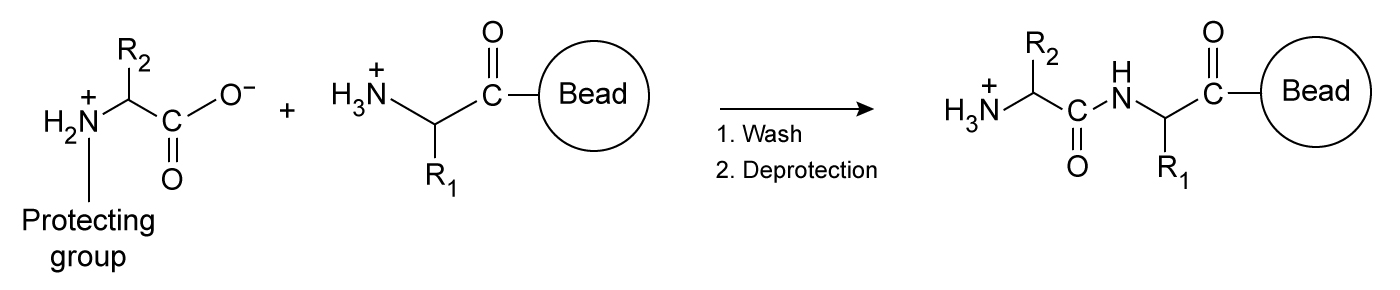 Figure 1 Simplified schematic of one round of solid-phase peptide synthesis. The protecting group is removed during deprotection. The process is repeated until the peptide is complete.Variants 1 and 2 contained a C-terminal and an N-terminal cysteine residue, respectively. Each variant was allowed to dimerize by disulfide bond formation. Peptide-DNA binding interactions were then studied by mixing varying amounts of each peptide with plasmid DNA encoding luciferase protein (pLuc). The resulting peptide-DNA complexes were run on agarose gels, with results displayed in Figure 2.
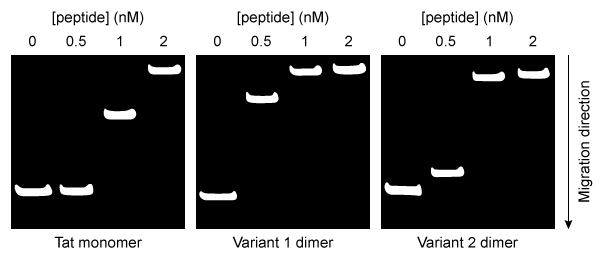 Figure 2 Agarose gel results for pLuc plasmid exposed to varying amounts of each peptideEqual concentrations of each type of peptide-DNA complex were then incubated with cationic liposomes and exposed to cultured cells for 24 hours. The cells were then assessed for luciferase activity. Greater luciferase activity indicated more efficient delivery of the pLuc plasmid. The results are shown in Figure 3.
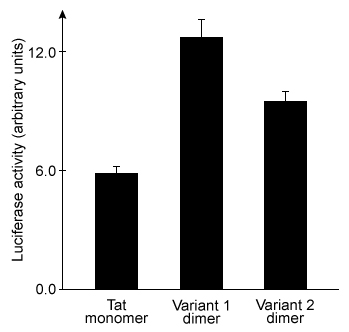 Figure 3 Plasmid delivery efficiency of three peptides, as measured by induced luciferase activity
Adapted from Lee S-J, Yoon S-H, Doh K-O. Enhancement of gene delivery using novel homodimeric tat peptide formed by disulfide bond. J Microbiol Biotechnol. 2011;21(8):802-807.
-The Tat peptide consists primarily of amino acids with side chains that are:
Figure 1 Simplified schematic of one round of solid-phase peptide synthesis. The protecting group is removed during deprotection. The process is repeated until the peptide is complete.Variants 1 and 2 contained a C-terminal and an N-terminal cysteine residue, respectively. Each variant was allowed to dimerize by disulfide bond formation. Peptide-DNA binding interactions were then studied by mixing varying amounts of each peptide with plasmid DNA encoding luciferase protein (pLuc). The resulting peptide-DNA complexes were run on agarose gels, with results displayed in Figure 2.
Figure 2 Agarose gel results for pLuc plasmid exposed to varying amounts of each peptideEqual concentrations of each type of peptide-DNA complex were then incubated with cationic liposomes and exposed to cultured cells for 24 hours. The cells were then assessed for luciferase activity. Greater luciferase activity indicated more efficient delivery of the pLuc plasmid. The results are shown in Figure 3.
Figure 3 Plasmid delivery efficiency of three peptides, as measured by induced luciferase activity
Adapted from Lee S-J, Yoon S-H, Doh K-O. Enhancement of gene delivery using novel homodimeric tat peptide formed by disulfide bond. J Microbiol Biotechnol. 2011;21(8):802-807.
-The Tat peptide consists primarily of amino acids with side chains that are: (Multiple Choice)
4.9/5 (71)
(71) Polyglutaraldehyde (PGA) can form linkages with amines. PGA could potentially cross-link with which residue in the active site of signal peptidase, shown below? 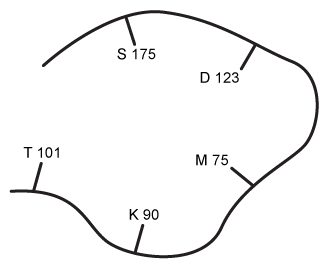
(Multiple Choice)
4.9/5 (77)
(77) Passage
Leukocyte common antigen (LCA) enzymes play several important developmental roles in both vertebrates and invertebrates. They regulate numerous cellular processes by catalyzing Reaction 1 in target proteins at specific developmental stages. Consequently, LCA enzyme expression and activity are tightly controlled in various cell types.
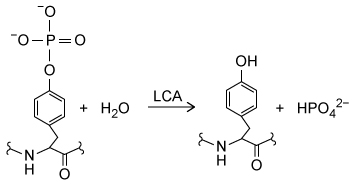 Reaction 1The Src protein is critical for cell differentiation and motility, and is activated by LCA enzyme activity. Two LCA enzymes, known as LAR and CD45, were purified and incubated with the phosphopeptide src527 (Figure 1), derived from Src.
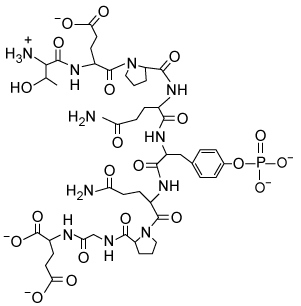 Figure 1 Structure of the src527 peptide used as a substrate in LAR and CD45 assaysThe rate of Reaction 1 was measured at various concentrations of src527 in the presence of either LAR or CD45, and kinetic parameters were determined (Table 1).Table 1 Kinetic Parameters of LAR and CD45
 Compound 1 was synthesized and tested for its effectiveness as an inhibitor of LCA enzymes.
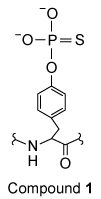 The study in Table 1 was repeated in the presence of Compound 1, which was found to significantly reduce the activities of both LAR and CD45 against the src527 peptide. Compound 1 was subsequently used in assays to examine the in vivo function of LCA enzymes.
Adapted from Cho H, Krishnaraj R, Itoh M, et al. Substrate specificities of catalytic fragments of protein tyrosine phosphatases (HPTP beta, LAR, and CD45) toward phosphotyrosylpeptide substrates and thiophosphotyrosylated peptides as inhibitors. Protein Sci. 1993;2(6):977-84.
-Based on Table 1, the turnover number (kcat) of CD45 exceeds that of LAR by what factor?
Reaction 1The Src protein is critical for cell differentiation and motility, and is activated by LCA enzyme activity. Two LCA enzymes, known as LAR and CD45, were purified and incubated with the phosphopeptide src527 (Figure 1), derived from Src.
Figure 1 Structure of the src527 peptide used as a substrate in LAR and CD45 assaysThe rate of Reaction 1 was measured at various concentrations of src527 in the presence of either LAR or CD45, and kinetic parameters were determined (Table 1).Table 1 Kinetic Parameters of LAR and CD45
Compound 1 was synthesized and tested for its effectiveness as an inhibitor of LCA enzymes.
The study in Table 1 was repeated in the presence of Compound 1, which was found to significantly reduce the activities of both LAR and CD45 against the src527 peptide. Compound 1 was subsequently used in assays to examine the in vivo function of LCA enzymes.
Adapted from Cho H, Krishnaraj R, Itoh M, et al. Substrate specificities of catalytic fragments of protein tyrosine phosphatases (HPTP beta, LAR, and CD45) toward phosphotyrosylpeptide substrates and thiophosphotyrosylated peptides as inhibitors. Protein Sci. 1993;2(6):977-84.
-Based on Table 1, the turnover number (kcat) of CD45 exceeds that of LAR by what factor? (Multiple Choice)
4.7/5 (87)
(87) Passage
Destabilase, an enzyme found in the saliva of leeches, exhibits at least two activities: isopeptidase activity and glycosidase activity. Isopeptidase activity is believed to prevent blood clotting by hydrolyzing the isopeptide bond between the ε-amino group of lysine and the γ-carboxyl group of glutamate in fibrin monomers. The enzyme's glycosidase activity digests sugars found in the peptidoglycans of bacterial cell walls and may play a role in innate immunity.Two isoforms of destabilase were tagged with a polyhistidine tail and recombinantly expressed in E. coli cells. Both isoforms were then purified by affinity chromatography and eluted by imidazole, which competes with histidine-tagged proteins for column binding. Each isoform eluted efficiently with 300 mM imidazole. Five microliters of each purified enzyme were then provided with saturating levels of substrate and assessed for isopeptidase and glycosidase activity at various pH levels, which allowed the optimal pH of enzymatic activities for each isoform to be identified (Figure 1). Further studies showed that at optimal pH, both isoforms had approximately the same kcat values, but isoform 2 had a lower Km than isoform 1 for both enzymatic activities.
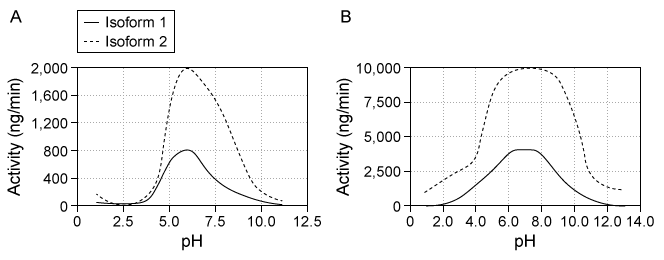 Figure 1 Isopeptidase activity (A) and glycosidase activity (B) of 5 μL of destabilase isoforms 1 and 2 at various pH valuesIsoform 2 was further characterized by mutating specific residues and measuring enzymatic activities at optimal pH. The results are shown in Figure 2.
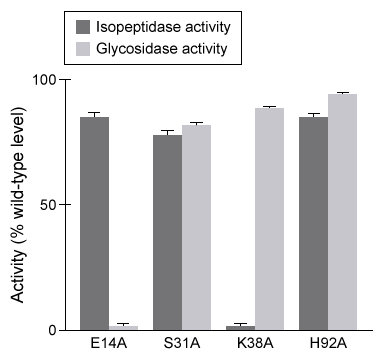 Figure 2 Isopeptidase and glycosidase activity of isoform 2 of destabilase with various mutations
-Both isoforms of destabilase have approximately the same kcat values for isopeptidase activity at optimal pH, but Figure 1 shows that when 5 μL of each purified enzyme was provided with saturating levels of substrate, the isoforms had different levels of activity. What factor could explain this apparent discrepancy?
Figure 1 Isopeptidase activity (A) and glycosidase activity (B) of 5 μL of destabilase isoforms 1 and 2 at various pH valuesIsoform 2 was further characterized by mutating specific residues and measuring enzymatic activities at optimal pH. The results are shown in Figure 2.
Figure 2 Isopeptidase and glycosidase activity of isoform 2 of destabilase with various mutations
-Both isoforms of destabilase have approximately the same kcat values for isopeptidase activity at optimal pH, but Figure 1 shows that when 5 μL of each purified enzyme was provided with saturating levels of substrate, the isoforms had different levels of activity. What factor could explain this apparent discrepancy? (Multiple Choice)
4.9/5 (79)
(79) Passage
Tumor hypoxia is a marker of resistance to chemotherapy and radiation. The low oxygen saturation in solid tumors activates hypoxia-inducible factors (HIFs), which stimulate the expression of genes required for angiogenesis, erythropoiesis, and glucose utilization. Under normal conditions, HIF-DNA binding is interrupted by HIF-prolyl hydroxylases (HIF-PHDs), enzymes that hydroxylate aliphatic residues such as leucine or proline on HIFs. These hydroxylated residues serve as markers for the ubiquitin-proteasome system. Researchers have proposed that changes in oxygen-dependent pathways such as the citric acid cycle can regulate HIF-PHD activity.Experiment 1A kinematic study was conducted to test the effect of citric acid cycle intermediates on HIF-PHDs. Fumarate and succinate were examined with purified HIF-PHD against increasing concentrations of 2-oxoglutarate (2-OG), an HIF analog.
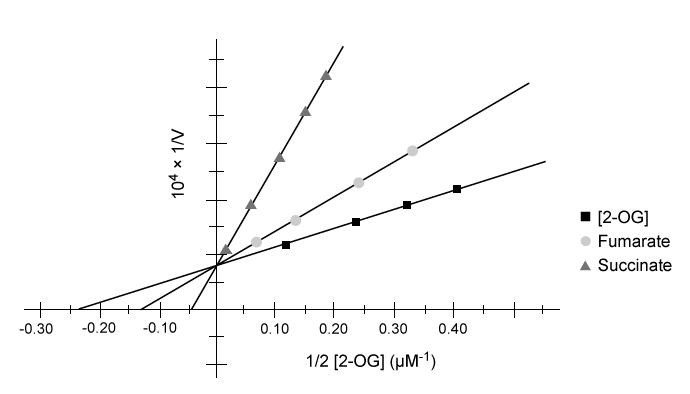 Figure 1 Activity of HIF-PHD exposed to succinate and fumarate in vitro based on 2-OG catalysisExperiment 2Researchers measured HIF-1a, a HIF subunit, using western blot analysis in wild-type (FH+) and fumarate-deficient (FH−) cells that were treated with fumarate under normoxic and hypoxic conditions (Figure 2).
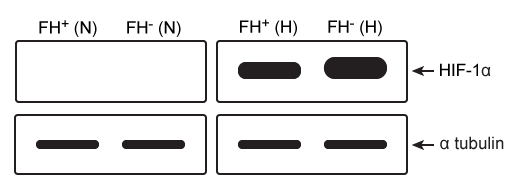 Figure 2 HIF-1a in FH+ and FH− cells grown in vitro under normoxic (N) and hypoxic (H) conditions
Adapted from Koivunen P, Hirsilä M, Remes AM, Hassinen IE, Kivirikko KI, Myllyharju J. Inhibition of hypoxia-inducible factor (HIF) hydroxylases by citric acid cycle intermediates: possible links between cell metabolism and stabilization of HIF. J Biol Chem. 2007;282(7):4524-32.
-The peptide substrate (PS) binds HIF-PHDs outside of the active site. PS binds to both HIF-PHD and HIF-PHD-2-OG complexes with equal affinity. According to the passage, which graph would represent the effect of PS on HIF-PHD activity?
Figure 1 Activity of HIF-PHD exposed to succinate and fumarate in vitro based on 2-OG catalysisExperiment 2Researchers measured HIF-1a, a HIF subunit, using western blot analysis in wild-type (FH+) and fumarate-deficient (FH−) cells that were treated with fumarate under normoxic and hypoxic conditions (Figure 2).
Figure 2 HIF-1a in FH+ and FH− cells grown in vitro under normoxic (N) and hypoxic (H) conditions
Adapted from Koivunen P, Hirsilä M, Remes AM, Hassinen IE, Kivirikko KI, Myllyharju J. Inhibition of hypoxia-inducible factor (HIF) hydroxylases by citric acid cycle intermediates: possible links between cell metabolism and stabilization of HIF. J Biol Chem. 2007;282(7):4524-32.
-The peptide substrate (PS) binds HIF-PHDs outside of the active site. PS binds to both HIF-PHD and HIF-PHD-2-OG complexes with equal affinity. According to the passage, which graph would represent the effect of PS on HIF-PHD activity? (Multiple Choice)
4.8/5 (81)
(81) Activity assays were performed to determine the best purification method for a cell-free extract of Protein X. The results of the assays are shown below. 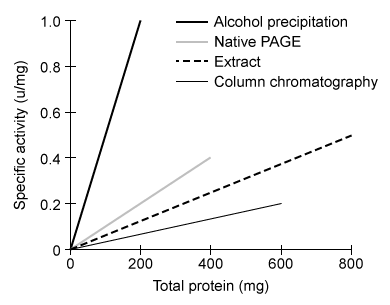 Based on the data, what was the highest purification yield of Protein X?
 (Multiple Choice)
4.9/5 (77)
(77) Passage
DNA polymerization is one of the most conserved mechanisms of genome replication. Synthesis of a complete DNA strand requires a template, primers, a polymerase enzyme, and sufficient deoxyribonucleotide triphosphates (dNTPs). The DNA polymerase enzyme binds consecutive base pairs on the template strand and extends the double helix by adding dNTPs to the primer. The amino acid residues in the active site of DNA polymerase form hydrogen bonds with Watson-Crick donors and acceptors on incoming DNA nucleotides to facilitate base pairing.The formation of the DNA double helix creates opposing changes in entropy and enthalpy. Favorable bonding interactions via hydrogen bonds during Watson-Crick base pairing results in negative enthalpy, and restricted rotation and flexibility of the DNA backbone generates negative entropy. Scientists hypothesize that hydrogen bonding between bases not only stabilizes the double helix but is also crucial for selective and efficient replication.Analogs that are similar in size and shape to naturally occurring bases can be used to determine the influence of hydrogen bonding on base pair selectivity. To mimic the structure of deoxythymidine triphosphate (dTTP), researchers synthesized dNTP derivatives of difluorotoluene (dFTP), a nonpolar analog that lacks Watson-Crick hydrogen bonding. Klenow fragment (KF) polymerase, which has 3′-5′ but not 5′-3′ exonuclease activity, was incubated with a mixture of DNA template, primers, and dNTPs, including dFTP derivatives. The efficiency of dFTP and natural dTTP nucleotide incorporation into a growing primer strand by KF is shown in Figure 1.
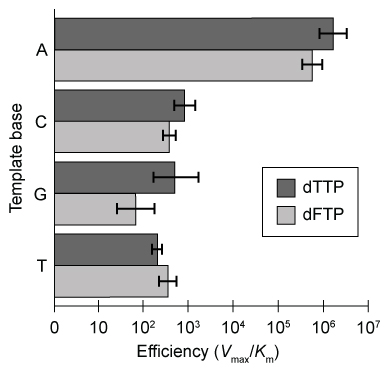 Figure 1 Template-specific selection of dFTP and dTTP by the KF enzyme
Adapted from Moran S, Ren RX, Kool ET. A thymidine triphosphate shape analog lacking Watson-Crick pairing ability is replicated with high sequence selectivity. Proc Natl Acad Sci USA. 1997;94(20):10506-11.
-The Klenow fragment used in the experiment would be able to perform which of the following repair processes?
Figure 1 Template-specific selection of dFTP and dTTP by the KF enzyme
Adapted from Moran S, Ren RX, Kool ET. A thymidine triphosphate shape analog lacking Watson-Crick pairing ability is replicated with high sequence selectivity. Proc Natl Acad Sci USA. 1997;94(20):10506-11.
-The Klenow fragment used in the experiment would be able to perform which of the following repair processes? (Multiple Choice)
4.9/5 (81)
(81) 
Filters
- Essay(0)
- Multiple Choice(0)
- Short Answer(0)
- True False(0)
- Matching(0)