



 Chat with AI
Exam 2: Biochemistry

Exam 1: Behavioral Sciences343 Questions
Exam 2: Biochemistry307 Questions
Exam 3: Biology319 Questions
Exam 4: Critical Analysis & Reasoning Skills358 Questions
Exam 5: General Chemistry317 Questions
Exam 6: Organic Chemistry191 Questions
Exam 7: Physics200 Questions
Select questions type


Passage
Upon entering muscle cells, glucose is immediately phosphorylated by hexokinase to produce glucose 6-phosphate (G6P). This phosphorylation event prevents glucose from exiting the cell. G6P may then enter one of three metabolic pathways, depending on the needs of the cell (Figure 1).
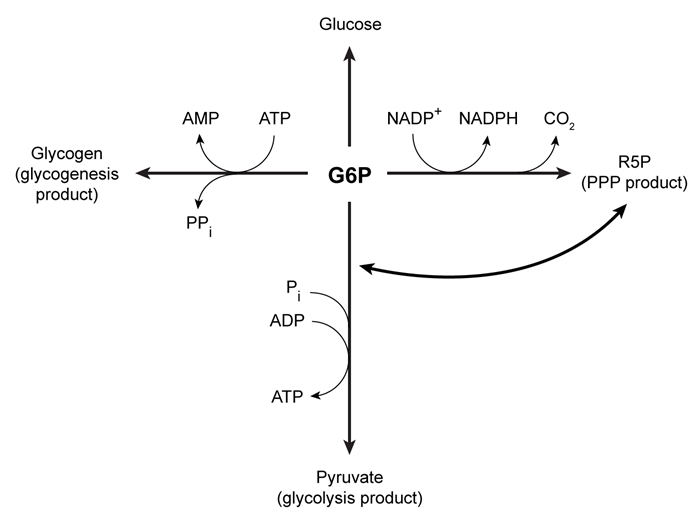 Figure 1 Three potential fates of G6P, determined by the needs of the cellUnder low ATP conditions, G6P enters glycolysis, where it is converted to two pyruvate molecules. The energy released in this process produces a net total of two ATP molecules per glucose molecule consumed. The resulting pyruvate molecules can then enter the mitochondria, where they participate in additional metabolic reactions that produce more ATP.When the cell experiences oxidative stress, G6P enters the pentose phosphate pathway (PPP) and produces NADPH, a reducing agent. During this process, G6P loses one carbon atom in the form of CO2 and is converted to ribose 5-phosphate (R5P), which is required for nucleotide synthesis. In addition to low NADPH conditions, G6P may also enter the PPP during replication, when nucleotides are needed for DNA synthesis. If nucleotides are not needed but energy is, R5P can be converted back to glycolytic intermediates and reenter glycolysis. Each glucose molecule that is converted to R5P prior to glycolysis yields an average of 1.67 ATP molecules.When all the cell's metabolic requirements are met, additional G6P can enter glycogenesis and produce glycogen, which stores glucose for later use; this process consumes ATP. When signal molecules bind G protein-coupled receptors on muscle cells, glycogenolysis is activated to release individual monomers from glycogen, allowing them to enter the appropriate pathway.
-The fact that glycogenolysis in muscle cells is activated by signal molecules binding to G protein-coupled receptors suggests that glycogenolysis can be induced by which of the following?
Figure 1 Three potential fates of G6P, determined by the needs of the cellUnder low ATP conditions, G6P enters glycolysis, where it is converted to two pyruvate molecules. The energy released in this process produces a net total of two ATP molecules per glucose molecule consumed. The resulting pyruvate molecules can then enter the mitochondria, where they participate in additional metabolic reactions that produce more ATP.When the cell experiences oxidative stress, G6P enters the pentose phosphate pathway (PPP) and produces NADPH, a reducing agent. During this process, G6P loses one carbon atom in the form of CO2 and is converted to ribose 5-phosphate (R5P), which is required for nucleotide synthesis. In addition to low NADPH conditions, G6P may also enter the PPP during replication, when nucleotides are needed for DNA synthesis. If nucleotides are not needed but energy is, R5P can be converted back to glycolytic intermediates and reenter glycolysis. Each glucose molecule that is converted to R5P prior to glycolysis yields an average of 1.67 ATP molecules.When all the cell's metabolic requirements are met, additional G6P can enter glycogenesis and produce glycogen, which stores glucose for later use; this process consumes ATP. When signal molecules bind G protein-coupled receptors on muscle cells, glycogenolysis is activated to release individual monomers from glycogen, allowing them to enter the appropriate pathway.
-The fact that glycogenolysis in muscle cells is activated by signal molecules binding to G protein-coupled receptors suggests that glycogenolysis can be induced by which of the following? (Multiple Choice)
4.9/5  (91)
(91) Based on the titration curve of an unknown amino acid, shown below, can the side chain of the amino acid readily exchange protons with water? 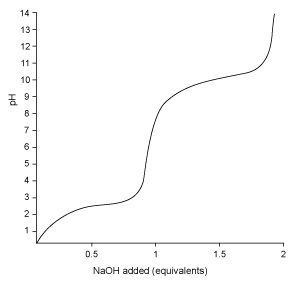
(Multiple Choice)
4.8/5 (95)
(95) 4-hydroxy-2-nonenal (4HNE), shown below, interacts with proteins by forming covalent bonds with the nucleophilic side chains of amino acids. If a protein were incubated with 4HNE and then degraded by proteases, which of the following could represent the structure and charge of an amino acid bound to 4HNE at pH 7? 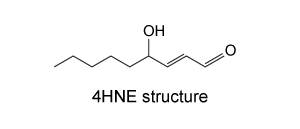
(Multiple Choice)
5.0/5 (81)
(81) A solution of which amino acid will NOT rotate plane polarized light?
(Multiple Choice)
4.9/5 (87)
(87) Passage
Leptin signaling is vital for maintaining adequate body mass and preventing insulin resistance. When energy stores are abundant, adipocytes produce leptin to stimulate fatty acid oxidation and glucose utilization. One result of leptin signaling in skeletal muscle cells is the phosphorylation and activation of adenosine monophosphate-activated protein kinase (AMPK). AMPK facilitates the breakdown of triglycerides by decreasing the activity of acetyl-coenzyme A carboxylase (ACC); this leads to downregulation of fatty acid synthesis and upregulation of β-oxidation.Fatty acid oxidation has been studied by analyzing the effect of leptin on activation of AMPK and ACC in soleus muscles. To identify leptin's mode of action, injections were administered to transgenic mice via the intravenous (1 mg/kg i.v.) and intrahypothalamic (1 ng i.h.p [faster drug delivery]) routes. Phentolamine (PH), an α-adrenergic receptor ligand that binds to the same receptor as leptin, was administered concurrently in some of the mice. Signaling to ACC from the citric acid cycle was also examined through the addition of citrate.
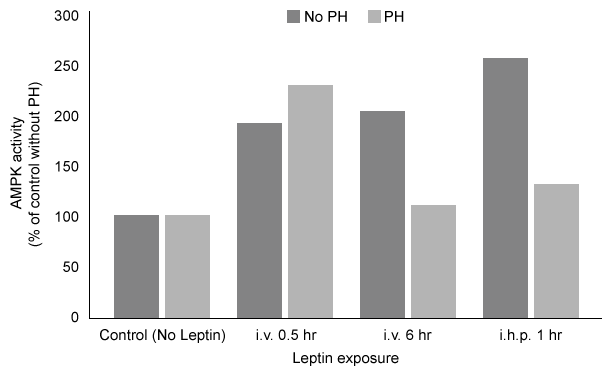 Figure 1 AMPK activity measured in soleus muscle injected with leptin and PH via i.v. and i.h.p.Table 1 ACC Activity in Soleus Muscle Exposed to Leptin Delivered via i.v. and i.h.p Injections in vivo
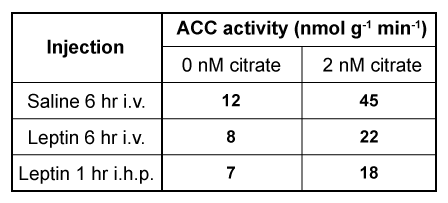 Adapted from Minokoshi Y, Kim YB, Peroni OD, et al. Leptin stimulates fatty-acid oxidation by activating AMP-activated protein kinase. Nature. 2002;415(6869):339-43.
-The addition of AMPK phosphatases to skeletal muscles exposed to leptin would result in which of the following?
Figure 1 AMPK activity measured in soleus muscle injected with leptin and PH via i.v. and i.h.p.Table 1 ACC Activity in Soleus Muscle Exposed to Leptin Delivered via i.v. and i.h.p Injections in vivo
Adapted from Minokoshi Y, Kim YB, Peroni OD, et al. Leptin stimulates fatty-acid oxidation by activating AMP-activated protein kinase. Nature. 2002;415(6869):339-43.
-The addition of AMPK phosphatases to skeletal muscles exposed to leptin would result in which of the following? (Multiple Choice)
4.8/5 (74)
(74) If a frameshift mutation changes the number of amino acids in a protein from 591 to 626, the difference between molecular weights of the wild-type and mutant proteins would be closest to:
(Multiple Choice)
5.0/5 (69)
(69) The amino acid methionine can be converted to succinyl-CoA to enter the citric acid cycle. How many NADH molecules can be produced by each methionine molecule that enters the citric acid cycle by this pathway?
(Multiple Choice)
4.8/5 (79)
(79) Passage
DNA polymerization is one of the most conserved mechanisms of genome replication. Synthesis of a complete DNA strand requires a template, primers, a polymerase enzyme, and sufficient deoxyribonucleotide triphosphates (dNTPs). The DNA polymerase enzyme binds consecutive base pairs on the template strand and extends the double helix by adding dNTPs to the primer. The amino acid residues in the active site of DNA polymerase form hydrogen bonds with Watson-Crick donors and acceptors on incoming DNA nucleotides to facilitate base pairing.The formation of the DNA double helix creates opposing changes in entropy and enthalpy. Favorable bonding interactions via hydrogen bonds during Watson-Crick base pairing results in negative enthalpy, and restricted rotation and flexibility of the DNA backbone generates negative entropy. Scientists hypothesize that hydrogen bonding between bases not only stabilizes the double helix but is also crucial for selective and efficient replication.Analogs that are similar in size and shape to naturally occurring bases can be used to determine the influence of hydrogen bonding on base pair selectivity. To mimic the structure of deoxythymidine triphosphate (dTTP), researchers synthesized dNTP derivatives of difluorotoluene (dFTP), a nonpolar analog that lacks Watson-Crick hydrogen bonding. Klenow fragment (KF) polymerase, which has 3′-5′ but not 5′-3′ exonuclease activity, was incubated with a mixture of DNA template, primers, and dNTPs, including dFTP derivatives. The efficiency of dFTP and natural dTTP nucleotide incorporation into a growing primer strand by KF is shown in Figure 1.
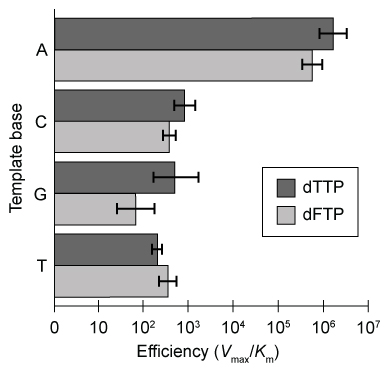 Figure 1 Template-specific selection of dFTP and dTTP by the KF enzyme
Adapted from Moran S, Ren RX, Kool ET. A thymidine triphosphate shape analog lacking Watson-Crick pairing ability is replicated with high sequence selectivity. Proc Natl Acad Sci USA. 1997;94(20):10506-11.
-Which of the following would NOT be present in the structure of the dFTP nucleotide used for replication?
Figure 1 Template-specific selection of dFTP and dTTP by the KF enzyme
Adapted from Moran S, Ren RX, Kool ET. A thymidine triphosphate shape analog lacking Watson-Crick pairing ability is replicated with high sequence selectivity. Proc Natl Acad Sci USA. 1997;94(20):10506-11.
-Which of the following would NOT be present in the structure of the dFTP nucleotide used for replication? (Multiple Choice)
5.0/5 (79)
(79) Passage
The influenza A virus is an enveloped RNA virus with potential for zoonosis (transmission from animals to humans). It obtains its plasma membrane from its host cell, but the composition of the viral envelope and vertebrate plasma membrane are distinct. The envelope of H6-G225D consists mostly of phosphatidylethanolamine as well as some negatively charged glycerophospholipids. The outer membrane contains hemagglutinin (HA) proteins that bind to the carbohydrate known as sialic acid (SA) on host cell receptor proteins, facilitating viral entry. It also contains neuraminidase enzymes that break the bond between SA and galactose in the host membrane glycans, allowing new virions to be released.Minute changes in the genes that code for HA proteins can alter the virulence, host, and attachment mechanism. In general, influenza A infects avian species by attaching to tracheal tissue, which displays SA groups bound to receptors through an α-2,3-glycosidic linkage to galactose (Figure 1). Avian viruses generally cannot attack human cells, in which SA is linked to galactose through an α-2,6-glycosidic linkage instead of an α-2,3 linkage.
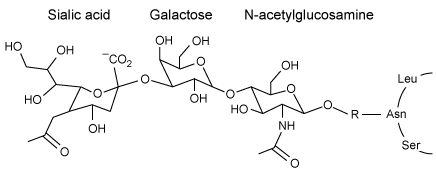 Figure 1 Structure of the influenza A receptor in avian cell membranesIn a recent study, however, a G225D substitution in HA, caused by a GGC to GAU codon mutation, enabled avian virions to infect human cells. The stability of G225D HA proteins was compared to that of H6-P186L, which is created by a single CCC to CUC mutation and exclusively infects avian cells, and H1N1, which targets only humans. The viral RNA of H6-P186L, H6-G225D, and H1N1 was cloned using cDNA and expressed in embryonic kidney cells. The melting curve of each purified HA protein was determined using differential scanning calorimetry, with peaks representing melting temperatures (Figure 2).
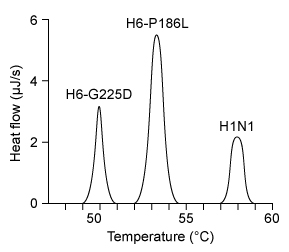 Figure 2 Hemagglutinin melting curves for H6N1 and H1N1 influenza A strains
Adapted from De vries RP, Tzarum N, Peng W, et al. A single mutation in Taiwanese H6N1 influenza hemagglutinin switches binding to human-type receptors. EMBO Mol Med. 2017;9(9):1314-1325.
-Compared to H6-P186L virions, H6-G225D virions exhibit:
Figure 1 Structure of the influenza A receptor in avian cell membranesIn a recent study, however, a G225D substitution in HA, caused by a GGC to GAU codon mutation, enabled avian virions to infect human cells. The stability of G225D HA proteins was compared to that of H6-P186L, which is created by a single CCC to CUC mutation and exclusively infects avian cells, and H1N1, which targets only humans. The viral RNA of H6-P186L, H6-G225D, and H1N1 was cloned using cDNA and expressed in embryonic kidney cells. The melting curve of each purified HA protein was determined using differential scanning calorimetry, with peaks representing melting temperatures (Figure 2).
Figure 2 Hemagglutinin melting curves for H6N1 and H1N1 influenza A strains
Adapted from De vries RP, Tzarum N, Peng W, et al. A single mutation in Taiwanese H6N1 influenza hemagglutinin switches binding to human-type receptors. EMBO Mol Med. 2017;9(9):1314-1325.
-Compared to H6-P186L virions, H6-G225D virions exhibit: (Multiple Choice)
5.0/5 (66)
(66) Amino acid catabolism releases nitrogen in the form of ammonia. In the liver, the urea cycle prepares ammonia for excretion. Which amino acid could undergo deamidation to produce ammonia for the urea cycle?
(Multiple Choice)
4.7/5 (78)
(78) Scientists could confirm that an allosteric effector increases the catalytic efficiency of an enzyme if it has what effect on kcat and Km?
(Multiple Choice)
4.8/5 (107)
(107) Acetylation of lysine residues in histones increases gene expression because:
(Multiple Choice)
4.9/5 (80)
(80) Passage
Interactions between positively charged histones and negatively charged nucleic acids are altered by acetylation and methylation of histone subunits. These different post-translational modifications are recognized by histone-binding proteins such as BROMO domain Adjacent to Zinc finger 2B (BAZ2B). BAZ2B has a net negative charge but contains a lysine-rich regulatory region between its two histone-binding domains.NMR data revealed potential interactions between BAZ2B and histone subunit H3 (Figure 1). Binding was confirmed by isothermal titration calorimetry (ITC), which measures enthalpy of binding when a protein solution is titrated with ligand injections of equal volume and concentration. Each injection results in a negative peak as heat is released. Figure 2 shows ITC results when wild-type BAZ2B (WT) or BAZ2B with the regulatory region removed (10M+) were titrated with unmodified histone 3 (H3) or H3 that was acetylated at lysine-14 (H3K14ac). In each case, the Hill coefficient was approximately 1.To test binding in a biological setting (in vivo), WT and 10M+ BAZ2B were extracted from cell lysates on affinity columns containing H3 or H3K14ac covalently attached to beads. BAZ2B was then eluted and binding was quantified by Western blot (Figure 3).
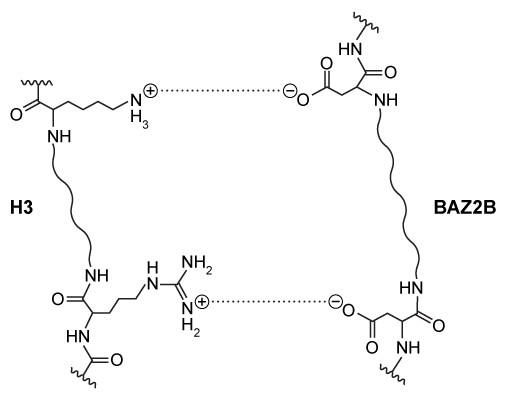 Figure 1 Electrostatic interactions between H3 and BAZ2B amino acid residues
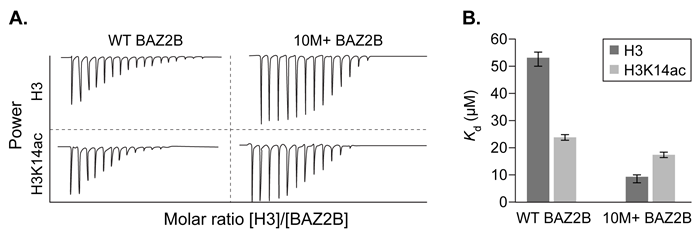 Figure 2 ITC traces (A) and Kd values (B) of WT BAZ2B and 10M+ BAZ2B titrated with either unmodified H3 or H3Ka4ac
 Figure 3 Western blot of BAZ2B recovered from unmodified or acetylated H3 columns
Adapted from Kostrhon S, Kontaxis G, Kaufmann T, et al. A histone-mimicking interdomain linker in a multidomain protein modulates multivalent histone binding. J Biol Chem. 2017;292(43):17643-17657.
-Based on information in the passage, NMR data indicated electrostatic interactions involving all of the following amino acids EXCEPT:
Figure 1 Electrostatic interactions between H3 and BAZ2B amino acid residues
Figure 2 ITC traces (A) and Kd values (B) of WT BAZ2B and 10M+ BAZ2B titrated with either unmodified H3 or H3Ka4ac
Figure 3 Western blot of BAZ2B recovered from unmodified or acetylated H3 columns
Adapted from Kostrhon S, Kontaxis G, Kaufmann T, et al. A histone-mimicking interdomain linker in a multidomain protein modulates multivalent histone binding. J Biol Chem. 2017;292(43):17643-17657.
-Based on information in the passage, NMR data indicated electrostatic interactions involving all of the following amino acids EXCEPT: (Multiple Choice)
4.8/5 (82)
(82) Passage
The cystic fibrosis transmembrane conductance regulator (CFTR) protein is a chloride ion channel involved in the production of mucus, sweat, and digestive fluids. CFTR is composed of five domains (Figure 1): Two transmembrane domains (TMD1 and TMD2), two nucleotide binding domains (NBD1 and NBD2), and one regulatory domain (R domain).
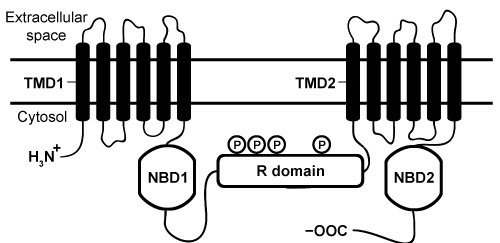 Figure 1 Schematic diagram of CFTR domainsThe NBD domains regulate CFTR activity by binding ATP, which causes a conformational change in the TMD domains. This change allows chloride ions to leave cells by passively crossing the membrane down their concentration gradient. The R domain regulates activity further through dynamic phosphorylation at several positions. The movement of chloride ions facilitates the movement of water out of the cell by osmotic pressure and helps keep secretions thin.Cystic fibrosis (CF) arises from recessively inherited mutations in the CFTR gene. The most common mutation is a three-base-pair deletion that removes a phenylalanine residue at position 508 in NBD1 (ΔF508). This mutation causes the protein to fold incorrectly, making it more susceptible to degradation by proteases. The resulting decrease in CFTR abundance inhibits chloride ion transport, leading to thickening of normally thin secretions and increased risk of life-threatening pulmonary infections.
-If wild-type and ΔF508 NBD1 were isolated and incubated with increasing concentrations of the protease trypsin, which of the following SDS-PAGE gels would be consistent with the increased susceptibility of ΔF508 NBD1 to degradation?
Figure 1 Schematic diagram of CFTR domainsThe NBD domains regulate CFTR activity by binding ATP, which causes a conformational change in the TMD domains. This change allows chloride ions to leave cells by passively crossing the membrane down their concentration gradient. The R domain regulates activity further through dynamic phosphorylation at several positions. The movement of chloride ions facilitates the movement of water out of the cell by osmotic pressure and helps keep secretions thin.Cystic fibrosis (CF) arises from recessively inherited mutations in the CFTR gene. The most common mutation is a three-base-pair deletion that removes a phenylalanine residue at position 508 in NBD1 (ΔF508). This mutation causes the protein to fold incorrectly, making it more susceptible to degradation by proteases. The resulting decrease in CFTR abundance inhibits chloride ion transport, leading to thickening of normally thin secretions and increased risk of life-threatening pulmonary infections.
-If wild-type and ΔF508 NBD1 were isolated and incubated with increasing concentrations of the protease trypsin, which of the following SDS-PAGE gels would be consistent with the increased susceptibility of ΔF508 NBD1 to degradation? (Multiple Choice)
4.8/5 (84)
(84) Passage
Spinocerebellar ataxia 3 (SCA3) is a neurodegenerative disease that manifests as a progressive decrease in coordination of limbs and frequently results in impaired speech and eye coordination. It is associated with extension of the polyglutamine (polyQ) region of the ataxin-3 protein. The polyQ region is encoded by a series of consecutive CAG codons known as poly-CAG repeats. These regions vary in length from one person to another, ranging from as few as 10 to as many as 80 repeats. SCA3 has been reported in patients with polyQ regions exceeding ~55 repeats, and increased polyQ length correlates with earlier onset of the disease and greater clinical severity.Circular dichroism (CD) is a method of assessing protein secondary structure. It measures a molecule's ability to absorb left- and right-handed circularly polarized light of varying wavelengths. The absorption difference is known as "ellipticity," denoted by Δε. Alpha-helices have a maximum Δε at 190 nm, and beta-sheets have a maximum Δε at 200 nm.CD results show that as the length of the ataxin-3 polyQ region increases, alpha-helical nature is lost and the protein aggregates, ultimately precipitating out of solution and depositing in brain and other tissues. Furthermore, as proteins aggregate, they form beta-sheets. These beta-sheets are in the parallel orientation, and each sheet can interact with sheets in other proteins to form long, insoluble structures known as amyloid fibers (Figure 1).
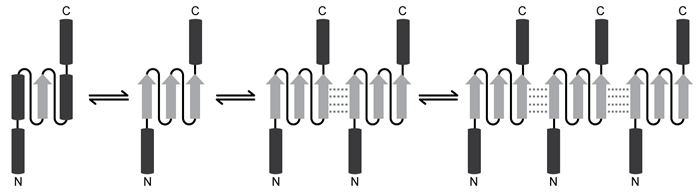 Figure 1 Depiction of the ataxin-3 polyQ region shifting from alpha-helical (cylinders) to beta-sheet (arrows) structure and aggregatingGlutamine can be encoded by both CAG and CAA codons. Researchers investigated survival rates in fruit flies expressing ataxin-3 with polyQ regions of equal length encoded by either CAG-CAG or CAA-CAG repeats (Table 1). The protein products had identical amino acid sequences.Table 1 Fruit Fly Survival Rates Relative to Ataxin-3 Expression
 Adapted from Bevivino AE, Loll PJ. An expanded glutamine repeat destabilizes native ataxin-3 structure and mediates formation of parallel beta -fibrils. Proc Natl Acad Sci USA. 2001;98(21):11955-60.
-Scientists concluded that ataxin-3 folding is not the only factor that contributes to SCA3. Is this conclusion supported by the data?
Figure 1 Depiction of the ataxin-3 polyQ region shifting from alpha-helical (cylinders) to beta-sheet (arrows) structure and aggregatingGlutamine can be encoded by both CAG and CAA codons. Researchers investigated survival rates in fruit flies expressing ataxin-3 with polyQ regions of equal length encoded by either CAG-CAG or CAA-CAG repeats (Table 1). The protein products had identical amino acid sequences.Table 1 Fruit Fly Survival Rates Relative to Ataxin-3 Expression
Adapted from Bevivino AE, Loll PJ. An expanded glutamine repeat destabilizes native ataxin-3 structure and mediates formation of parallel beta -fibrils. Proc Natl Acad Sci USA. 2001;98(21):11955-60.
-Scientists concluded that ataxin-3 folding is not the only factor that contributes to SCA3. Is this conclusion supported by the data? (Multiple Choice)
4.9/5 (89)
(89) Passage
Nerve cells must maintain the composition of their myelin sheaths to function properly. Galactocerebroside (GC), shown in Figure 1, is a hydrolyzable lipid and an important component of the myelin sheath.
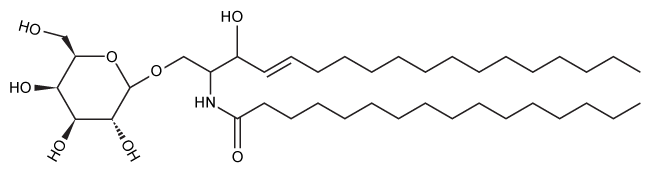 Figure 1 Structure of the myelin sheath component galactocerebrosideHomeostasis of GC is maintained by its dynamic synthesis and degradation, as shown in Figure 2. GC is synthesized by the enzyme ceramide galactosyltransferase (CGT) using UDP-galactose (UDP-Gal) and ceramide (Cer) as substrates. It is degraded by the enzyme galactocerebrosidase (GalC), which hydrolyzes the glycosidic bond to release galactose (Gal) and ceramide. A deficiency in GalC activity leads to a buildup of GC, and prior research has connected this buildup with neurodegeneration.
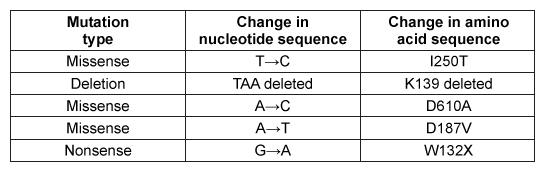
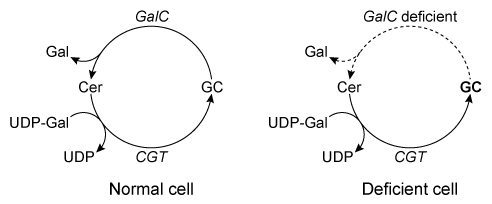 Figure 2 Schematic of GCT and GalC activity in healthy and GalC deficient cellsOver 100 inactivating GalC mutations have been identified. Five of the most common mutations are listed in Table 1. The changes to both DNA and amino acid sequence are shown.Table 1 Five Common Galactocerebrosidase Mutations
 -What is the stereochemical configuration of the galactose component of GC?
Figure 1 Structure of the myelin sheath component galactocerebrosideHomeostasis of GC is maintained by its dynamic synthesis and degradation, as shown in Figure 2. GC is synthesized by the enzyme ceramide galactosyltransferase (CGT) using UDP-galactose (UDP-Gal) and ceramide (Cer) as substrates. It is degraded by the enzyme galactocerebrosidase (GalC), which hydrolyzes the glycosidic bond to release galactose (Gal) and ceramide. A deficiency in GalC activity leads to a buildup of GC, and prior research has connected this buildup with neurodegeneration.
Figure 2 Schematic of GCT and GalC activity in healthy and GalC deficient cellsOver 100 inactivating GalC mutations have been identified. Five of the most common mutations are listed in Table 1. The changes to both DNA and amino acid sequence are shown.Table 1 Five Common Galactocerebrosidase Mutations
-What is the stereochemical configuration of the galactose component of GC? (Multiple Choice)
4.8/5 (75)
(75) Passage
Human gamma-glutamyl transpeptidase (hGGT) is an enzyme involved in cysteine homeostasis, and its overexpression has been linked to asthma, cancer, and other diseases. It catalyzes the addition of water across a bond to cleave extracellular glutathione (GSH) into glutamate and a dipeptide composed of cysteine and glycine. It is believed to function by the mechanism shown in Figure 1.
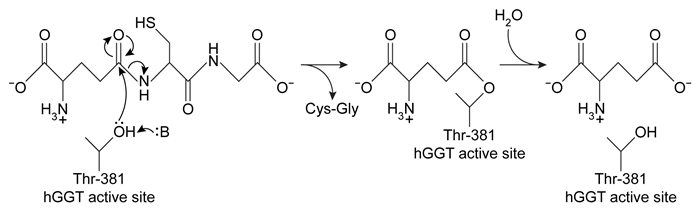 Figure 1 Proposed mechanism of hGGT-mediated GSH cleavageResearchers interested in investigating hGGT inhibitors as a treatment for pathologies related to excess hGGT activity performed the following experiments, each containing the same concentration of hGGT.Experiment 1hGGT was incubated with various concentrations of GSH in the presence or absence of 250-μM candidate compound acivicin or Compound 1. However, both candidates were found to be unsuitable as acivicin showed significant neurotoxicity and Compound 1 acted as an activator instead of an inhibitor.
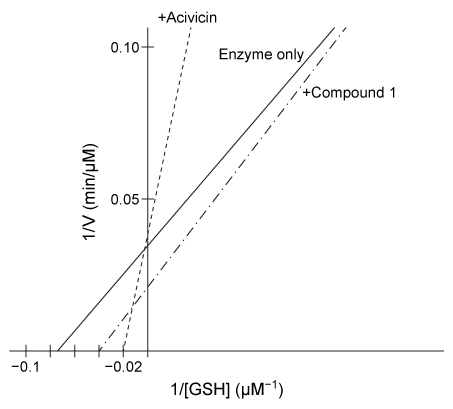 Figure 2 Lineweaver-Burk plot of hGGT activity with respect to GSH in the presence or absence of 250-μM candidate inhibitorsExperiment 2Researchers hypothesized that slight variations in the structure of Compound 1 could result in hGGT inhibition and tested several derivatives, shown in Table 1.Table 1 Kinetic Parameters of hGGT in the Presence or Absence of Several Candidate Inhibitors at 250 μM
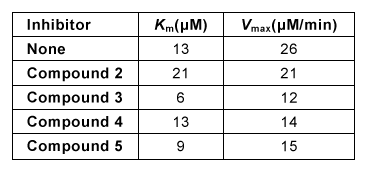 Experiment 3To better understand the physiological conditions under which hGGT operates, researchers exposed a cultured cell line expressing hGGT on the cell surface to a solution that mimicked the composition of extracellular fluid, including levels of GSH. They found that in this setup, uninhibited hGGT results in a reaction rate that is approximately ½Vmax.
Adapted from Wickham S, Regan N, West MB, et al. Inhibition of human ?-glutamyl transpeptidase: development of more potent, physiologically relevant, uncompetitive inhibitors. Biochem J. 2013;450(3):547-57.
-Based on the information in Experiment 3, if researchers wish to further study the inhibitor that is most potent under physiological conditions, they should choose the one that yields the lowest hGGT activity when GSH concentration is:
Figure 1 Proposed mechanism of hGGT-mediated GSH cleavageResearchers interested in investigating hGGT inhibitors as a treatment for pathologies related to excess hGGT activity performed the following experiments, each containing the same concentration of hGGT.Experiment 1hGGT was incubated with various concentrations of GSH in the presence or absence of 250-μM candidate compound acivicin or Compound 1. However, both candidates were found to be unsuitable as acivicin showed significant neurotoxicity and Compound 1 acted as an activator instead of an inhibitor.
Figure 2 Lineweaver-Burk plot of hGGT activity with respect to GSH in the presence or absence of 250-μM candidate inhibitorsExperiment 2Researchers hypothesized that slight variations in the structure of Compound 1 could result in hGGT inhibition and tested several derivatives, shown in Table 1.Table 1 Kinetic Parameters of hGGT in the Presence or Absence of Several Candidate Inhibitors at 250 μM
Experiment 3To better understand the physiological conditions under which hGGT operates, researchers exposed a cultured cell line expressing hGGT on the cell surface to a solution that mimicked the composition of extracellular fluid, including levels of GSH. They found that in this setup, uninhibited hGGT results in a reaction rate that is approximately ½Vmax.
Adapted from Wickham S, Regan N, West MB, et al. Inhibition of human ?-glutamyl transpeptidase: development of more potent, physiologically relevant, uncompetitive inhibitors. Biochem J. 2013;450(3):547-57.
-Based on the information in Experiment 3, if researchers wish to further study the inhibitor that is most potent under physiological conditions, they should choose the one that yields the lowest hGGT activity when GSH concentration is: (Multiple Choice)
4.8/5 (98)
(98) Passage
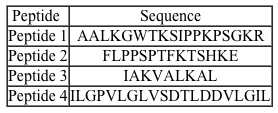
Antimicrobial peptides are an important component of innate immunity. Since their discovery in 1939, over 5,000 peptides with antimicrobial properties have been isolated from organisms in every domain of life. They have demonstrated activity against enveloped viruses, bacteria, fungi, and even tumor cells and have recently gained interest for their potential in fighting antibiotic-resistant bacteria. Most known antimicrobial peptides are positively charged, but some with negative charges have also been discovered.Frogs are known to secrete a variety of antimicrobial peptides as a major source of immunity. Secretions from a new species of frog were collected and the peptides were separated by cation exchange chromatography. Four of the isolated peptides demonstrated strong antibacterial activity and were characterized by isoelectric focusing and sequencing:
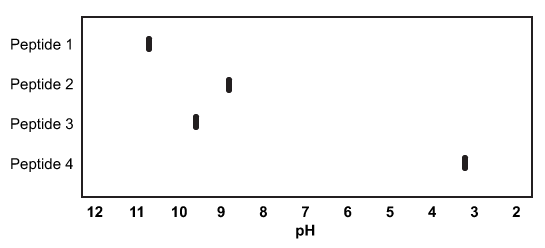 Figure 1 Results of isoelectric focusing of four antimicrobial peptidesTable 1 Amino Acid Compositions of Four Antimicrobial Peptides
 Adapted from Wang Z, Wang G. APD: the Antimicrobial Peptide Database. Nucleic Acids Res. 2004;32(Database issue):D590-2.
-Antimicrobial peptides can be taken into cells by endocytosis. They are subsequently transported to the lysosome, where the pH decreases to ~5 and peptides are degraded. After lysosomal degradation, researchers found a tripeptide consisting of the last three amino acids of Peptide 2. What is the net charge of this tripeptide at lysosomal pH?
Figure 1 Results of isoelectric focusing of four antimicrobial peptidesTable 1 Amino Acid Compositions of Four Antimicrobial Peptides
Adapted from Wang Z, Wang G. APD: the Antimicrobial Peptide Database. Nucleic Acids Res. 2004;32(Database issue):D590-2.
-Antimicrobial peptides can be taken into cells by endocytosis. They are subsequently transported to the lysosome, where the pH decreases to ~5 and peptides are degraded. After lysosomal degradation, researchers found a tripeptide consisting of the last three amino acids of Peptide 2. What is the net charge of this tripeptide at lysosomal pH? (Multiple Choice)
4.9/5 (95)
(95) Passage
Interactions between positively charged histones and negatively charged nucleic acids are altered by acetylation and methylation of histone subunits. These different post-translational modifications are recognized by histone-binding proteins such as BROMO domain Adjacent to Zinc finger 2B (BAZ2B). BAZ2B has a net negative charge but contains a lysine-rich regulatory region between its two histone-binding domains.NMR data revealed potential interactions between BAZ2B and histone subunit H3 (Figure 1). Binding was confirmed by isothermal titration calorimetry (ITC), which measures enthalpy of binding when a protein solution is titrated with ligand injections of equal volume and concentration. Each injection results in a negative peak as heat is released. Figure 2 shows ITC results when wild-type BAZ2B (WT) or BAZ2B with the regulatory region removed (10M+) were titrated with unmodified histone 3 (H3) or H3 that was acetylated at lysine-14 (H3K14ac). In each case, the Hill coefficient was approximately 1.To test binding in a biological setting (in vivo), WT and 10M+ BAZ2B were extracted from cell lysates on affinity columns containing H3 or H3K14ac covalently attached to beads. BAZ2B was then eluted and binding was quantified by Western blot (Figure 3).
Figure 1 Electrostatic interactions between H3 and BAZ2B amino acid residues
Figure 2 ITC traces (A) and Kd values (B) of WT BAZ2B and 10M+ BAZ2B titrated with either unmodified H3 or H3Ka4ac
Figure 3 Western blot of BAZ2B recovered from unmodified or acetylated H3 columns
Adapted from Kostrhon S, Kontaxis G, Kaufmann T, et al. A histone-mimicking interdomain linker in a multidomain protein modulates multivalent histone binding. J Biol Chem. 2017;292(43):17643-17657.
-Based on Figures 2 and 3, which combination of histone 3 (H3 or H3K14ac) and 10M+ BAZ2B has the highest binding affinity in vitro and in vivo?
Figure 1 Electrostatic interactions between H3 and BAZ2B amino acid residues
Figure 2 ITC traces (A) and Kd values (B) of WT BAZ2B and 10M+ BAZ2B titrated with either unmodified H3 or H3Ka4ac
Figure 3 Western blot of BAZ2B recovered from unmodified or acetylated H3 columns
Adapted from Kostrhon S, Kontaxis G, Kaufmann T, et al. A histone-mimicking interdomain linker in a multidomain protein modulates multivalent histone binding. J Biol Chem. 2017;292(43):17643-17657.
-Based on Figures 2 and 3, which combination of histone 3 (H3 or H3K14ac) and 10M+ BAZ2B has the highest binding affinity in vitro and in vivo? (Multiple Choice)
4.8/5 (87)
(87) Passage
A newborn girl is diagnosed with a rare genetic disorder that causes premature lysis of red blood cells. Through genome sequencing, physicians identified a specific mutation (R510Q) in both copies of her pyruvate kinase gene, which encodes the enzyme that catalyzes the final step of glycolysis. Pyruvate kinase produces pyruvate and ATP from phosphoenolpyruvate (PEP) and ADP.PEP + ADP ↔ Pyruvate + ATPReaction 1Because red blood cells lack mitochondria, pyruvate in erythrocytes does not enter the citric acid cycle and the electron transport chain. Therefore, red blood cells rely almost exclusively on glycolysis to produce sufficient ATP for cellular functions. In patients with pyruvate kinase deficiency, it is thought that a lack of ATP compromises the integrity of the red blood cell membrane, leading to premature lysis in the spleen. Although these observations are well established, the exact mechanism by which low ATP alters the cell membrane is unclear.Scientists interested in analyzing this particular patient's gene variant expressed and purified recombinant R510Q pyruvate kinase. They performed several biochemical tests to characterize the R510Q mutant with respect to wild-type (WT) pyruvate kinase. In the first experiment, WT and R510Q pyruvate kinases were each incubated with a constant amount of ADP and varying amounts of PEP. The activity of the enzyme was measured at each concentration of PEP and plotted. They then repeated the experiment in the presence of ATP and found that ATP is a noncompetitive inhibitor of the WT enzyme, but a mixed inhibitor of the R510Q enzyme. The results are shown in Figure 1. All experiments were done at the same enzyme concentration.
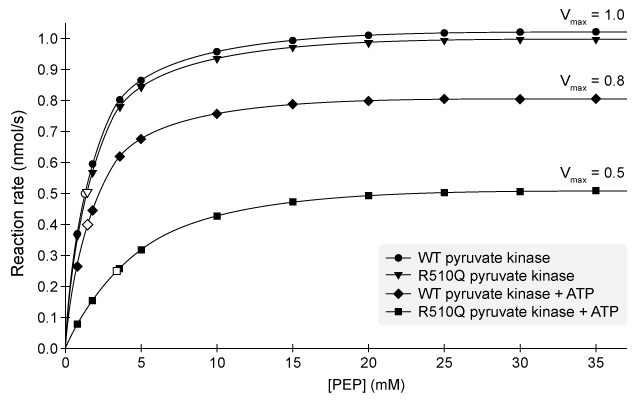 Figure 1 Pyruvate kinase activity with and without ATP as a function of [PEP]. Open markers are shown at ½Vmax for each plot.
Adapted from Wang C, Chiarelli LR, Bianchi P, et al. Human erythrocyte pyruvate kinase: characterization of the recombinant enzyme and a mutant form (R510Q) causing nonspherocytic hemolytic anemia. Blood. 2001;98(10):3113-20.
-The information in the passage and the data in Figure 1 support which of the following conclusions about ATP as an inhibitor of the R510Q enzyme?
Figure 1 Pyruvate kinase activity with and without ATP as a function of [PEP]. Open markers are shown at ½Vmax for each plot.
Adapted from Wang C, Chiarelli LR, Bianchi P, et al. Human erythrocyte pyruvate kinase: characterization of the recombinant enzyme and a mutant form (R510Q) causing nonspherocytic hemolytic anemia. Blood. 2001;98(10):3113-20.
-The information in the passage and the data in Figure 1 support which of the following conclusions about ATP as an inhibitor of the R510Q enzyme? (Multiple Choice)
4.7/5 (101)
(101) 
Filters
- Essay(0)
- Multiple Choice(0)
- Short Answer(0)
- True False(0)
- Matching(0)