



 Chat with AI
Exam 11: Cranium, Facial Bones, and Paranasal Sinuses

Exam 1: Terminology, Positioning, and Imaging Principles199 Questions
Exam 2: Chest102 Questions
Exam 3: Abdomen92 Questions
Exam 4: Upper Limb107 Questions
Exam 5: Humerus and Shoulder Girdle80 Questions
Exam 6: Lower Limb110 Questions
Exam 7: Femur and Pelvic Girdle80 Questions
Exam 8: Cervical and Thoracic Spine84 Questions
Exam 9: Lumbar Spine, Sacrum, and Coccyx75 Questions
Exam 10: Bony Thoraxsternum and Ribs67 Questions
Exam 11: Cranium, Facial Bones, and Paranasal Sinuses181 Questions
Exam 12: Biliary Tract and Upper Gastrointestinal System127 Questions
Exam 13: Lower Gi System83 Questions
Exam 14: Urinary System and Venipuncture100 Questions
Exam 15: Trauma, Mobile, and Surgical Radiography108 Questions
Exam 16: Pediatric Radiography72 Questions
Exam 17: Angiography and Interventional Procedures72 Questions
Exam 18: Computed Tomography103 Questions
Exam 19: Special Radiographic Procedures69 Questions
Exam 20: Diagnostic and Therapeutic Modalities208 Questions
Select questions type


What CR angle is required for the axiolateral (Schuller method) projection of the TMJs?
(Multiple Choice)
4.9/5  (77)
(77) Which of the following structures passes through the superior orbital fissure?
(Multiple Choice)
4.9/5 (69)
(69) The axiolateral oblique projection (modified Law method) for TMJs requires a ____ rotation of the skull and a ____ caudad angle of the CR.
(Multiple Choice)
4.7/5 (74)
(74) A radiograph of a parietoacanthial (Waters method) projection reveals that the petrous ridges are superimposed over the lower 30% of the maxillary sinuses.What specific positioning error (if any) led to this radiographic finding?
(Multiple Choice)
4.8/5 (78)
(78) Which three cranial bones articulate directly with the zygomatic bone?
(Multiple Choice)
4.9/5 (75)
(75) 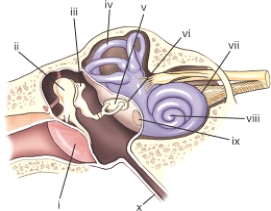
Which one of the following positioning errors most often results in a repeat exposure of a cranial position?
(Multiple Choice)
4.8/5 (86)
(86) Select the imaging modality that would best demonstrate the following pathologies.
-Hydrocephalus (in neonate)
(Multiple Choice)
4.9/5 (87)
(87) Which positioning line is perpendicular to the IR for a PA projection of the mandible?
(Multiple Choice)
4.8/5 (78)
(78) Where is the CR centered for an AP axial (Towne method) projection for the mandible?
(Multiple Choice)
4.8/5 (73)
(73) Which cranial bone articulates with the other seven cranial bones?
(Multiple Choice)
4.8/5 (79)
(79) Which of the following terms describes the anterior fontanel found in the adult skull?
(Multiple Choice)
4.9/5 (86)
(86) What is the only paranasal sinus not contained within a cranial bone?
(Multiple Choice)
4.9/5 (78)
(78) Which positioning line is placed perpendicular to the IR for the parieto-orbital oblique projection of the optic foramina?
(Multiple Choice)
4.9/5 (68)
(68) The 15° PA axial (Caldwell) projection for facial bones produces an unobstructed view of the maxilla.
(True/False)
5.0/5 (79)
(79) Why is the chin extended for an axiolateral/axiolateral oblique projection of the mandible?
(Multiple Choice)
4.7/5 (69)
(69) 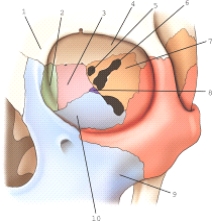
Match each of the following radiographic appearances with the corresponding pathologic indication.(Use each selection only once.)
-Enlarged sella turcica
(Multiple Choice)
4.8/5 (82)
(82) All of the sinuses intercommunicate with each other and with the nasal cavity.
(True/False)
4.7/5 (79)
(79) 
Filters
- Essay(0)
- Multiple Choice(0)
- Short Answer(0)
- True False(0)
- Matching(0)