



 Chat with AI
Exam 12: Biliary Tract and Upper Gastrointestinal System

Exam 1: Terminology, Positioning, and Imaging Principles199 Questions
Exam 2: Chest102 Questions
Exam 3: Abdomen92 Questions
Exam 4: Upper Limb107 Questions
Exam 5: Humerus and Shoulder Girdle80 Questions
Exam 6: Lower Limb110 Questions
Exam 7: Femur and Pelvic Girdle80 Questions
Exam 8: Cervical and Thoracic Spine84 Questions
Exam 9: Lumbar Spine, Sacrum, and Coccyx75 Questions
Exam 10: Bony Thoraxsternum and Ribs67 Questions
Exam 11: Cranium, Facial Bones, and Paranasal Sinuses181 Questions
Exam 12: Biliary Tract and Upper Gastrointestinal System127 Questions
Exam 13: Lower Gi System83 Questions
Exam 14: Urinary System and Venipuncture100 Questions
Exam 15: Trauma, Mobile, and Surgical Radiography108 Questions
Exam 16: Pediatric Radiography72 Questions
Exam 17: Angiography and Interventional Procedures72 Questions
Exam 18: Computed Tomography103 Questions
Exam 19: Special Radiographic Procedures69 Questions
Exam 20: Diagnostic and Therapeutic Modalities208 Questions
Select questions type


What is the term for the longitudinal mucosal folds found within the stomach?

Free
(Multiple Choice)
4.8/5  (76)
(76) Correct Answer: Verified
D
Digital fluoroscopy has distinct advantages but produces a slightly higher patient dose as compared with conventional fluoroscopy.
Free
(True/False)
4.9/5 (67)
(67) Correct Answer:Verified
VerifiedFalse
Which of the following conditions involves dilated veins in the distal aspect of the esophagus, which in some cases can lead to internal bleeding?
Free
(Multiple Choice)
5.0/5 (71)
(71) Correct Answer:Verified
VerifiedA
Which of the following devices reduces scatter exposure during fluoroscopy from the fluoroscopy tube?
(Multiple Choice)
4.8/5 (86)
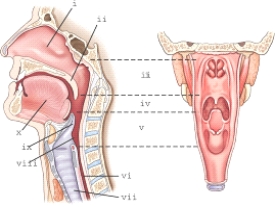
(86) 
Match each radiographic appearance or description with the corresponding disease or condition.(Use each selection only once.)
-Speckled appearance of the gastric mucosa and absence of rugae
(Multiple Choice)
4.8/5 (82)
(82) How much obliquity is required for the RAO position for the esophagus?
(Multiple Choice)
4.8/5 (97)
(97) Which of the following functions are performed by the gallbladder?
(Multiple Choice)
4.9/5 (82)
(82) A patient comes to radiology with a clinical history of HPS.Which of the following imaging modalities will best demonstrate this condition?
(Multiple Choice)
4.7/5 (73)
(73) Which of the imaging modalities or procedures is most effective and preferred in diagnosing HPS?
(Multiple Choice)
4.9/5 (71)
(71) Match each radiographic appearance or description with the corresponding disease or condition.(Use each selection only once.)
-Enlarged recess in the distal esophagus
(Multiple Choice)
4.9/5 (94)
(94) When using computed radiography (CR), inadequate kV or mAs will produce a ____ image.
(Multiple Choice)
4.9/5 (87)
(87) What is the most common radiographic procedure performed to diagnose GERD?
(Multiple Choice)
4.7/5 (88)
(88) Digital fluoroscopy does not require the use of an image intensifier.
(True/False)
4.8/5 (74)
(74) In 80% of all individuals, the common bile duct and the pancreatic duct unite before entering the duodenum.
(True/False)
4.7/5 (82)
(82) Which of the following kV ranges should be used for an upper GI series using barium sulfate (single-contrast study)?
(Multiple Choice)
4.8/5 (85)
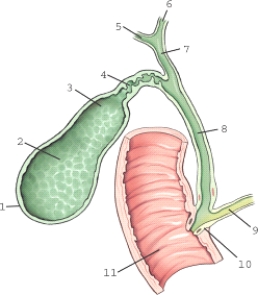
(85) 
The aortic arch and the _____ create a normal indentation seen along the lateral border of the esophagus.
(Multiple Choice)
4.9/5 (84)
(84) Which specific part of the pancreas is adjacent to the C-loop of the duodenum?
(Multiple Choice)
4.9/5 (73)
(73) Which of the following statements is true about barium sulfate?
(Multiple Choice)
4.8/5 (70)
(70) 
Filters
- Essay(0)
- Multiple Choice(0)
- Short Answer(0)
- True False(0)
- Matching(0)