



 Chat with AI
Exam 9: Gene Transfer and Genetic Engineering

Exam 1: Scope and History of Microbiology49 Questions
Exam 2: The Microbiome46 Questions
Exam 3: Fundamentals of Chemistry44 Questions
Exam 4: Microscopy and Staining53 Questions
Exam 5: Characteristics of Prokaryotic and Eukaryotic Cells56 Questions
Exam 6: Essential Concepts of Metabolism53 Questions
Exam 7: Growth and Culturing of Bacteria55 Questions
Exam 8: Microbial Genetics52 Questions
Exam 9: Gene Transfer and Genetic Engineering54 Questions
Exam 10: An Introduction to Taxonomy: The Bacteria55 Questions
Exam 11: Viruses51 Questions
Exam 12: Eukaryotic Microorganisms and Parasites50 Questions
Exam 13: Sterilization and Disinfection50 Questions
Exam 14: Antimicrobial Therapy50 Questions
Exam 15: Host-Microbe Relationships and Disease Processes49 Questions
Exam 16: Epidemiology and Nosocomial Infections50 Questions
Exam 17: Innate Host Defenses50 Questions
Exam 18: Basic Principles of Adaptive Immunity and Immunization50 Questions
Exam 19: Immune Disorders50 Questions
Exam 20: Diseases of the Skin and Eyes; Wounds and Bites50 Questions
Exam 21: Urogenital and Sexually Transmitted Diseases50 Questions
Exam 22: Diseases of the Respiratory System50 Questions
Exam 23: Oral and Gastrointestinal Diseases50 Questions
Exam 24: Cardiovascular, Lymphatic, and Systemic Diseases50 Questions
Exam 25: Diseases of the Nervous System50 Questions
Exam 26: Environmental Microbiology50 Questions
Exam 27: Applied Microbiology50 Questions
Select questions type


Which of the following processes requires contact between donor and recipient cells

Free
(Multiple Choice)
4.9/5  (79)
(79) Correct Answer: Verified
C
In an experiment such as Griffith's pneumococcal experiment which of the following,when injected into a mouse,would result in its death
Free
(Multiple Choice)
4.9/5 (82)
(82) Correct Answer:Verified
VerifiedC
In a culture containing both F⁻ and F⁺ cells,which of the following will occur if we wait long enough
Free
(Multiple Choice)
4.9/5 (80)
(80) Correct Answer:Verified
VerifiedC
Plasmids which contain genes for the formation of an F pilus are called:
(Multiple Choice)
4.8/5 (80)
(80) A ________ is a genetic sequence able to move from one location in a chromosome to another.
(Multiple Choice)
4.7/5 (78)
(78) The genetic information needed for a cell to participate in conjugation resides in the DNA of a cell's _____.
(Multiple Choice)
4.9/5 (67)
(67) 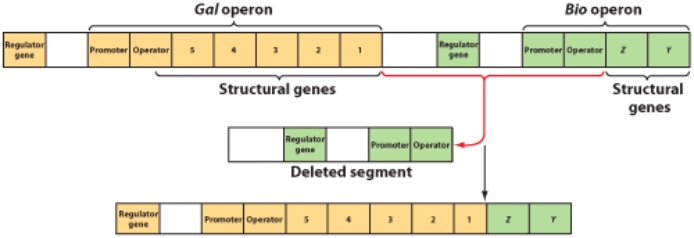
Transposons are of particular significance because they _____.
(Multiple Choice)
4.9/5 (81)
(81) 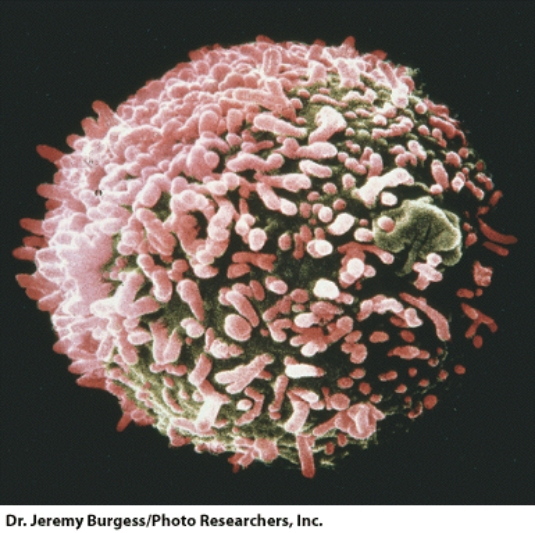
Toxin from which of the following bacteria is used as an insecticide
(Multiple Choice)
4.9/5 (74)
(74) In Griffith's transformation experiments,which of the following did not take place
(Multiple Choice)
4.9/5 (67)
(67) A viral cycle,which ends with the rupture of the cell and release of new viral particles,is the:
(Multiple Choice)
4.8/5 (63)
(63) 
Filters
- Essay(0)
- Multiple Choice(0)
- Short Answer(0)
- True False(0)
- Matching(0)