



 Chat with AI
Exam 15: The Nature of the Solar System

Exam 1: Matter and Minerals60 Questions
Exam 2: Rocks: Materials of the Solid Earth63 Questions
Exam 3: Landscapes Fashioned by Water68 Questions
Exam 4: Glacial and Arid Landscapes64 Questions
Exam 5: Plate Tectonics: A Scientific Revolution Unfolds64 Questions
Exam 6: Restless Earth: Earthquakes, Geologic Structures, and Mountain Building67 Questions
Exam 7: Volcanoes and Other Igneous Activity64 Questions
Exam 8: Geologic Time70 Questions
Exam 9: Oceans: The Last Frontier65 Questions
Exam 10: The Restless Ocean65 Questions
Exam 11: Heating the Atmosphere66 Questions
Exam 12: Moisture, Clouds, and Precipitation66 Questions
Exam 13: The Atmosphere in Motion68 Questions
Exam 14: Weather Patterns and Severe Weather66 Questions
Exam 15: The Nature of the Solar System67 Questions
Exam 16: Beyond Our Solar System66 Questions
Select questions type


Epicycles are a feature of the modern conception of a heliocentric solar system.

Free
(True/False)
4.9/5  (71)
(71) Correct Answer: Verified
False
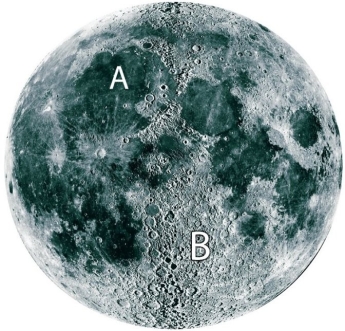 Examine the figure. Which of the lettered locations show the anorthosite-rich lunar highlands?
Free
(Multiple Choice)
4.7/5 (80)
(80) Correct Answer:Verified
VerifiedB
The ________ motion of some of Jupiter's moons indicates that they were likely captured due to the planet's immense gravity.
Free
(Short Answer)
4.8/5 (84)
(84) Correct Answer:Verified
Verifiedretrograde
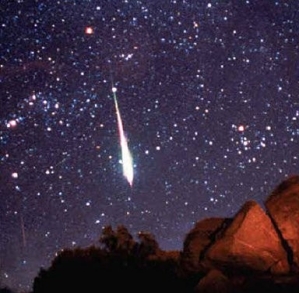
________ are small, extraterrestrial particles that glow brightly and burn up as they travel through Earth's atmosphere.
(Multiple Choice)
4.9/5 (75)
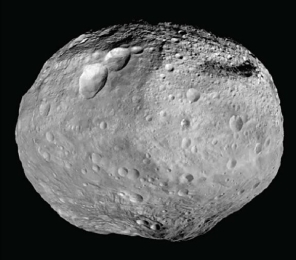
(75) 
How many astronomical units of distance lie between Earth and the Sun?
(Multiple Choice)
4.9/5 (70)
(70) Neptune is the first planet beyond the Asteroid Belt, with Jupiter, Saturn, and Uranus following beyond that, each further away from the Sun.
(True/False)
4.8/5 (68)
(68) Surrounding a comet's nucleus is the broad, glowing area called the ________.
(Short Answer)
4.7/5 (76)
(76) Match the scientist with their major astronomical discoveries. Some scientists will have more than one discovery to their name
Correct Answer:Verified
VerifiedPremises:
Responses:
(Matching)
4.9/5 (69)
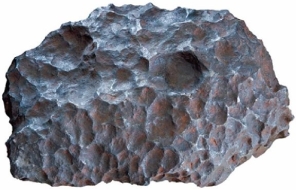
(69) 
The ________ theory describes how the solar system formed from a huge cloud of gases and small particles produced by an exploding, high-density star.
(Short Answer)
4.8/5 (76)
(76) Why are meteorites a possible source of information regarding the origin and composition of Earth?
(Essay)
4.8/5 (79)
(79) Meteorites disintegrate and burn up as shooting stars; meteoroids survive an impact event and a trip through Earth's atmosphere.
(True/False)
4.8/5 (86)
(86) 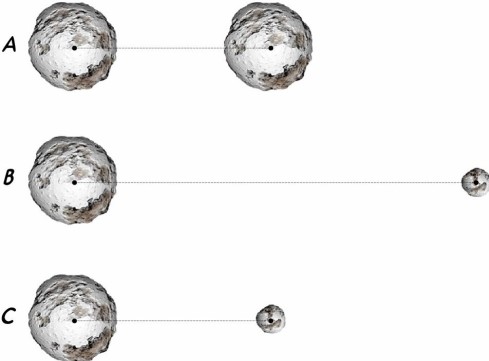 All else being equal, which of these three asteroid-asteroid situations is most likely to result in a collision? Explain.
 (Essay)
4.9/5 (85)
(85) Which of the following shows the correct order of formation according to the nebular theory?
(Multiple Choice)
4.8/5 (91)
(91) 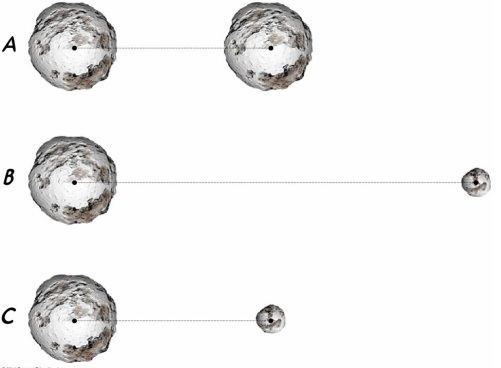 The situation depicted in part A of this figure will have the greatest ________ between the two asteroids.
 (Short Answer)
4.8/5 (94)
(94) Of the other seven planets in our solar system, which is most likely to host Earth-like life? Explain.
(Essay)
5.0/5 (81)
(81) 

Filters
- Essay(0)
- Multiple Choice(0)
- Short Answer(0)
- True False(0)
- Matching(0)