



 Chat with AI
Exam 12: Alkenes, Alkynes, and Aromatic Compounds

Exam 1: Matter, Energy, and Measurement143 Questions
Exam 2: Atoms134 Questions
Exam 3: Chemical Bonds142 Questions
Exam 4: Chemical Reactions138 Questions
Exam 5: Gases, Liquids, and Solids104 Questions
Exam 6: Solutions and Colloids157 Questions
Exam 7: Reaction Rates and Chemical Equilibrium104 Questions
Exam 8: Acids and Bases198 Questions
Exam 9: Nuclear Chemistry152 Questions
Exam 10: Organic Chemistry71 Questions
Exam 11: Alkanes142 Questions
Exam 12: Alkenes, Alkynes, and Aromatic Compounds184 Questions
Exam 13: Alcohols, Ethers, and Thiols118 Questions
Exam 14: Chirality: the Handedness of Molecules92 Questions
Exam 15: Amines89 Questions
Exam 16: Aldehydes and Ketones102 Questions
Exam 17: Carboxylic Acids115 Questions
Exam 18: Carboxylic Anhydrides, Esters, and Amides117 Questions
Exam 19: Carbohydrates103 Questions
Exam 20: Lipids132 Questions
Exam 21: Proteins128 Questions
Exam 22: Enzymes62 Questions
Exam 23: Chemical Communications: Neurotransmitters and Hormones89 Questions
Exam 24: Nucleotides, Nucleic Acids, and Heredity121 Questions
Exam 25: Gene Expression and Protein Synthesis129 Questions
Exam 26: Bioenergetics: How the Body Converts Food to Energy133 Questions
Exam 27: Specific Catabolic Pathways: Carbohydrate, Lipid, and Protein Metabolism104 Questions
Exam 28: Biosynthetic Pathways67 Questions
Exam 29: Nutrition73 Questions
Exam 30: Immunochemistry132 Questions
Exam 31: Body Fluids72 Questions
Select questions type


Four patterns can be noted for certain organic reactions: Pattern 1: Add a proton.
Pattern 2: Take a proton away.
Pattern 3: Reaction between an electrophile and nucleophile to form a new covalent bond.
Pattern 4: Reaction of a proton donor with a carbon-carbon double bond to form a new covalent bond.
To which pattern does the following reaction belong? 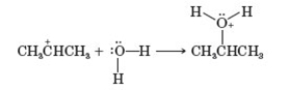
(Multiple Choice)
4.7/5  (77)
(77) How many hydrogen atoms are required to hydrogenate a molecule of 1,3-cyclopentadiene?
(Multiple Choice)
4.9/5 (91)
(91) Why is the C-C-C bond angle in propene 124.7° instead of the predicted angle of 120°?
(Multiple Choice)
4.8/5 (79)
(79) Given an alkane, an alkene, and an alkyne, each of which contains two carbon atoms, which compound will contain the greatest number of hydrogen atoms?
(Multiple Choice)
4.9/5 (77)
(77) Which of the following is the correct IUPAC name of the following compound? 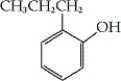
(Multiple Choice)
4.9/5 (90)
(90) Which of the following is true of the reactivity of benzene?
(Multiple Choice)
4.9/5 (83)
(83) Which of the following is the correct IUPAC name of the following compound? 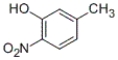
(Multiple Choice)
4.7/5 (79)
(79) Which of the following was true of Kekulé's proposal for the structure of benzene?
(Multiple Choice)
4.8/5 (71)
(71) Which of the following reaction intermediates is produced during an addition reaction between hydrogen iodide and methylenecyclohexane? a tertiary carbocation
(Multiple Choice)
4.7/5 (82)
(82) p-bromonitrobenzene is treated with hydrogen gas in the presence of a Pd catalyst. What would be the product of the reaction?
(Multiple Choice)
4.8/5 (81)
(81) What is the correct IUPAC name for the following compound? 
(Multiple Choice)
4.9/5 (87)
(87) Which of the following structures did Kekulé propose as the structure of benzene?
(Multiple Choice)
4.7/5 (95)
(95) 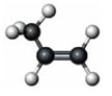
Which of the following is true of the C-C bonds in benzene?
(Multiple Choice)
5.0/5 (81)
(81) Which class of compounds are not widespread in nature and have little importance in biochemistry?
(Multiple Choice)
4.8/5 (75)
(75) 
Filters
- Essay(0)
- Multiple Choice(0)
- Short Answer(0)
- True False(0)
- Matching(0)