



 Chat with AI
Exam 14: Aldehydes, Ketones, and Chiral Molecules

Exam 1: Chemistry in Our Lives51 Questions
Exam 2: Chemistry and Measurements90 Questions
Exam 3: Energy and Matter87 Questions
Exam 4: Atoms100 Questions
Exam 5: Nuclear Chemistry79 Questions
Exam 6: Ionic and Molecular Compounds98 Questions
Exam 7: Chemical Reactions and Quantities114 Questions
Exam 8: Gases96 Questions
Exam 9: Solutions87 Questions
Exam 10: Reaction Rates and Chemical Equilibrium67 Questions
Exam 11: Acids and Bases92 Questions
Exam 12: Introduction to Organic Chemistry: Hydrocarbons140 Questions
Exam 13: Alcohols, Phenols, Thiols, and Ethers66 Questions
Exam 14: Aldehydes, Ketones, and Chiral Molecules85 Questions
Exam 15: Carbohydrates75 Questions
Exam 16: Carboxylic Acids and Esters83 Questions
Exam 17: Lipids85 Questions
Exam 18: Amines and Amides91 Questions
Exam 19: Amino Acids and Proteins84 Questions
Exam 20: Enzymes and Vitamins87 Questions
Exam 21: Nucleic Acids and Protein Synthesis80 Questions
Exam 22: Metabolic Pathways for Carbohydrates80 Questions
Exam 23: Metabolism and Energy Production81 Questions
Exam 24: Metabolic Pathways for Lipids and Amino Acids73 Questions
Select questions type


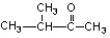

Low-molecular-weight ketones are soluble in water. What is the shortest length of the carbon chain where insolubility becomes important?
(Multiple Choice)
4.8/5  (74)
(74) Formaldehyde is used in solution as a germicide and preservative.
(True/False)
4.8/5 (69)
(69) Carbonyl compounds having fewer than four carbon atoms are very water soluble.
(True/False)
4.9/5 (81)
(81) 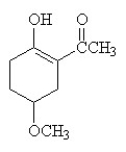
The suffix -one indicates an aldehyde in the IUPAC system of naming.
(True/False)
4.8/5 (84)
(84) Aldehydes have higher boiling points than alkanes of similar mass because of
(Multiple Choice)
4.8/5 (85)
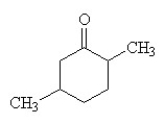
(85) 

Filters
- Essay(0)
- Multiple Choice(0)
- Short Answer(0)
- True False(0)
- Matching(0)