



 Chat with AI
Exam 17: Aromatic Compounds

Exam 1: A Review of General Chemistry: Electrons, Bonds, and Molecular Properties191 Questions
Exam 2: Molecular Representations168 Questions
Exam 3: Acids and Bases127 Questions
Exam 4: Alkanes and Cycloalkanes116 Questions
Exam 5: Stereoisomerism141 Questions
Exam 6: Chemical Reactivity and Mechanisms96 Questions
Exam 7: Alkyl Halides: Nucleophilic Substitution and Elimination Reactions224 Questions
Exam 8: Addition Reactions of Alkenes153 Questions
Exam 9: Alkynes177 Questions
Exam 10: Radical Reactions102 Questions
Exam 11: Synthesis106 Questions
Exam 12: Alcohols and Phenols147 Questions
Exam 13: Ethers and Epoxides; Thiols and Sulfides139 Questions
Exam 14: Infrared Spectroscopy and Mass Spectrometry135 Questions
Exam 15: Nuclear Magnetic Resonance Spectroscopy140 Questions
Exam 16: Conjugated Pi Systems and Pericyclic Reactions140 Questions
Exam 17: Aromatic Compounds118 Questions
Exam 18: Aromatic Substitution Reactions122 Questions
Exam 19: Aldehydes and Ketones169 Questions
Exam 20: Carboxylic Acids and Their Derivatives144 Questions
Exam 21: Alpha Carbon Chemistry: Enols and Enolates147 Questions
Exam 22: Amines112 Questions
Exam 23: Introduction to Organometallic Compounds118 Questions
Exam 24: Carbohydrates144 Questions
Exam 25: Amino Acids, Peptides, and Proteins133 Questions
Exam 26: Lipids123 Questions
Exam 27: Synthetic Polymers119 Questions
Select questions type


According to molecular orbital theory, how many -bonding molecular orbitals does benzene have?

Free
(Multiple Choice)
4.9/5  (79)
(79) Correct Answer: Verified
C
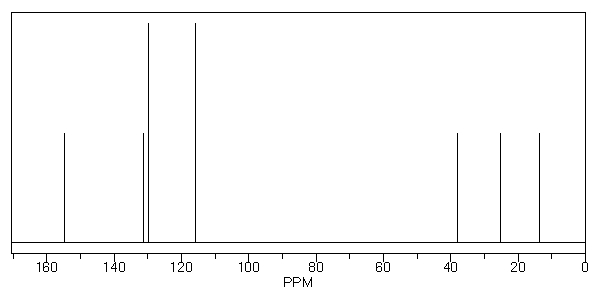
A compound with molecular formula C9H12O displays the following 1H NMR and 13C NMR spectra. Propose a structure for this compound. 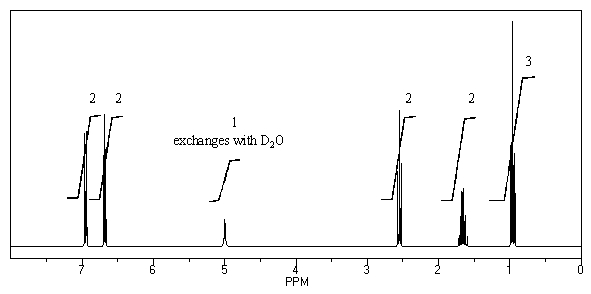
Free
(Essay)
5.0/5 (67)
(67) Correct Answer:Verified
Verified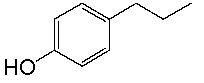
What is the common name for the following compound? 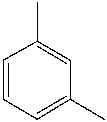
Free
(Short Answer)
4.8/5 (81)
(81) Correct Answer:Verified
Verifiedm-xylene
Using a Frost circle, draw the molecular orbital energy diagram for the tropylium cation and predict if it is aromatic. 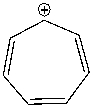
(Essay)
4.8/5 (81)
(81) Using a Frost circle, draw the molecular orbital energy diagram for the cyclopentadienyl anion and predict if it is aromatic. 
(Essay)
4.8/5 (97)
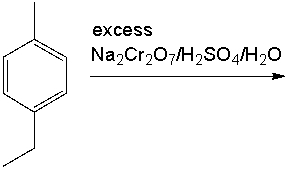
(97) 
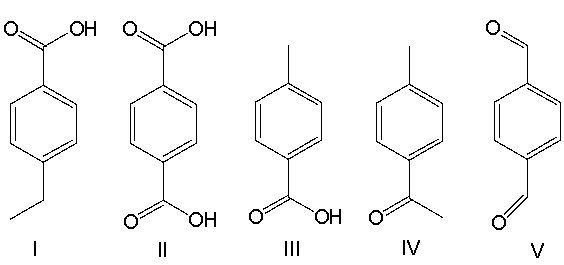
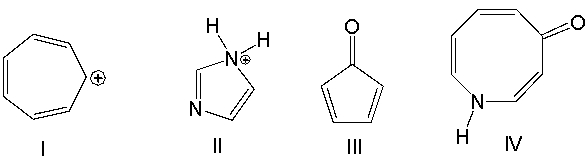
Using a Frost circle, draw the molecular orbital energy diagram for the cyclopropenyl anion and predict if it is aromatic. 
(Essay)
4.8/5 (86)
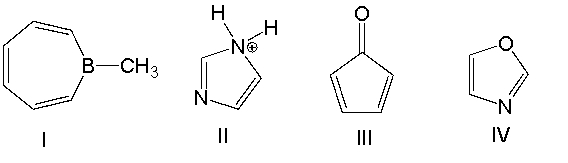
(86) 
Provide the reagents necessary to carry out the following conversion. 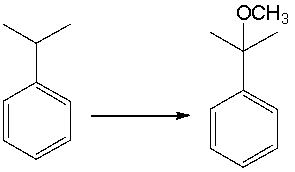
(Essay)
4.8/5 (75)
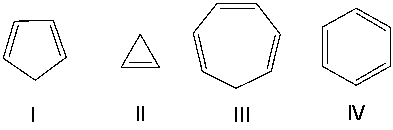
(75) 
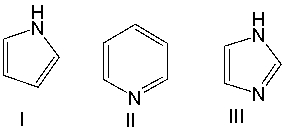
What is the main difference between an aromatic and antiaromatic compound?
(Multiple Choice)
4.7/5 (91)
(91) Provide the reagent(s) necessary to convert toluene to benzoic acid.
(Multiple Choice)
4.8/5 (78)
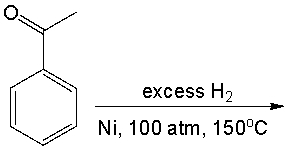
(78) 

Both pyridine and pyrrole are nitrogen containing aromatic heterocyclic compounds. When treated with HCl, only pyridine forms the hydrochloride salt, whereas pyrrole is unreactive. Provide an explanation for this observed reactivity. 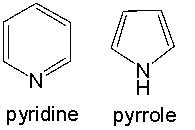
(Essay)
4.8/5 (62)
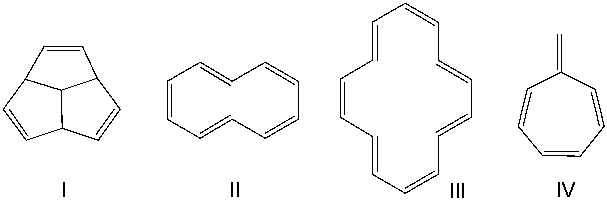
(62) 
Provide the structures of the intermediates and final product in the following reaction sequence. 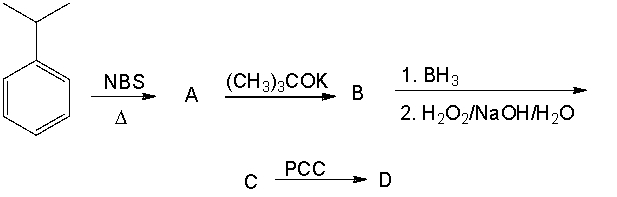
(Essay)
4.7/5 (90)
(90) 
Filters
- Essay(0)
- Multiple Choice(0)
- Short Answer(0)
- True False(0)
- Matching(0)