



 Chat with AI
Exam 21: Diseases of the Respiratory System


How was the great flu pandemic of 1918 different from other influenza epidemics? What is the difference between antigenic drift and antigenic shift? What virus do you believe the next deadly pandemic flu strain will come from?

 (66)
 Answered by Examlex AI Copilot
The great flu pandemic of 1918, also known as the Spanish flu, was different from other influenza epidemics in several ways. Firstly, it was much more severe and widespread, infecting an estimated one-third of the world's population and resulting in an estimated 50 million deaths. This was significantly higher than the mortality rates of other influenza epidemics. Additionally, the 1918 flu pandemic disproportionately affected young, healthy adults, whereas seasonal flu outbreaks typically impact the very young, the elderly, and individuals with weakened immune systems.
The difference between antigenic drift and antigenic shift lies in the way influenza viruses evolve. Antigenic drift refers to small, gradual changes in the virus's surface proteins (hemagglutinin and neuraminidase) over time, resulting in minor variations in the virus. This is why flu vaccines need to be updated regularly to keep up with these changes. On the other hand, antigenic shift occurs when two different influenza viruses infect the same host and exchange genetic material, leading to the emergence of a new strain of virus to which most people have little to no immunity. This can result in more severe pandemics.
As for the virus that may cause the next deadly pandemic flu strain, it is difficult to predict with certainty. Influenza viruses can originate from various sources, including birds and pigs. In recent years, there has been concern about avian influenza strains such as H5N1 and H7N9, as well as swine flu viruses like H1N1. However, ongoing surveillance and research are necessary to monitor the potential emergence of new pandemic flu strains and to develop strategies for prevention and control.
The paroxysmal stage of whooping cough is characterized by _____.
(73)  Verified
C
Prevention of pneumococcal pneumonia is difficult because:
(81) VerifiedA
If pathogens evade the defenses of the upper respiratory tract and enter the alveoli,_______ can protect the body from infection.
(85) Which of the following statements about prevention of whooping cough is false?
(89) Which of the following conditions is most likely to lead to pneumonia?
(85) Select the organism responsible for this respiratory tract disorder. 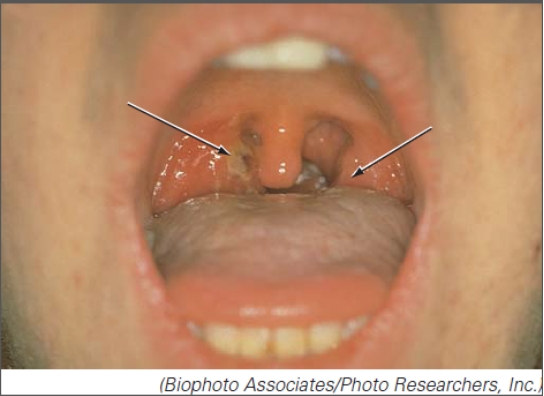
(68) A friend calls and says he thinks he has the flu,because he has a runny,stuffy nose and has been sneezing quite a bit.You tell him it sounds like a cold,not the flu. Compare and contrast four of the symptoms of the common cold and influenza for him.
(90) Which of the following statements about pneumonia is incorrect?
(85) 
Filters
- Essay(0)
- Multiple Choice(0)
- Short Answer(0)
- True False(0)
- Matching(0)