



 Chat with AI
Exam 19: Diseases of the Skin and Eyes; Wounds and Bites

Exam 1: Scope and History of Microbiology55 Questions
Exam 2: Fundamentals of Chemistry63 Questions
Exam 3: Microscopy and Staining56 Questions
Exam 4: Characteristics of Prokaryotic and Eukaryotic Cells63 Questions
Exam 5: Essential Concepts of Metabolism56 Questions
Exam 6: Growth and Culturing of Bacteria58 Questions
Exam 7: Microbial Genetics60 Questions
Exam 8: Gene Transfer and Genetic Engineering57 Questions
Exam 9: An Introduction to Taxonomy: the Bacteria58 Questions
Exam 10: Viruses56 Questions
Exam 11: Eukaryotic Microorganisms and Parasites58 Questions
Exam 12: Sterilization and Disinfection60 Questions
Exam 13: Antimicrobial Therapy56 Questions
Exam 14: Host-Microbe Relationships and Disease Processes55 Questions
Exam 15: Epidemiology and Nosocomial Infections55 Questions
Exam 16: Innate Host Defenses56 Questions
Exam 17: Immunology I: Basic Principles of Adaptive Immunity and Immunization56 Questions
Exam 18: Immunology Ii: Immunological Disorders and Tests60 Questions
Exam 19: Diseases of the Skin and Eyes; Wounds and Bites56 Questions
Exam 20: Urogenital and Sexually Transmitted Diseases57 Questions
Exam 21: Diseases of the Respiratory System58 Questions
Exam 22: Oral and Gastrointestinal Diseases57 Questions
Exam 23: Cardiovascular, lymphatic and Systemic Disease57 Questions
Exam 24: Diseases of the Nervous System56 Questions
Exam 25: Environmental Microbiology55 Questions
Exam 26: Applied Microbiology57 Questions
Select questions type


Measles (also known as rubeola)could be described by each of the following statements except:

Free
(Multiple Choice)
4.9/5  (78)
(78) Correct Answer: Verified
A
This structure secretes lacrimal fluid and carries away microbes. 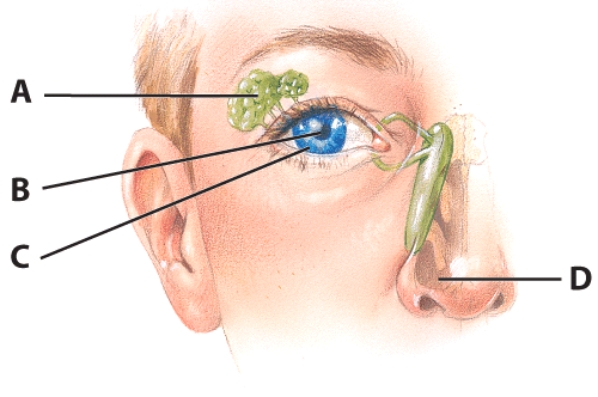
Free
(Multiple Choice)
4.8/5 (80)
(80) Correct Answer:Verified
VerifiedA
Which of the following conditions is associated with the erythrogenic toxin of Streptococcus pyogenes?
(Multiple Choice)
4.9/5 (91)
(91) Gas gangrene,with gas production leading to tissue necrosis,is due to:
(Multiple Choice)
4.8/5 (74)
(74) Cells of this layer block the penetration of microbes and secrete mucus. 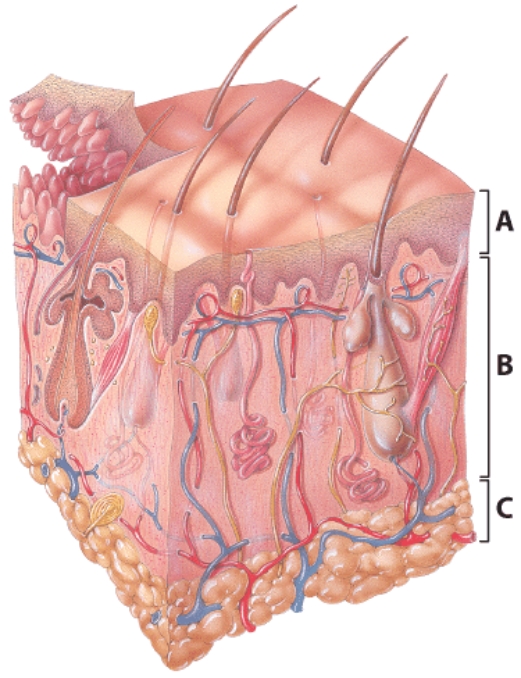
(Multiple Choice)
4.7/5 (69)
(69) All of the following are reasons why the eyes have no normal microflora except:
(Multiple Choice)
4.8/5 (83)
(83) Candida albicans is characterized by all of the following except:
(Multiple Choice)
4.8/5 (86)
(86) Gas gangrene was historically thought of as a battlefield injury and thought to have played a role in determining the outcome of armed conflicts. Describe gas gangrene.What causes gas gangrene? Why is amputation so common? And what civilians are susceptible to the disease?
(Essay)
4.8/5 (71)
(71) The varicella-zoster virus is associated with all statements below except:
(Multiple Choice)
4.8/5 (85)
(85) Which of the following is not considered resident microflora of the skin?
(Multiple Choice)
4.8/5 (80)
(80) Onchocerciasis and loaiasis,both parasitic eye infections,are very difficult to control because:
(Multiple Choice)
4.7/5 (68)
(68) Bacterial infections of the eye include all of the following except:
(Multiple Choice)
4.9/5 (86)
(86) 
Filters
- Essay(0)
- Multiple Choice(0)
- Short Answer(0)
- True False(0)
- Matching(0)