



 Chat with AI
Exam 23: Immunity

Exam 1: Invitation to Biology76 Questions
Exam 2: Molecules of Life79 Questions
Exam 3: Cell Structure74 Questions
Exam 4: Energy and Metabolism80 Questions
Exam 5: Photosynthesis79 Questions
Exam 6: Releasing Chemical Energy69 Questions
Exam 7: Dna Structure and Function76 Questions
Exam 8: Gene Expression and Control86 Questions
Exam 9: How Cells Reproduce72 Questions
Exam 10: Patterns of Inheritance69 Questions
Exam 11: Biotechnology75 Questions
Exam 12: Evidence of Evolution72 Questions
Exam 13: Processes of Evolution74 Questions
Exam 14: Prokaryotes, Protists, and Viruses72 Questions
Exam 15: Plants and Fungi74 Questions
Exam 16: Animal Evolution84 Questions
Exam 17: Population Ecology72 Questions
Exam 18: Communities and Ecosystems77 Questions
Exam 19: The Biosphere and Human Effects73 Questions
Exam 20: Animal Tissues and Organs74 Questions
Exam 21: How Animals Move74 Questions
Exam 22: Circulation and Respiration74 Questions
Exam 23: Immunity75 Questions
Exam 24: Digestion and Excretion74 Questions
Exam 25: Neural Control and the Senses74 Questions
Exam 26: Endocrine Control73 Questions
Exam 27: Animal Reproduction and Development89 Questions
Exam 28: Plant Form and Function74 Questions
Exam 29: Life Cycles of Flowering Plants76 Questions
Select questions type


Acquired immune deficiency syndrome (AIDS) is characterized by ____.
(Multiple Choice)
4.8/5  (80)
(80) After an active cytotoxic T cell binds to an ailing cell, it releases toxins that ____.
(Multiple Choice)
4.8/5 (88)
(88) Cells of multicellular eukaryotes have receptors that can recognize approximately ____ pathogen-associated molecular patterns (PAMPs).
(Multiple Choice)
4.9/5 (76)
(76) Effector B cells secrete antibodies that are ____ those produced by the original B cell from which they arose, which then ____.
(Multiple Choice)
4.9/5 (64)
(64) Match the white blood cell type with the proper description.
Correct Answer: Verified
Premises:
Responses:
(Matching)
4.9/5 (85)
(85) 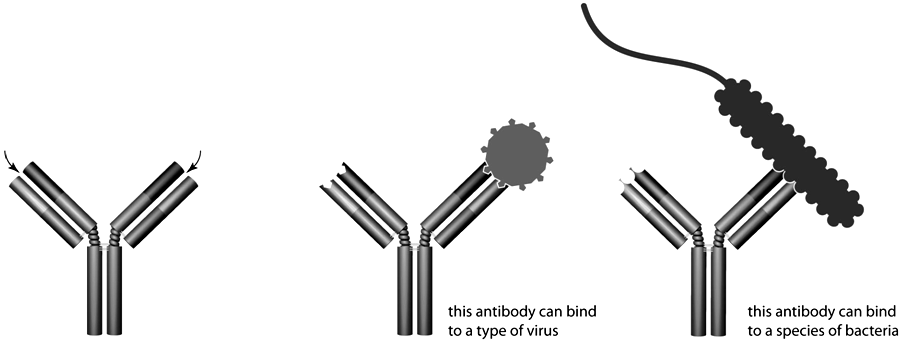
In adaptive immune responses, which cell type is capable of acting as an antigen-presenting cell?
(Multiple Choice)
4.8/5 (90)
(90) When macrophages bind antigens, they secrete ____ to attract more phagocytic cells.
(Multiple Choice)
4.8/5 (67)
(67) If the innate immune response is not effective in neutralizing a threat, what form of immune response occurs next?
(Multiple Choice)
4.9/5 (75)
(75) 
Filters
- Essay(0)
- Multiple Choice(0)
- Short Answer(0)
- True False(0)
- Matching(0)