



 Chat with AI
Exam 10: Nutrition, Fitness, and Physical Activity

Exam 1: Nutrition: Everyday Choices83 Questions
Exam 2: Guidelines for a Healthy Diet89 Questions
Exam 3: Digestion: From Meals to Molecules79 Questions
Exam 4: Carbohydrates: Sugars, Starches, and Fibers80 Questions
Exam 5: Lipids: Fats, Phospholipids, and Sterols124 Questions
Exam 6: Proteins and Amino Acids81 Questions
Exam 7: Vitamins98 Questions
Exam 8: Water and Minerals95 Questions
Exam 9: Energy Balance and Weight Management81 Questions
Exam 10: Nutrition, Fitness, and Physical Activity84 Questions
Exam 11: Nutrition During Pregnancy and Infancy93 Questions
Exam 12: Nutrition From 1 to 10070 Questions
Exam 13: How Safe Is Our Food Supply85 Questions
Exam 14: Feeding the World61 Questions
Select questions type


Aerobic metabolism can use glucose and fat, but not protein, to generate energy.
(True/False)
5.0/5  (75)
(75) If you do not rest enough between exercise sessions, which of the following statements is correct?
(Multiple Choice)
4.8/5 (72)
(72) As compared to non-athletes, competitive athletes participating in strength sports may require extra protein.
(True/False)
4.9/5 (93)
(93) This diagram is an overview of the frequency of types of activities that are recommended to include in a fitness program. Josh is a 20 year old college student, who is interested in beginning a fitness program. For each section in this graph, provide an overview of the goal for each section and the types of activities that Josh can do to meet each goal.
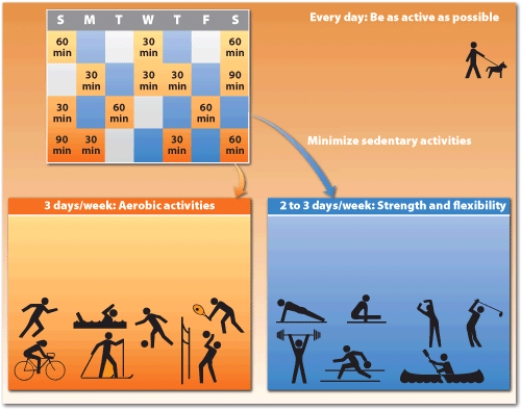
(Not Answered)
This question doesn't have any answer yet
Of the following athletes, who is least likely to benefit from creatine supplements?
(Multiple Choice)
4.8/5 (73)
(73) Explain the interrelatedness of three points of the Female Athlete Triad.
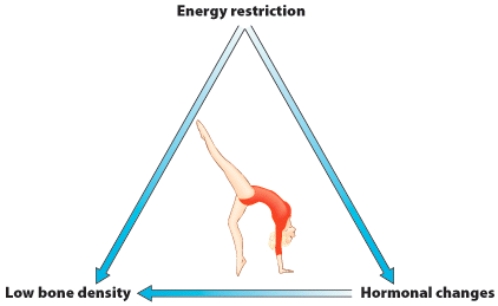
(Not Answered)
This question doesn't have any answer yet
Why is increasing the number of red blood cells an advantageous physiological change that occurs with aerobic training?
(Multiple Choice)
4.8/5 (89)
(89) Hyponatremia is a concern of marathon runners which can be caused by
(Multiple Choice)
4.9/5 (71)
(71) Aerobic exercise is considered to be at an intensity of _____ % of maximum heart rate.
(Multiple Choice)
4.9/5 (84)
(84) To burn the most body fat possible during an exercise session, one should work in the "fat-burning zone".
(True/False)
4.8/5 (78)
(78) Which of the following statements regarding ATP production is FALSE?
(Multiple Choice)
4.8/5 (70)
(70) The major differences between the nutritional needs of a serious athlete and those of a causal exerciser are the amount of _____ required.
(Multiple Choice)
4.9/5 (88)
(88) Which of the following body systems is not strengthened by aerobic exercise?
(Multiple Choice)
4.7/5 (67)
(67) Based on this visual, which of the following statements about metabolism is FALSE? 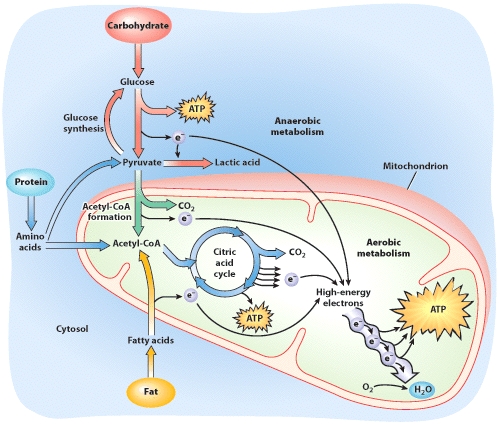
(Multiple Choice)
4.9/5 (75)
(75) Aerobic training _____the size and _____ the number of mitochondria in cells.
(Multiple Choice)
4.9/5 (75)
(75) Explain how someone who uses energy drinks for athletic performance could be at a higher risk for dehydration.
(Essay)
4.9/5 (68)
(68) Adam has been push mowing his yard on a very hot and humid day for almost 90 minutes now. He is feeling faint and disoriented and is sweating profusely. When he checked his pulse, he noticed that it was weak but rapid. Based on this scenario, Adam is most likely experiencing which of the following?
(Multiple Choice)
4.9/5 (86)
(86) Athletes who restrict their intake in order to maintain a low body weight may be at risk for micronutrient deficiencies.
(True/False)
4.8/5 (76)
(76) Physical performance is improved by consuming a very low fat diet (less than 10% of calories) for endurance athletes (marathon runners).
(True/False)
4.9/5 (72)
(72) 
Filters
- Essay(0)
- Multiple Choice(0)
- Short Answer(0)
- True False(0)
- Matching(0)