



 Chat with AI
Exam 22: Nutrition and Energy for Life

Exam 1: Matter, Measurements, and Calculations101 Questions
Exam 2: Atoms and Molecules96 Questions
Exam 3: Electronic Structure and the Periodic Law91 Questions
Exam 4: Forces Between Particles94 Questions
Exam 5: Chemical Reactions95 Questions
Exam 6: The States of Matter95 Questions
Exam 7: Solutions and Colloids98 Questions
Exam 8: Reaction Rates and Equilibrium92 Questions
Exam 9: Acids, Bases, and Salts92 Questions
Exam 10: Radioactivity and Nuclear Processes93 Questions
Exam 11: Organic Compounds: Alkanes92 Questions
Exam 12: Unsaturated Hydrocarbons94 Questions
Exam 13: Alcohols, Phenols, and Ethers92 Questions
Exam 14: Aldehydes and Ketones93 Questions
Exam 15: Carboxylic Acids and Esters94 Questions
Exam 16: Amines and Amides92 Questions
Exam 17: Carbohydrates93 Questions
Exam 18: Lipids96 Questions
Exam 19: Proteins97 Questions
Exam 20: Enzymes94 Questions
Exam 21: Nucleic Acids and Protein Synthesis98 Questions
Exam 22: Nutrition and Energy for Life94 Questions
Exam 23: Carbohydrate Metabolism95 Questions
Exam 24: Lipid and Amino Acid Metabolism99 Questions
Exam 25: Body Fluids91 Questions
Select questions type


Which of the following macronutrients is required for the production of new tissues for the growth of the body, the maintenance and repair of cells, and for the production of enzymes and other important nitrogen-containing compounds of the body?
(Multiple Choice)
4.8/5  (88)
(88) Which of the following terms is the legal definition of a food that has less than 40 dietary calories per serving?
(Multiple Choice)
4.9/5 (85)
(85) Complementary protein food combinations are especially important to individuals who are following a
(Multiple Choice)
4.9/5 (78)
(78) Which of the following uses of minerals in the body is consistent with the fact that trace minerals are required in very small quantities?
(Multiple Choice)
4.9/5 (81)
(81) What units are used for protein, vitamins and minerals on food labels?
(Multiple Choice)
4.8/5 (81)
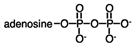
(81) 
The function of the citric acid cycle is to build up the stores of energy in a form that living things can use.
(True/False)
5.0/5 (74)
(74) Which of the following are important contributions made by dietary lipids?
(Multiple Choice)
4.9/5 (62)
(62) Which of the following high energy hydrolysis reactions that occur in cells produce the most energy, has the largest change in Gibbs free energy when measured at body conditions ( −Δ G0')?
(Multiple Choice)
4.8/5 (86)
(86) Which of the following contains the greatest amount of energy that could be used by a biological system?
(Multiple Choice)
4.8/5 (74)
(74) Which of the following is a good source of unsaturated fatty acids?
(Multiple Choice)
4.7/5 (74)
(74) Most B vitamins cannot be stored by the human body. One, however, can be stored in the liver. This vitamin is _____.
(Multiple Choice)
4.8/5 (77)
(77) Which of the following is true about an incomplete protein.
(Multiple Choice)
4.8/5 (87)
(87) In which stage of extraction of energy from food is ATP formed?
(Multiple Choice)
4.9/5 (79)
(79) While the average U.S. diet is higher than recommended in total fats, this can be compensated for by increasing portions of both protein and carbohydrates, resulting in a healthy diet.
(True/False)
4.8/5 (78)
(78) Which of the following vitamins serve as part of the coenzyme FAD?
(Multiple Choice)
4.8/5 (78)
(78) 
Filters
- Essay(0)
- Multiple Choice(0)
- Short Answer(0)
- True False(0)
- Matching(0)