



 Chat with AI
Exam 16: The Digestive System

Exam 1: What Is Life55 Questions
Exam 2: Where Do We Come From and Where Do We Fit54 Questions
Exam 3: Everyday Chemistry of Life67 Questions
Exam 4: Cells: Organization and Communication65 Questions
Exam 5: Tissues54 Questions
Exam 6: The Skeletomuscular System107 Questions
Exam 7: The Nervous System78 Questions
Exam 8: The Special Senses53 Questions
Exam 9: Immunity and the Lymphatic System72 Questions
Exam 10: Infectious Disease and Epidemiology55 Questions
Exam 11: The Human Microbiome52 Questions
Exam 12: Cancer59 Questions
Exam 13: The Cardiovascular System63 Questions
Exam 14: The Respiratory System: Movement of Air63 Questions
Exam 15: Nutrition: You Are What You Eat53 Questions
Exam 16: The Digestive System55 Questions
Exam 17: The Urinary System56 Questions
Exam 18: The Endocrine System and Development54 Questions
Exam 19: The Reproductive Systems: Maintaining the Species58 Questions
Exam 20: Pregnancy: Development From Conception to Newborn58 Questions
Exam 21: Inheritance, Genetics, and Molecular Biology54 Questions
Select questions type


The hepatic portal system is composed of blood vessels that bring _________.

Free
(Multiple Choice)
4.7/5  (84)
(84) Correct Answer: Verified
A
Most digestion and absorption occurs in the:
Free
(Multiple Choice)
4.9/5 (82)
(82) Correct Answer:Verified
VerifiedD
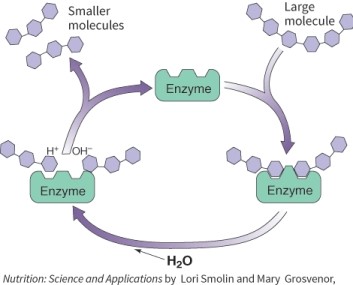
If we don't eat, we can break down glycogen and convert fats and proteins into glucose to maintain blood sugar levels.
(True/False)
4.8/5 (82)
(82) 
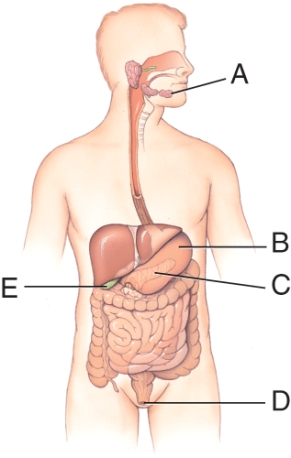
The intestinal phase of gastric digestion begins when chyme starts to leave the stomach through the pyloric sphincter.
(True/False)
4.7/5 (79)
(79) 
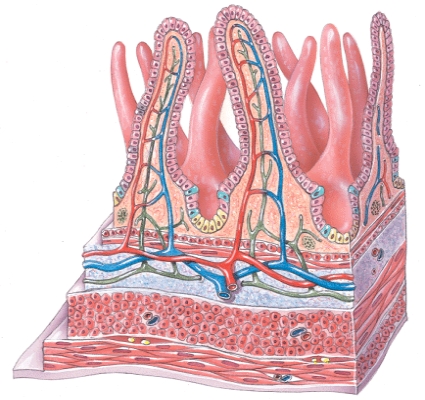
The first part of the small intestine is called the ______________.
(Short Answer)
4.8/5 (67)
(67) 
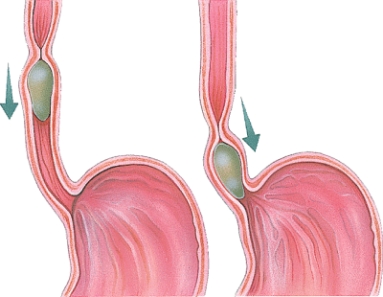
What is the purpose of the acidic conditions of the stomach?
(Multiple Choice)
4.8/5 (75)
(75) 
Filters
- Essay(0)
- Multiple Choice(0)
- Short Answer(0)
- True False(0)
- Matching(0)