Passage Health Psychologists Interested in Studying the Influence of Positive and and Negative
Multiple Choice
Passage
Health psychologists interested in studying the influence of positive and negative thinking on weight loss conducted a study on 120 obese adults attempting to lose weight. Participants indicated on a scale of 1 to 7 how successful they thought they would be at losing weight (1 = "not successful" and 7 = "very successful") and how much control they believed they had over their success (1 = "no control" and 7 = "complete control") , recorded as expectation of success scores and control of success scores, respectively.Participants were then randomly divided into three groups and asked to complete a 15-minute guided mental exercise twice a day for three weeks. Participants in the fantasy/reality contrast condition were instructed to reflect on two positive aspects of a fantasized weight loss, such as attaining better health and more energy, and two negative aspects of reality that impede weight loss, such as lack of discipline and desire to eat unhealthy foods. Participants in the positive fantasy condition were asked to reflect on four positive aspects of weight loss, and participants in the negative reality condition were asked to reflect on four factors that impede weight loss.At the end of this three-week period, participants began a three-month diet and exercise regimen involving caloric restriction to 1,500 calories per day as well as regular participation in aerobic exercise and weight training. Researchers recorded weekly weights of participants and surveyed participants regarding adherence to proactive weight loss strategies. The results are shown by group in Figures 1 and 2.
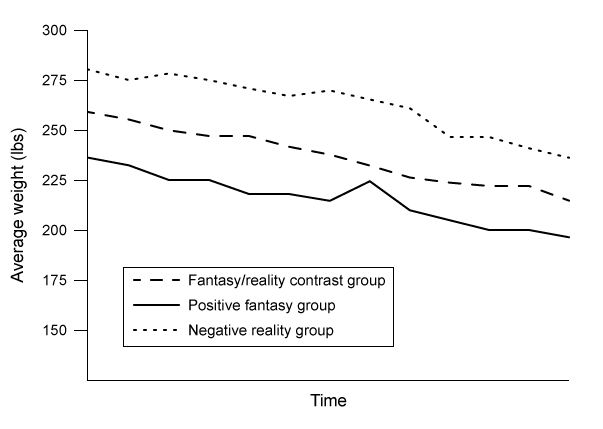 Figure 1 Average weight recorded for each group during three-month follow-up
 Figure 2 Initial expectation of success score versus average weight loss
-Which of the following proactive weight loss strategies is most consistent with drive-reduction theory?
A) Keeping a daily food journal to record all calories consumed
B) Using new clothes as a weekly reward for weight loss
C) Engaging in cardiovascular and strength-training exercises
D) Eating food more slowly and mindfully, and stopping when full
Correct Answer:

Verified
Correct Answer:
Verified
Q28: Passage<br>A common misconception in medicine is that
Q29: Passage<br>Research suggests that individuals with depression experience
Q30: Passage<br>Psychotic disorders are characterized by a loss
Q31: Passage<br>Trait theorists believe that all people have
Q32: Passage<br>Research suggests that individuals with depression experience
Q34: Researchers asked 100 Americans to describe their
Q35: Passage<br>Researchers conducted a pair of studies to
Q36: Passage<br>Lucid dreaming occurs when a person becomes
Q37: Experts recently classified severe premenstrual symptoms with
Q38: Passage<br>Text messaging while driving increases the risk