



 Chat with AI
Exam 11: Volcanoes,deformation,and Earthquakes

Exam 1: The Nature of Physical Geography84 Questions
Exam 2: Energy and Matter in the Atmosphere81 Questions
Exam 3: Atmospheric Motion81 Questions
Exam 4: Atmospheric Moisture85 Questions
Exam 5: Weather Systems and Severe Weather83 Questions
Exam 6: Atmosphere-Ocean-Cryosphere Interactions93 Questions
Exam 7: Climates Around the World82 Questions
Exam 8: Water Resources83 Questions
Exam 9: Understanding Landscapes150 Questions
Exam 10: Plate Tectonics and Regional Features137 Questions
Exam 11: Volcanoes,deformation,and Earthquakes218 Questions
Exam 12: Weathering and Mass Wasting81 Questions
Exam 13: Streams and Flooding98 Questions
Exam 14: Glaciers and Glacial Landforms75 Questions
Exam 15: Coasts and Changing Sea Levels80 Questions
Exam 16: Soils90 Questions
Exam 17: Ecosystems and Biogeochemical Cycles90 Questions
Exam 18: Biomes85 Questions
Select questions type


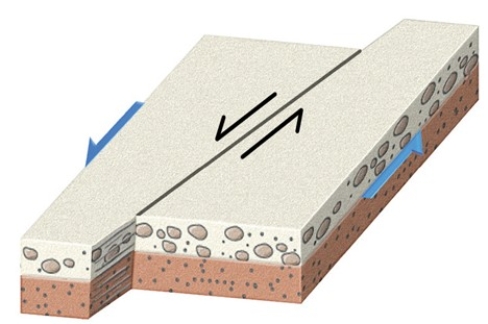
If a rock is subjected to differential stress,then it means that
(Multiple Choice)
4.9/5  (80)
(80) 
Which of the following can cause extensive damage well after the ground shaking associated with an earthquake stops?
(Multiple Choice)
4.8/5 (79)
(79) Huge circular depressions from which volcanoes erupt are called
(Multiple Choice)
4.9/5 (83)
(83) When fluid lava erupts onto the surface,it typically produces
(Multiple Choice)
4.8/5 (72)
(72) The main hazard of an eruption that forms a large caldera is
(Multiple Choice)
4.9/5 (84)
(84) 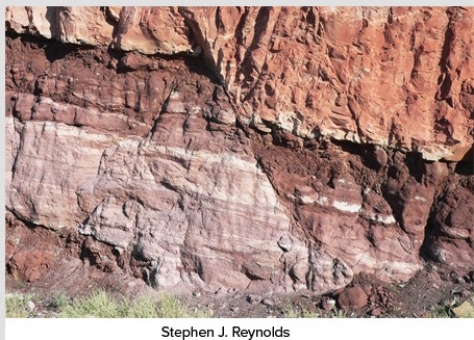
Which of the following factors makes a site near a volcano relatively more dangerous?
(Multiple Choice)
4.9/5 (80)
(80) 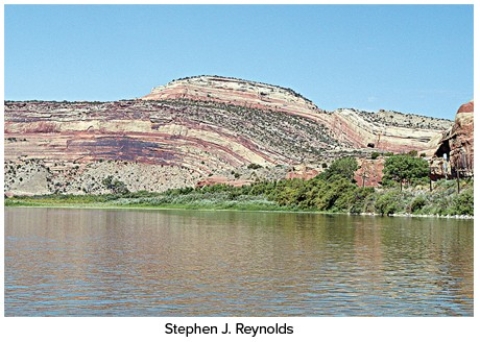
Fractures that are simple cracks where the rock has pulled apart by a small amount are
(Multiple Choice)
4.9/5 (86)
(86) 
If an earthquake occurred near the oceanic trench in this figure,which one of the following hazards is likely to threaten the town of Mesaview? 
(Multiple Choice)
4.9/5 (88)
(88) 

Filters
- Essay(0)
- Multiple Choice(0)
- Short Answer(0)
- True False(0)
- Matching(0)