



 Chat with AI
Exam 16: Climate Changes: Past and Future

Exam 1: Energy and Mass111 Questions
Exam 2: Solar Radiation and the Seasons108 Questions
Exam 3: Energy Balance and Temperature104 Questions
Exam 4: Atmospheric Pressure and Wind108 Questions
Exam 5: Atmospheric Moisture111 Questions
Exam 6: Cloud Development and Forms107 Questions
Exam 7: Precipitation Processes114 Questions
Exam 8: Atmospheric Circulation and Pressure Distributions107 Questions
Exam 9: Air Masses and Fronts116 Questions
Exam 10: Midlatitude Cyclones119 Questions
Exam 11: Lightning, thunder, and Tornadoes116 Questions
Exam 12: Tropical Storms and Hurricanes116 Questions
Exam 13: Weather Forecasting and Analysis121 Questions
Exam 14: Human Effects on the Atmosphere116 Questions
Exam 15: Earths Climates117 Questions
Exam 16: Climate Changes: Past and Future117 Questions
Exam 17: Atmospheric Optics Online Only in Masteringmeteorology62 Questions
Select questions type


Which of the following coincided with the Viking settlement of Greenland?
(Multiple Choice)
4.7/5  (82)
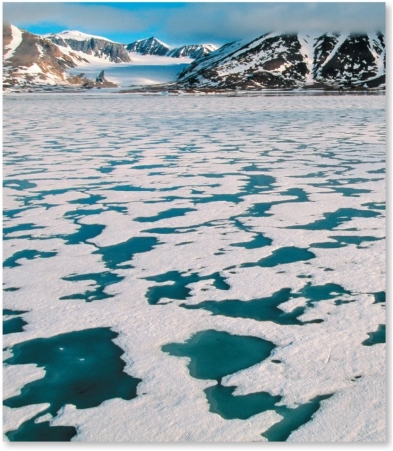
(82) 
Solar scientists determine that the number of sunspots is increasing.Describe both the short-term and the long-term impact on solar radiation.
(Essay)
4.8/5 (83)
(83) If a new range of high mountains arose in western Europe along the coast of Spain through France and on to Denmark
(Multiple Choice)
4.9/5 (60)
(60) In a warmer climate,rising saturated air parcels are expected to
(Multiple Choice)
4.9/5 (98)
(98) An example of a climatic boundary condition change would be
(Multiple Choice)
4.9/5 (75)
(75) Some plants undergo accelerated growth and enhanced photosynthesis in an environment rich in carbon dioxide.This
(Multiple Choice)
4.8/5 (79)
(79) The exchange of carbon dioxide between the ocean and the atmosphere
(Multiple Choice)
4.9/5 (84)
(84) Which of he following are factors involved in climatic change?
(Multiple Choice)
4.9/5 (74)
(74) General circulation models ________ observed global temperatures.
(Multiple Choice)
4.9/5 (87)
(87) Melting permafrost is expected to release carbon dioxide into the air,promoting further warming.This is 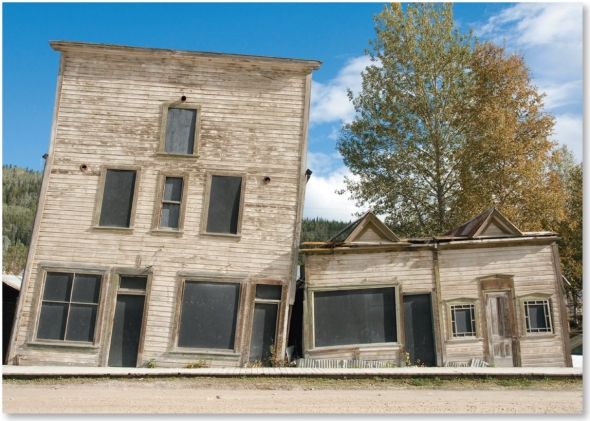
(Multiple Choice)
4.9/5 (84)
(84) 
The ________ led to decreases in agricultural productivity in Renaissance Europe.
(Short Answer)
4.9/5 (82)
(82) 
Filters
- Essay(0)
- Multiple Choice(0)
- Short Answer(0)
- True False(0)
- Matching(0)