



 Chat with AI
Exam 12: Sex: Evolutionary, Hormonal, and Neural Bases

Exam 1: Behavioral Neuroscience Scope and Outlook99 Questions
Exam 2: Functional Neuroanatomy: The Cells and Structures of the Nervous System143 Questions
Exam 3: Neurophysiology: The Generation, Transmission, and Integration of Neural Signals136 Questions
Exam 4: The Chemistry of Behavior: Neurotransmitters and Neuropharmacology130 Questions
Exam 5: Hormones and the Brain130 Questions
Exam 6: Evolution of the Brain and Behavior125 Questions
Exam 7: Life-Span Development of the Brain and Behavior127 Questions
Exam 8: General Principles of Sensory Processing, Touch, and Pain127 Questions
Exam 9: Hearing, Balance, Taste, and Smell125 Questions
Exam 10: Vision: From Eye to Brain124 Questions
Exam 11: Motor Control and Plasticity132 Questions
Exam 12: Sex: Evolutionary, Hormonal, and Neural Bases139 Questions
Exam 13: Homeostasis: Active Regulation of the Internal Environment126 Questions
Exam 14: Biological Rhythms, Sleep, and Dreaming138 Questions
Exam 15: Emotions, Aggression, and Stress136 Questions
Exam 16: Psychopathology: Biological Basis of Behavioral Disorders127 Questions
Exam 17: Learning and Memory129 Questions
Exam 18: Attention and Higher Cognition127 Questions
Exam 19: Language and Lateralization127 Questions
Select questions type


Discuss the events associated with the distinct phases of sexual behavior using the behavior of the rat as the primary example but also highlighting diversity in sexual behavior as appropriate.
(Essay)
4.8/5  (81)
(81) Which of the following does not develop from either the genital tubercle or genital epithelium?
(Multiple Choice)
4.9/5 (81)
(81) The effects of gonadal steroids activate behavior such that the behavior
(Multiple Choice)
4.8/5 (87)
(87) The process by which testosterone is converted to estradiol is
(Multiple Choice)
4.9/5 (89)
(89) As a result of many correlative studies, scientists have concluded that with respect to the relative contributions of nature and nurture on sexual orientation in humans,
(Multiple Choice)
4.9/5 (81)
(81) The _______ of the pons exerts a steady inhibitory influence on spinal mechanisms of phallic erection.
(Short Answer)
4.8/5 (90)
(90) Explain the aromatization hypothesis and the support for this idea based on normal development and experimental manipulations.
(Essay)
4.8/5 (82)
(82) Describe four types of maternal behavior and the evidence that the hormones of pregnancy regulate them.
(Essay)
4.8/5 (84)
(84) The appearance of the sexually dimorphic nucleus in the spinal cord of the adult rat is different in males and females because
(Multiple Choice)
4.9/5 (78)
(78) Discuss, with examples, the advantages of viviparity and internal fertilization over oviparity and external fertilization.
(Essay)
4.9/5 (85)
(85) Of all the stages of reproductive and sexual behavior, _______ is required before other behaviors can occur.
(Short Answer)
4.9/5 (79)
(79) Which of the following individuals would be likely to have normal, functioning ovaries?
(Multiple Choice)
4.9/5 (90)
(90) Refer to the figure.
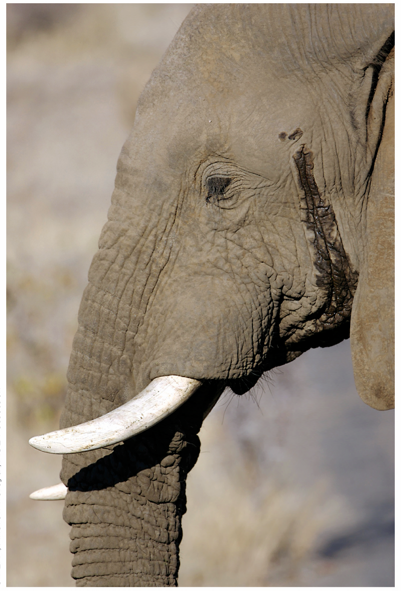 Which statement most accurately describes the animal in this figure?
 (Multiple Choice)
4.9/5 (63)
(63) The hormone _______ plays a role in goldfish ovulation but also appears to act as a pheromone.
(Multiple Choice)
4.7/5 (72)
(72) Which of the following is not used as a marker of fetal androgen exposure in women?
(Multiple Choice)
4.8/5 (82)
(82) 
Filters
- Essay(0)
- Multiple Choice(0)
- Short Answer(0)
- True False(0)
- Matching(0)