



 Chat with AI
Exam 15: The Respiratory System

Exam 1: An Introduction to Anatomy and Physiology90 Questions
Exam 2: The Chemical Level of Organization105 Questions
Exam 3: Cell Structure and Function126 Questions
Exam 4: The Tissue Level of Organization88 Questions
Exam 5: The Integumentary System103 Questions
Exam 6: The Skeletal System218 Questions
Exam 7: The Muscular System115 Questions
Exam 8: The Nervous System149 Questions
Exam 9: The General and Special Senses118 Questions
Exam 10: The Endocrine System100 Questions
Exam 11: The Cardiovascular System: Blood84 Questions
Exam 12: The Cardiovascular System: the Heart115 Questions
Exam 13: The Cardiovascular System: Blood Vessels and Circulation121 Questions
Exam 14: The Lymphatic System and Immunity105 Questions
Exam 15: The Respiratory System101 Questions
Exam 16: The Digestive System129 Questions
Exam 17: Metabolism and Energetics77 Questions
Exam 18: The Urinary System114 Questions
Exam 19: The Reproductive System118 Questions
Exam 20: Development and Inheritance97 Questions
Select questions type


Centers in which of the following adjust the respiratory rate and depth of respiration in response to sensory stimuli, emotional states, or speech patterns?
(Multiple Choice)
4.8/5  (81)
(81) Glands within the lamina propria of the respiratory mucosa secrete
(Multiple Choice)
4.9/5 (83)
(83) Which of the following factors would increase the amount of oxygen released by hemoglobin from the bloodstream?
(Multiple Choice)
4.7/5 (86)
(86) The paranasal sinuses, together with other structures of the upper respiratory tract,
(Multiple Choice)
4.8/5 (88)
(88) Which structure extends posteriorly from the hard palate and is inferior to the nasopharynx?
(Multiple Choice)
5.0/5 (75)
(75) 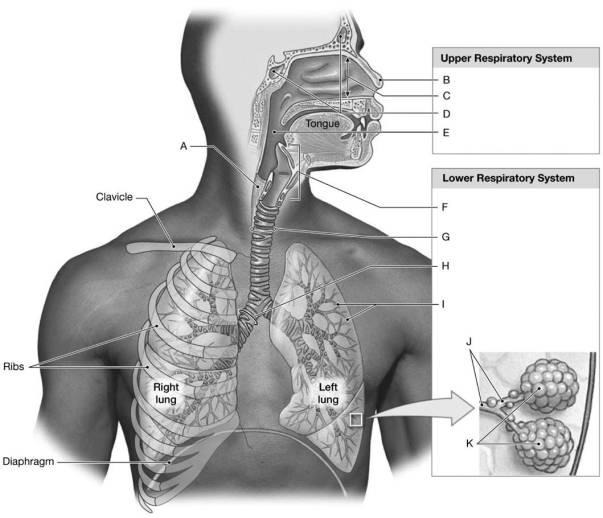 Figure 15-1 Components of the Respiratory System
Use Figure 15-1 to identify the labeled part.
-Label I represents which structure(s)?
Figure 15-1 Components of the Respiratory System
Use Figure 15-1 to identify the labeled part.
-Label I represents which structure(s)? (Multiple Choice)
4.9/5 (73)
(73) A newborn infant is found dead, abandoned by the road. Among the many questions that the police would like to have answered is whether the infant was born dead or alive. After an autopsy, the medical examiner tells them that the infant was dead at birth. How could the medical examiner determine this?
(Essay)
4.8/5 (83)
(83) Damage to the septal cells of the lungs would most likely result in
(Multiple Choice)
4.9/5 (76)
(76) Normal interstitial fluid has a PO2 40 mm Hg and PCO2 of 45 mm Hg. As a result,
(Multiple Choice)
4.9/5 (86)
(86) Forced breathing during exhalation involves contraction of the internal intercostal muscles and the
(Multiple Choice)
4.9/5 (65)
(65) Levels of which of the following are responsible for regulating respiratory activities under normal conditions?
(Multiple Choice)
4.9/5 (73)
(73) The volume of air that can be voluntarily exhaled at the end of a single resting respiratory cycle is known as
(Multiple Choice)
4.8/5 (75)
(75) Microorganisms removed from incoming air by the mucus of the respiratory tract are ultimately exposed to and destroyed by
(Multiple Choice)
5.0/5 (95)
(95) 
Filters
- Essay(0)
- Multiple Choice(0)
- Short Answer(0)
- True False(0)
- Matching(0)